Europe is pushing back on Washington’s chip war
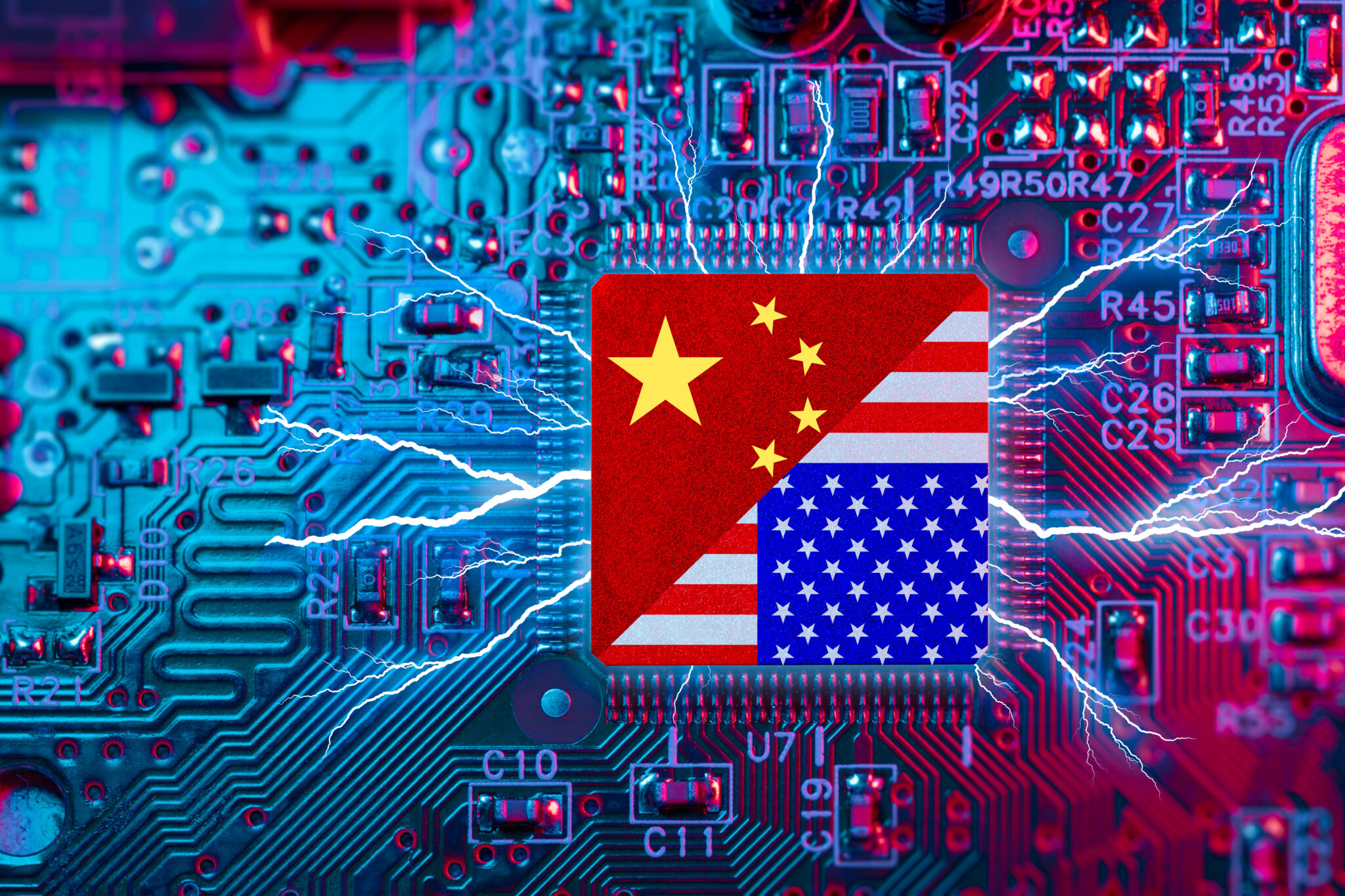
Europe is increasingly asserting its position in the global semiconductor industry, challenging the United States' growing influence and intervention in chip manufacturing. With the U.S. intensifying its efforts to restrict advanced chip technology exports to China, European nations and companies are expressing concerns over the potential economic and strategic consequences of such policies. This pushback highlights a broader debate about the balance between national security and economic interests in the high-stakes world of semiconductor manufacturing.
As ASML CEO Christophe Fouquet told TechCrunch in May, what China can currently buy are older-generation deep ultraviolet tools — gear first shipped about a decade ago — the same machines the MATCH Act would now put off limits. This situation underscores the tension between U.S. legislative actions and the realities of the global semiconductor supply chain. European stakeholders are wary of being sidelined in this increasingly polarized landscape, where the U.S. seeks to maintain its technological edge by imposing export restrictions.
The European Perspective on Chip Manufacturing
European countries and companies are keenly aware of the importance of maintaining a competitive edge in semiconductor manufacturing. The region has been investing heavily in its own semiconductor ecosystem, aiming to reduce reliance on foreign technologies and ensure long-term stability in the industry. This strategic move is not only about economic self-sufficiency but also about securing a place in the global tech race.
Key players in Europe, such as ASML, are at the forefront of this push. ASML, a Dutch company and a leader in photolithography equipment, has been pivotal in advancing semiconductor manufacturing processes. The company's position in the market is critical, as it supplies essential machinery to foundries around the world. With the MATCH Act potentially limiting access to these advanced tools, European stakeholders are concerned about the implications for both their domestic industry and global trade relations.
Balancing National Security and Economic Interests
The debate over semiconductor manufacturing has become a focal point in international relations, with national security concerns often overshadowing economic considerations. However, European nations are advocating for a more balanced approach that recognizes the importance of maintaining robust trade relationships while also addressing security concerns.
Europe's pushback against Washington's chip war is not merely a reaction to U.S. policies; it is a strategic effort to shape the future of the semiconductor industry on its own terms. By fostering innovation and investment within the region, European countries aim to solidify their position as key players in the global tech landscape. This includes supporting research and development, enhancing manufacturing capabilities, and promoting collaboration among European semiconductor companies.
In this evolving scenario, the semiconductor industry is at a crossroads, with the need for global cooperation and mutual understanding becoming more pronounced. As Europe continues to assert its influence in the semiconductor space, it is clear that the future of this critical industry will be shaped by the collective efforts of all stakeholders, not just those in Washington.