The Memory Chip Crunch is Paying Off for This US Company
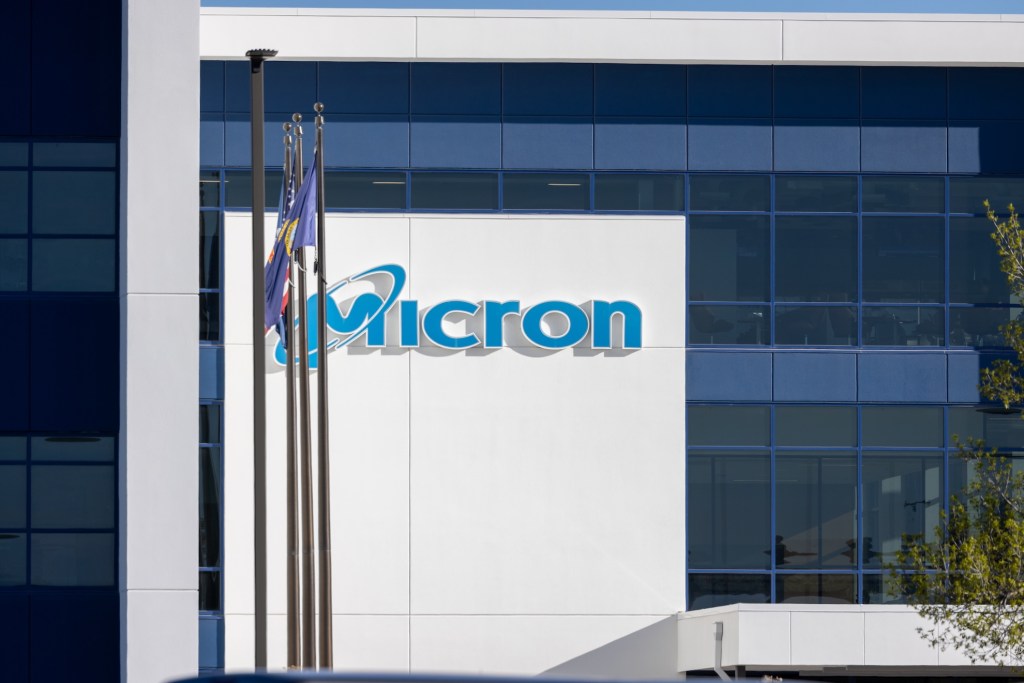
The global memory chip shortage, a byproduct of the AI and data-hungry economy, has created a windfall for Micron Technology, a U.S.-based semiconductor manufacturer. While consumers and tech giants grapple with inflated prices and limited availability, the Idaho-based firm is reaping the rewards of a market that’s been squeezed to the breaking point. As demand for memory chips surges, Micron has found itself in a prime position to capitalize on the crisis.
A Sudden Surge in Revenue and Valuation
Micron’s recent financial results underscore its newfound dominance in the memory chip market. In the third quarter of 2026, the company reported revenue of $41.45 billion, a staggering fourfold increase compared to the same period in 2025. Its net profit also jumped from $1.88 billion to $28.2 billion, a 1,452% surge that has sent its stock price skyrocketing. Shares closed at $1,048.51, a dramatic leap from the $83 range in early 2024, when its market cap was a mere $91 billion. Today, its valuation stands at $1.2 trillion, a testament to the demand for memory in the AI and cloud computing sectors.
Strategic Moves in a Tight Market
Micron’s rise coincides with a strategic push into high-margin segments of the market. The company recently inked a major deal to supply Anthropic, the AI startup behind the Claude language model, with both memory and storage chips. This partnership not only secures long-term demand but also positions Micron at the forefront of the AI hardware supply chain.
Micron’s involvement in Anthropic’s Series H funding round suggests a deeper alignment with the AI industry’s needs. The company also announced a positive outlook for the fourth quarter, projecting revenue between $49 billion and $51 billion. These figures reflect a broader trend: as AI models grow in complexity, so does their appetite for memory, creating a structural demand that outstrips production.
Industry-Wide Implications of the Chip Shortage
The memory chip shortage isn’t just a problem for Micron. It has triggered a ripple effect across the tech ecosystem, with companies like Apple and NVIDIA feeling the strain. Apple CEO Tim Cook recently warned that product price increases are now inevitable, citing the rising cost of components. For consumers, this means longer wait times and higher prices for everything from gaming consoles to laptops.
- Supply chain bottlenecks have made it difficult for manufacturers to source enough chips to meet demand.
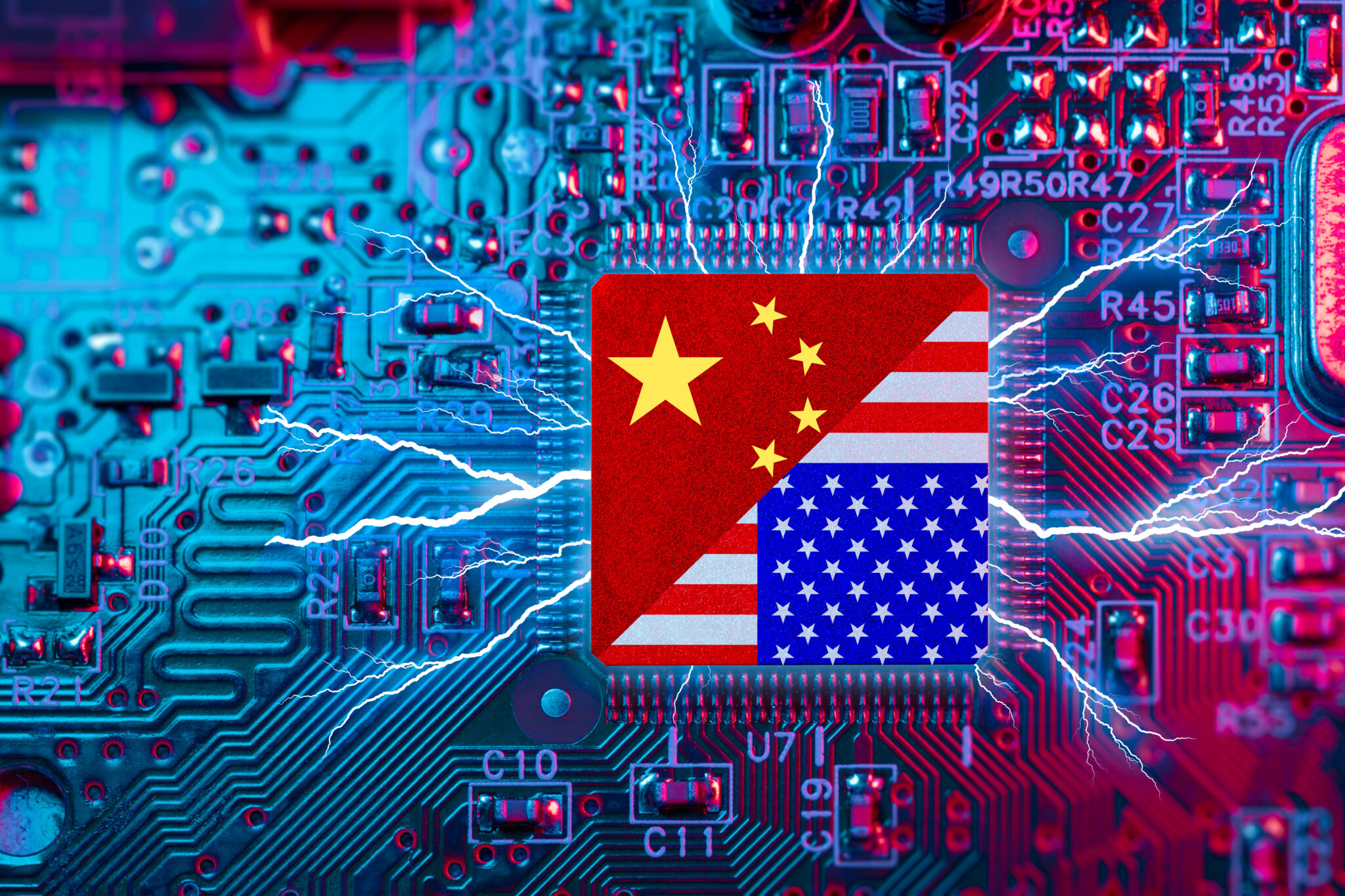
- Geopolitical tensions have exacerbated the situation, with trade restrictions and manufacturing constraints limiting global supply.
- The AI boom has only intensified the pressure, as models like GPT-5 and Claude 3 require vast amounts of memory to function.
The Future of Memory and Market Power
As the AI industry continues its meteoric rise, the demand for memory chips is expected to outpace supply for at least another two years. This has created an unusual scenario where companies like Micron are not just surviving but thriving. With its massive valuation and aggressive expansion into AI-related markets, Micron is emerging as a key player in shaping the future of compute infrastructure.
The memory chip crunch has exposed vulnerabilities in global semiconductor supply chains, but it has also created opportunities for firms that can scale production and innovate in memory technology. Micron’s success story is a stark reminder that in times of scarcity, those with the right resources and positioning can turn crisis into opportunity. As the race for AI supremacy continues, memory chips may become the new gold — and companies like Micron are the miners striking it rich.