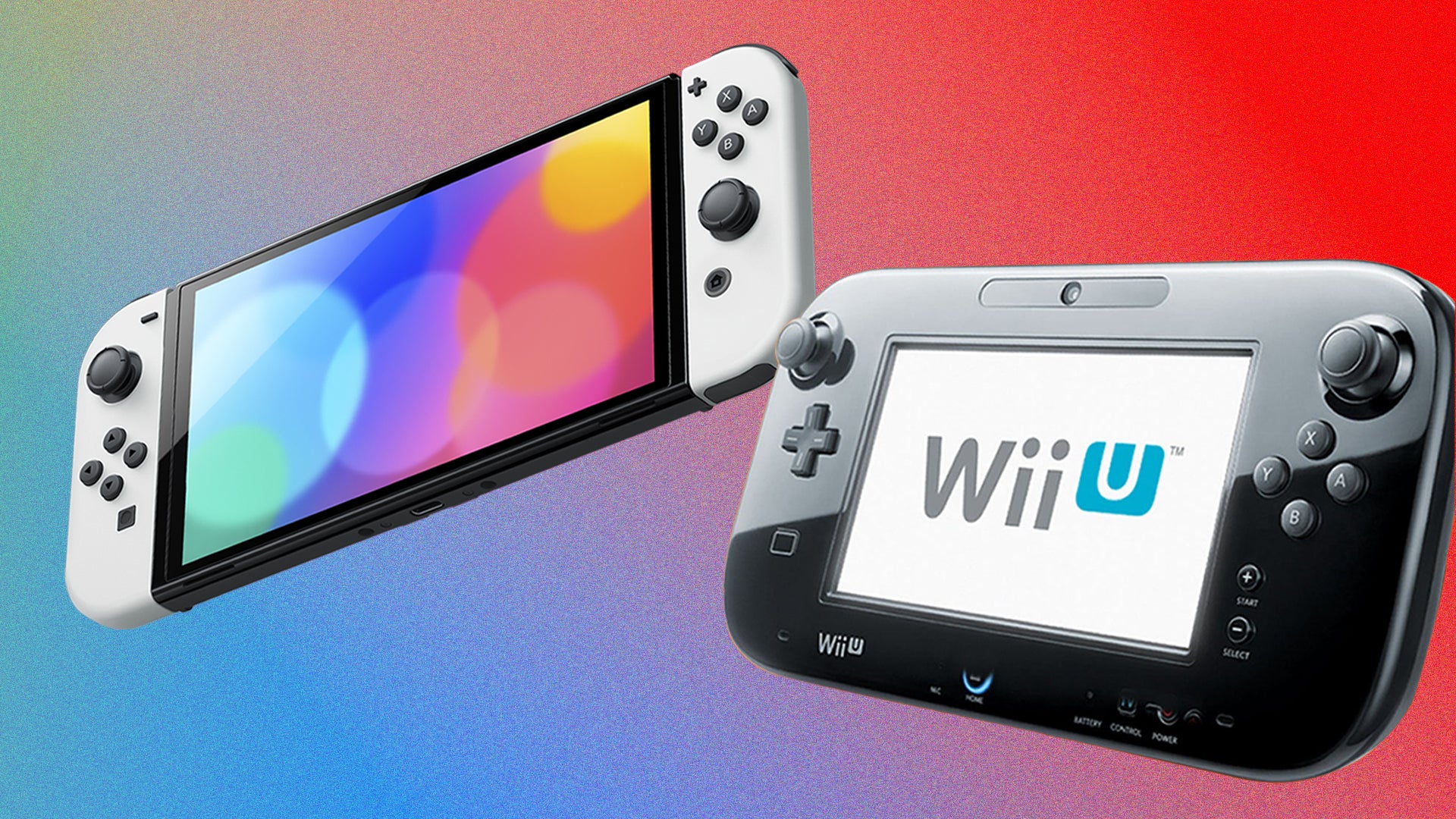
Former Nintendo of America President Reggie Fils-Aimé has provided a candid look into the struggles of the Wii U era, specifically attributing the Wii U failure to a lack of timely software and intense pressure from Sony and Microsoft.
Speaking during a recent Q&A at the NYU Game Center, Fils-Aimé revealed that while Nintendo initially saw success, the platform eventually found itself on "life support."
The Wii U Failure: Software Delays and Competition
According to Fils-Aimé, the primary issue was a disconnect between the hardware's potential and the availability of much-needed titles. While Nintendo had ambitious ideas for the "10-foot experience" (the TV) and the "10-inch experience" (the GamePad), the software pipeline couldn't keep pace with the competition.
He noted several key factors that contributed to the console's decline:
- Slow Software Release Cycles: Major franchises like Super Smash Bros., Mario Kart, and Splatoon were in development but did not arrive on the necessary timetable.
- Competitive Pressure: The rise of next-generation consoles from Xbox and PlayStation caused Nintendo's sales to stall after the first year.
- Software Misalignment: While Nintendo Land was intended to be the next Wii Sports, Fils-Aimé admitted there was an "itch" in the back of his mind that suggested the software wasn't quite hitting the mark.
To combat the downturn, Nintendo implemented several aggressive course correction strategies. This included killing off a less popular white SKU of the console to simplify retail offerings and leaning into digital titles from independent developers—a move that paved the way for the massive success of the Nintendo Switch.
Pivoting to Success with the Nintendo Switch
As the Wii U struggled, Nintendo also launched "micro legacy" consoles, such as the NES and SNES Classic editions, to maintain hardware sales volume during the holiday seasons. However, the true salvation for the company was already in development.
Fils-Aimé shared a poignant moment from March 2016, when a meeting with the late Nintendo President Satoru Iwata shifted from personal news—Iwata revealing his cancer had returned—to the critical launch planning for the Nintendo Switch. This meeting laid the groundwork for the pricing, software, and marketing strategy that would eventually revolutionize handheld gaming.
The transition from the Wii U to the Switch represents one of the greatest turnarounds in gaming history. While the Wii U ended its lifecycle with roughly 13.56 million units sold, the Nintendo Switch has reached staggering heights, recently surpassing 155.37 million units.