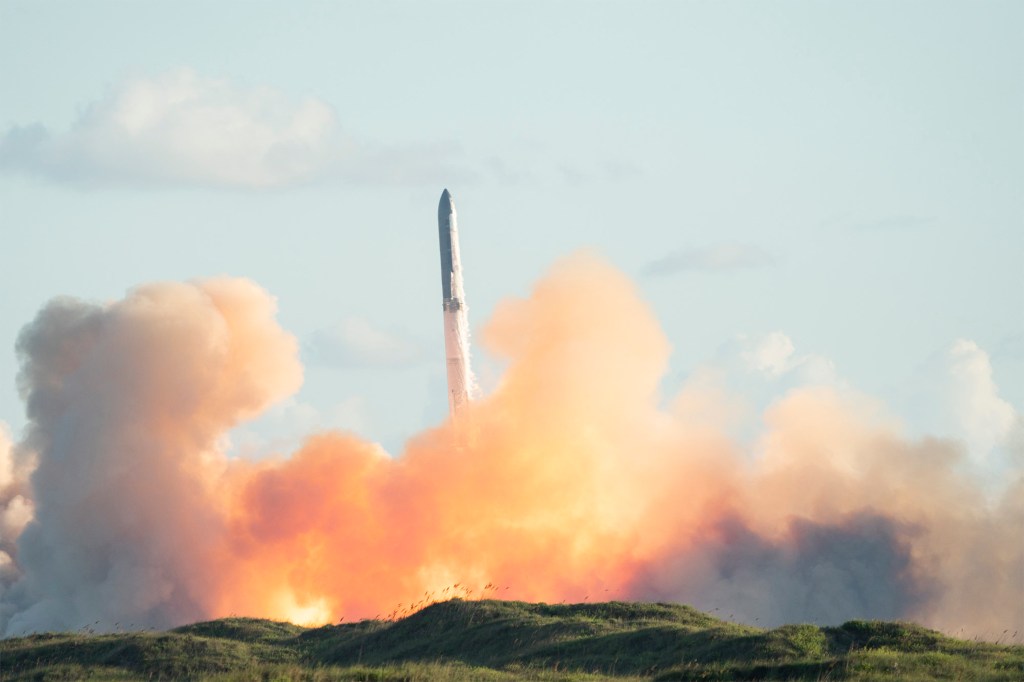
The FAA orders SpaceX to investigate Starship V3 booster failure following a recent suborbital test flight. This directive follows a string of earlier reviews into the Starship program and marks the first time the agency has issued such a command following an incident of this magnitude. The move signals a distinct shift toward greater regulatory oversight within the rapidly expanding commercial launch market. As SpaceX assembles engineering teams to dissect the event, industry analysts are actively debating its broader implications for future missions.
The FAA Orders SpaceX to Investigate Starship V3 Booster Failure
The FAA’s Office of Commercial Space Transportation (AST) was originally created to streamline launch approvals, but it has increasingly asserted its authority over safety protocols. Its current mandate now encompasses several critical areas:
- Strict regulatory compliance with the National Environmental Policy Act and the International Traffic in Arms Regulations
- Comprehensive safety oversight through detailed prelaunch reviews and post‑incident investigations
- Enforcement powers capable of suspending or denying launch licenses when standards are not met
This framework, initially designed to accelerate commercial launches, has been thoroughly tested by successive Starship failures. Following the notable incident in November 2023, the FAA closed its inquiry but maintained the ability to reopen it for future scrutiny. The latest directive underscores the agency’s clear willingness to step in whenever significant public safety concerns arise.
Mechanics Behind the V3 Booster Failure
The Starship V3 booster represents a heavily upgraded iteration of the Super Heavy rocket, which suffered a catastrophic structural failure mid‑flight during its seventh suborbital test. Witnesses observed a sudden loss of thrust followed by an abrupt descent that culminated in a fiery return to the launch complex. Initial telemetry data points to a ruptured propellant feed line that triggered a rapid pressure drop and subsequent engine shutdown.
Analyzing the Consequences
Internal reports from SpaceX suggest the malfunction was traced directly to a manufacturing defect within the composite casing of the booster’s first stage. The company is currently revisiting its quality control protocols and has temporarily halted V3 test launches while awaiting the FAA’s final findings. This event raises serious questions regarding the reliability of the new booster’s cryogenic systems and whether existing inspection procedures are sufficient, prompting why the FAA orders SpaceX to investigate Starship V3 booster failure.
SpaceX leadership has publicly emphasized a strong commitment to both safety and transparency throughout this process. CEO Elon Musk announced that the company will deliver all relevant data to the FAA, including flight‑control logs, component traceability records, and manufacturing schematics. A company spokesperson also noted that the investigation will closely review the Starship upper stage performance due to its tight integration with the booster.
Industry Ripple Effects and Future Outlook
Market analysts predict this directive could establish a lasting precedent for other commercial launch operators. Several major competitors, including Blue Origin and United Launch Alliance (ULA), have already initiated internal reviews of their own vehicle designs following comparable incidents. The broader industry may experience an uptick in pre‑launch safety audits alongside a possible tightening of certification standards. This momentum continues as the FAA orders SpaceX to investigate Starship V3 booster failure for its upcoming review cycle.
Looking ahead, the regulatory landscape for commercial spaceflight is poised to foster a more collaborative yet scrutinous partnership between developers and oversight bodies. While the FAA retains the right to halt launches that fail to meet safety benchmarks, it simultaneously provides a structured pathway for corrective action and certification renewal. The ultimate outcome of the Starship V3 investigation will likely dictate the pace of future missions, launch slot allocations, and design priorities for next‑generation rockets. In an industry where seconds and precision are paramount, a single malfunction can trigger procedural changes that ripple throughout the entire sector.