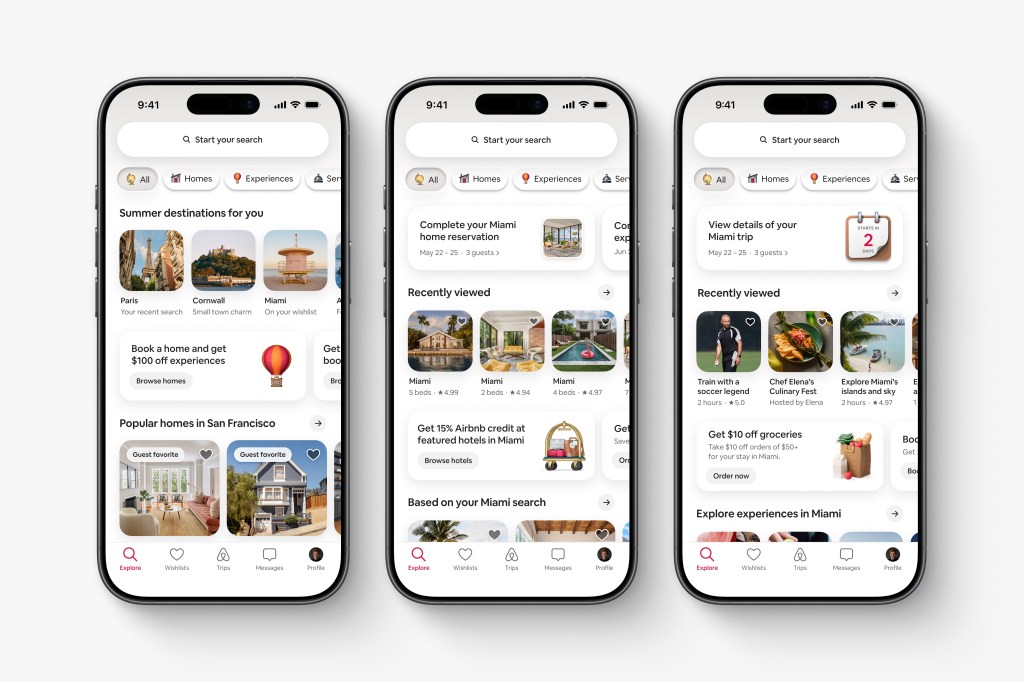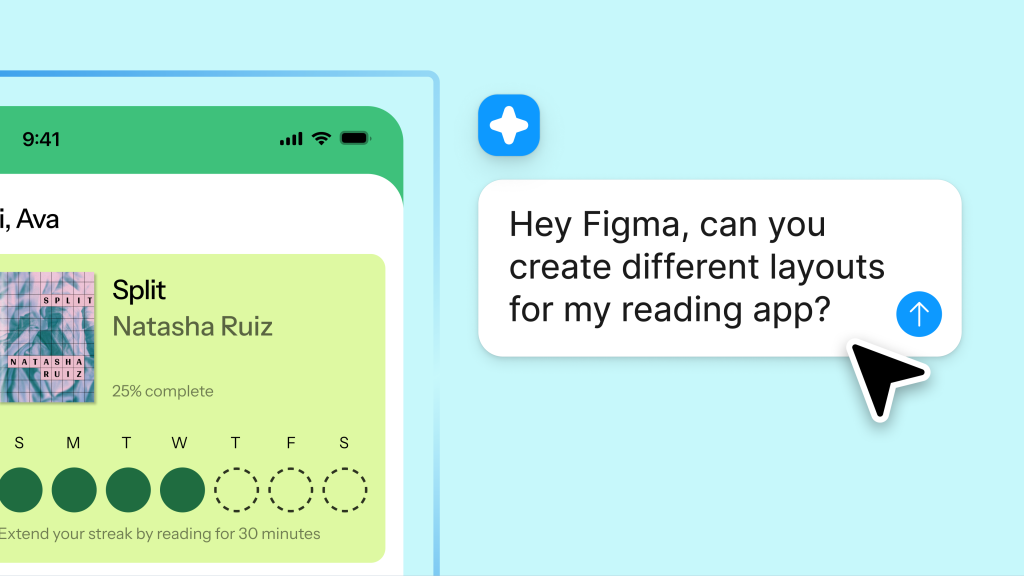
The integration of generative AI directly into the canvas represents a fundamental shift in digital product creation tooling. By allowing users to direct complex visual outputs using only natural language prompts, Figma adds an AI assistant to its collaborative canvas that fundamentally alters the workflow dynamics between design, development, and concept realization. This move to embed an agent capable of understanding design context marks a significant maturation point for professional collaborative platforms.
Embedding Intelligence into Collaborative Design Workflows
The new AI assistant moves beyond simple content replacement; it acts as a generative partner operating directly within the workspace. This capability allows teams to treat ideation less like a sequence of isolated handoffs and more like an iterative, multi-agent brainstorming session. Because the system is explicitly tuned for design semantics, users can provide prompts that guide iteration or restructure existing visual hierarchies in real-time.
The true power of this tool lies in its contextual understanding. Unlike general LLMs fed raw data, this agent operates on models fine-tuned specifically for UI/UX paradigms. This means the assistant doesn't just write text; it suggests layouts, generates component variations, and can facilitate entire design passes based on directional input.
Bridging Design Systems to Code Execution
The most critical long-term development is the tightening loop between visual specification and executable code. Figma has already established itself as a central hub for this convergence via Dev Mode and features like Code Connect. The new AI assistant builds upon this foundation by suggesting pathways to production readiness simultaneously with the design process.
The workflow implications for teams are substantial:
- Prototyping: Generating initial, complex mockups from text prompts drastically reduces early-stage time-to-concept.
- Refinement: Iterating on drafts using AI allows for rapid visual adjustments that would otherwise require manual alignment or component rebuilding.
- Handoff: By understanding the design context, the agent generates more semantically correct scaffolding for developers.
The combination of Make Designs, which generates initial structures, with this embedded intelligence provides an end-to-end path from a raw idea to a finished component specification.
The Evolution Beyond Mockup Generation
While generating aesthetically pleasing mockups is impressive, the true value proposition pivots toward process automation and system integrity. A basic text-to-UI generator can create static frames, but Figma's integrated agent aims to manage the intent behind those frames. As the industry scales, tools must enforce consistency through several key functions:
- Ensuring all generated assets adhere to an established design system.
- Automatically flagging deviations in spacing, typography, or component usage.
- Providing actionable feedback on accessibility and structural coherence before a human QA pass.
The competitive landscape is intensifying, with platforms like Canva and Adobe aggressively integrating similar AI layers. However, Figma's ability to "test out ideas" together on the canvas suggests a shift toward making ambiguity a manageable engineering task. Ultimately, this capability does not signal the end of skilled design judgment; it redefines it. Future mastery will belong to those who can effectively prompt, guide, and audit these agents, transforming from pixel pushers into expert system directors.