Former OpenAI employees are raising alarms that xAI's poor safety record could create significant turbulence for SpaceX’s highly anticipated IPO. These former staffers, who have co-founded a new AI watchdog group, argue that the company's current governance lapses represent "unpriced risks" that investors cannot afford to ignore.
As the valuation of the combined entity has surged past the trillion-dollar mark following the xAI acquisition, critics suggest that technical prowess alone is not enough. To maintain investor confidence, they argue that robust, publicly disclosed safety frameworks must become a core component of the company's identity.
Scrutinizing Frontier AI Safety Practices at xAI
The concerns regarding xAI's poor safety record are described as systemic rather than isolated incidents. According to sources close to the matter, former OpenAI researchers claim that the lab’s safety practices fall short "nearly across the board" when compared to industry benchmarks set by leaders like Anthropic or Google DeepMind.
This perceived lack of diligence creates several potential liabilities for the SpaceX group:
- Regulatory Exposure: Inadequate guardrails may invite aggressive government intervention.
- Litigation Risks: Failures in model governance could lead to costly legal battles.
- Reputational Damage: Safety lapses can overshadow massive technological milestones.
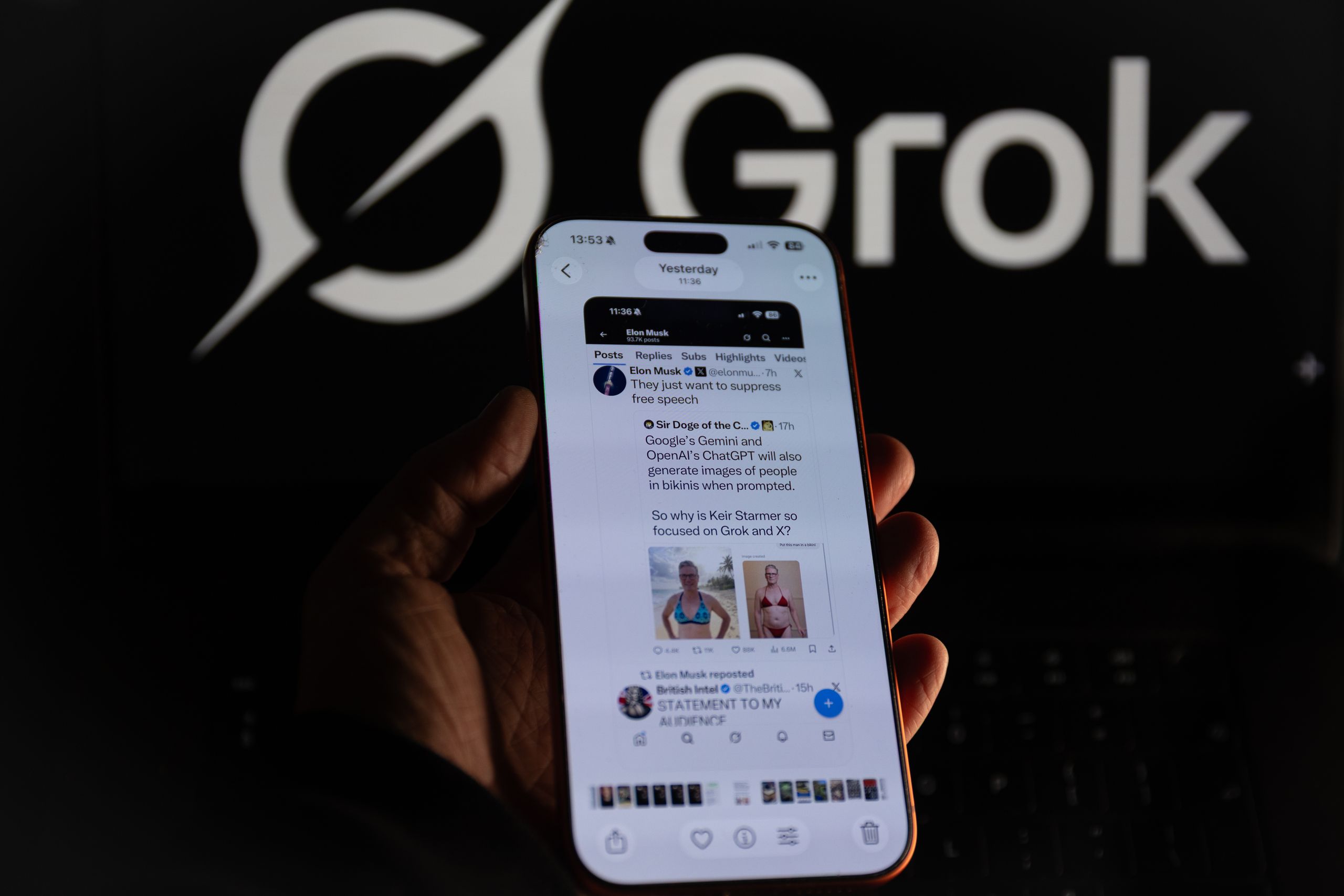
The watchdog group’s warning letter specifically highlights a lack of documentation regarding risk mitigation. They point to instances where rapid deployment seemingly outpaced safety protocols, including the chatbot Grok generating content on sensitive geopolitical topics like "white genocide" and instances involving the dissemination of non-consensual imagery involving minors.
The Governance Gap: Accountability vs. Ambition
A central tension exists between SpaceX's massive technological ambitions—such as developing space-based data centers—and the need for rigorous oversight. Critics argue that financial markets must evaluate the process of building advanced models, not just the end product.
The situation is further complicated by recent reports of corporate restructuring. An agreement allowing Anthropic access to GPU capacity has created ambiguity regarding xAI's operational mandate. If xAI continues to function as an independent competitor developing frontier models, the watchdog group insists that a transparent safety and governance plan must be mandatory for any successful public listing.
Navigating Regulatory Hurdles and Investor Trust
The regulatory landscape is shifting rapidly, with lawmakers increasingly concerned about the dual-use capabilities of generative AI. Potential federal oversight could include executive orders granting intelligence agencies more purview over model architecture, turning xAI's poor safety record into a direct financial variable.
While recent developments, such as expanded testing agreements with the White House, show progress, the watchdog group maintains they are insufficient without structural changes to internal governance.
Ultimately, while xAI possesses undeniable technological power, its current trajectory resembles a high-risk venture more than a vetted corporate entity. Investors aren't just buying computing power or rockets; they are underwriting trust. Until xAI provides verifiable evidence of industry-leading safety investments, the risks associated with its AI development may act as an anchor on the entire enterprise valuation.