Last week, I visited a high-end studio lot in Los Angeles to experience the expanding boundaries of the Fortnite ecosystem. It is difficult to define "playing Fortnite" these days, as the battle royale has evolved into a massive platform featuring thousands of community-made modes and official titles under the Epic Games banner. I was there specifically to test Fortnite's new partnered Star Wars games, a collection of titles built using the new Star Wars UEFN (Unreal Engine for Fortnite) toolkit.
These games were commissioned by Epic in cooperation with Disney to showcase official movie assets and sounds while promoting the upcoming The Mandalorian film. Unfortunately, the experience felt like an underwhelming marketing event. Alongside various press members and content creators, I spent hours playing through a range of titles, from Galactic Siege and Droid Tycoon to the horror-centric Escape Vader.
Why Fortnite's new partnered Star Wars games feel like cheap tie-ins
The current selection of Fortnite's new partnered Star Wars games feels remarkably similar to the low-budget movie tie-in video games of the late 2000s. Historically, these titles existed primarily to promote major film releases before marketing budgets shifted toward more efficient mobile game resessions. Now, we are seeing a resurgence of this trend within Fortnite, where developers use popular formats like "tycoon" or "bed wars" to feature whoever is currently funding the project.
For Disney, this strategy could lead to significant buyer's remorse. The games range from blandly inoffensive to outright terrible.
Galactic Siege: A Nostalgic but Flawed Experience
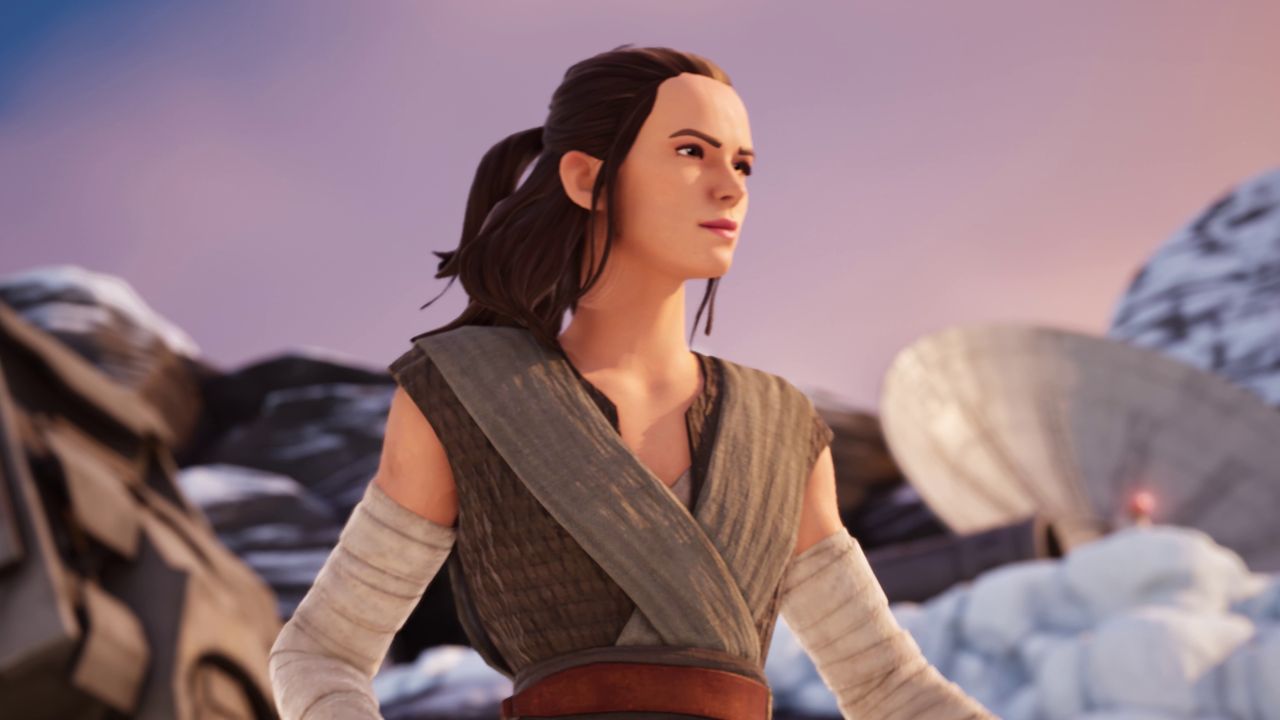
The most impressive title was Galactic Siege, developed by Jogo Games—the studio behind "Only Up Time Travel" and "Toy Bed Wars." This game successfully captures the essence of the classic Star Wars: Battlefront experience. It features a Rebels vs. Empire format based on the Battle of Hoth, allowing players to choose classes, respawn on teammates, and pilot X-Wings or play as iconic characters like Rey and Vader.
The developer even implemented a layer of persistent progression where players can customize their own lightsabers and Jedi heroes in a pre-game lobby. However, the gameplay is hindered by several issues:
- Unbalanced upgrades that provide straight damage and health advantages to grinders.
- Poor gunplay mechanics.
- A battlefield filled with incompetent bots.
- Intrusive Fortnite UI elements that break immersion.
It is disappointing to see such high-quality assets and lore-accurate weaponry undermined by the inherent limitations of the UEFN platform.
Droid Tycoon: A Misplaced Genre
If you have ever watched a child play Roblox, you will recognize the "tycoon" format used in Droid Tycoon. It is an idle clicker where players perform repetitive tasks to build a Star Wars droid factory. The gameplay loop includes:
- Clicking on regenerating scrap piles to earn money.
- Assigning droids to stations to accrue passive income.
- Engaging in combat with other players to steal their droids.
While Droid Tycoon was the most stable game I played, it is a frustrating experience within this platform. Idle games are best when they run in the background, yet this version demands constant manual interaction, such as running around an empty factory to drop robots. It is hard to see how Fortnite's new partnered Star Wars games benefit from including such shallow, unengaging genres.
Escape Vader: Horror in the Death Star
The final title, Escape Vader, is a co-op horror survival game. In this mode, four players navigate the wreckage of the Death Star to collect energy coils while being hunted by an invincible, AI-controlled Darth Vader. While it offers a cinematic atmosphere, the gameplay remains quite basic as the monster lacks the ability to run, making the tension difficult to maintain.