Finally, A Fun NBA Game That Doesn’t Ask For All My Time And Money
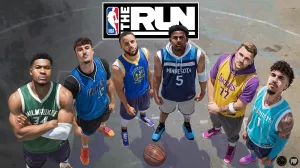
If you're going to take on a juggernaut like NBA 2K, you'd better have a strong gameplan. Built from the cherished streetball memories of yesteryear and the charismatic vibes of today, NBA The Run is Play by Play Studios' debut effort and the team's attempt to squeeze into basketball fandom's gaming timeshare. As soon as you see it, it's clear this is a very different take on the sport than the true-to-life simulation that is NBA 2K, but doing something different isn't enough on its own. The team has to do it well, too. Thankfully, NBA The Run scores on most of its attempts, earning it a place in the rotation.
NBA The Run is essentially a modern take on NBA Street and the colorful, exaggerated arcade sports games we don't often see anymore. The team at Play by Play includes some former EA Sports developers, and they've brought their experience to this new endeavor: rekindling the magic of streetball games from decades past while modernizing the experience in clever ways.
The Run is played in games of 3v3, whether you're playing in solo mode, teaming up with friends, or matchmaking with other players online. No game is played as a standalone exhibition. Instead, you're always chasing championships in its tournament structure. Inspired by Fall Guys, The Run pits you and your teammates in a tourney that can be won by coming out on top in four consecutive games. Like March Madness, these are one-game, survive-and-advance showdowns, not series like in the NBA playoffs. Lose, and you're sent back to the start of a new tourney the next time you play. Win, and you're one step closer to glory.
This tournament structure is so simple yet so effective. Games are quick, at about two to five minutes per matchup, meaning winning a trophy takes only 15-20 minutes, or roughly as long as winning a round of Fortnite. Each round, a spinner randomly lands on a new rule set. In one round, you might be playing first to 18, with dunks counting as three-pointers, while other shots net you just one point each. In the next round, you might be playing for speed, with unlimited stamina and a first-to-11 scoring cap. Each round is unpredictable, making each tournament as a whole feel fresh.
The swiftness with which you move through tourneys also feels like a secret weapon working in The Run's favor. Title wins feel prestigious, with a trophy presentation and stats summary that cements your championship as hard-fought—you can even emote and show off your total number of trophies—but losing before you get to the championship podium doesn't sting too much, because matchmaking is fast, your time investment is never steep, and the next tourney is just seconds away if you want it to be. This PvP structure respects your time, both by not asking you for much of it in the first place and by giving you a fun game to play when you do decide to sit down and play it.
It's a smart way to bring arcade basketball into the present, but The Run doesn't want to merely port those older games into 2026. Things like NBA Street and NBA Jam always felt heavily skewed toward offense. Excitingly, everyone in The Run is overpowered, but that's true on defense as much as on offense. Shooting is done by simply timing the release at the height of your jump shot, and with an open look, it's likely to go in—provided your chosen player is skilled from the given range. But getting in the player's face can be enough to disrupt the shot's timing, and if you go for a steal or a block while using a player skilled in those areas, you may just wind up with the ball, saving your team the trouble of fighting for a rebound.
Unlocking new dunk animations means finding new ways to express yourself and stand out on the court.
Possessing the ball feels forever threatened, because steals or straight-up shoves into the asphalt are as reliable as a Curry three-pointer in The Run. You'll need to work with your teammates and use the whole control scheme to dish the ball around, find the open looks, and keep pace with your opponent—or even leave them trailing behind, if you can lock down on D.
Once I felt like I had a grasp on the game's speed and strategic elements, I found I could unleash especially flashy moves, like alley-oops to my teammate, passes to myself off the backboard, or even bouncing the ball off my opponent's head. There are levels to just how cool you can look on the court in The Run. By default, everyone is cool to start, but for those who want to go deeper, you can really show off like the players in an And 1 tournament you may have seen on ESPN 2 back in the day.
The roster of players stands just shy of 40 at launch, with the game handpicking the best of the best from the NBA, plus a few original characters and real-life streetball legend, DJ, and former NBA Street commentator, Bobbito Garcia. If your favorite NBA player is arguably in the top 30 of current stars, it's likely he's in The Run. That includes shoo-ins like LeBron James and Kevin Durant, as well as slightly deeper cuts like Scottie Barnes and Devin Booker. It's been a ton of fun in my time with the game to get to grips with each athlete and find my favorites—it's Giannis, by the way.
The best thing about The Run's on-court foundation is how attributes clearly matter. Wemby's blocking skills are among the best in the game, so he feels like a constant roadblock if his user is playing him correctly. Speedy players, like Damien Lillard, can hustle to a loose ball or race ahead on a fast break for a clean look from wherever he wants—probably from the arc, given his abilities there. Each player is a monster, yes, but the differences in their skills do matter, and you can see these deltas influence every game you play. Some players are just noticeably more monstrous than others in certain contexts.
This varied roster mixes well with the tournament structure because team composition tends to matter so much. If you and your friends take three bigs into the tourney, only