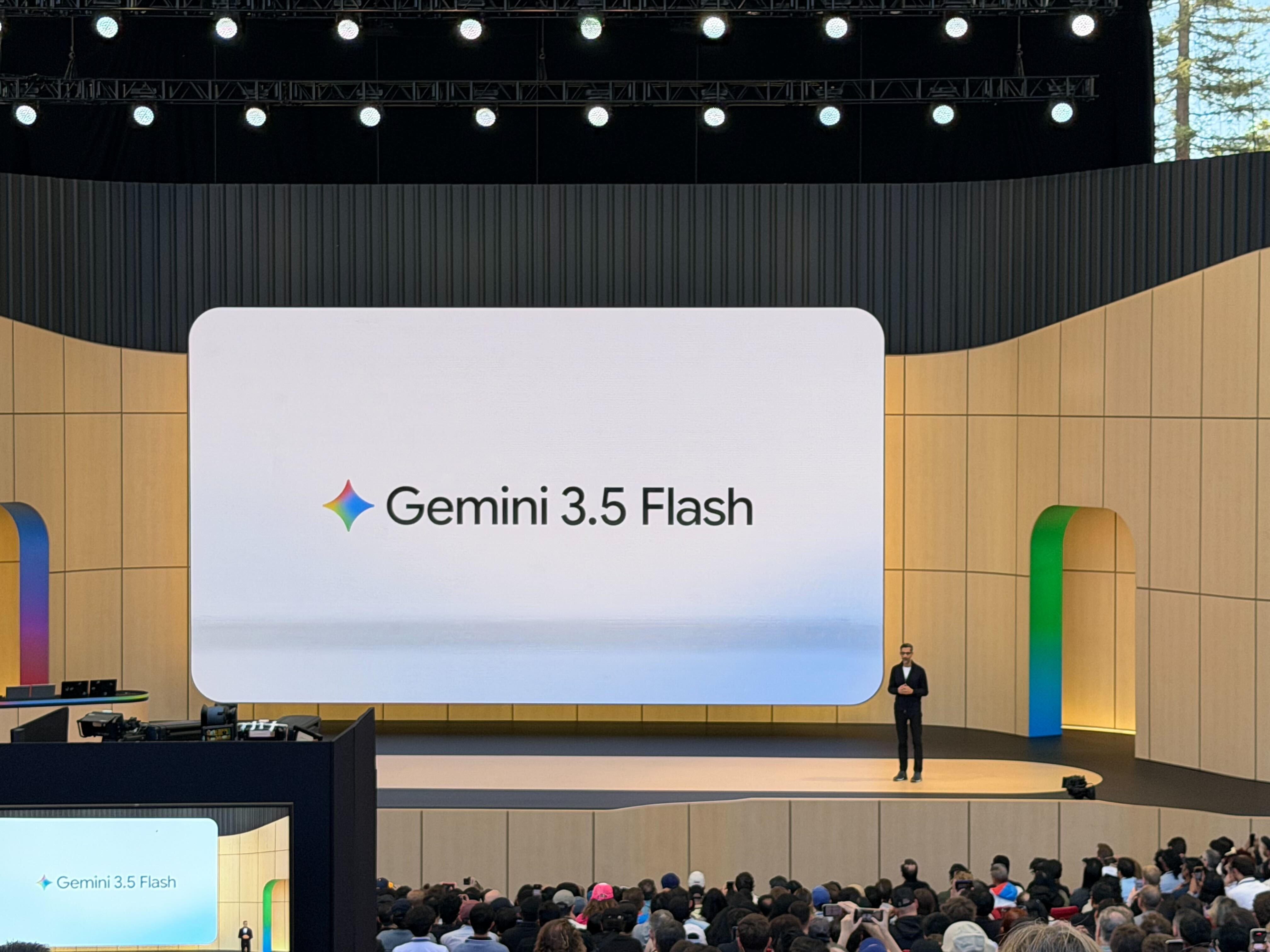
Google Pivots Toward Agentic AI with Gemini 3.5 Flash
Google has officially entered a new era of artificial intelligence with the launch of Gemini 3.5 Flash. Unveiled at the company's annual developer conference, this release signals a massive strategic shift in how Google approaches machine learning. Rather than focusing solely on conversational interfaces, Google is betting its next AI wave on autonomous agents rather than traditional chatbots.
Gemini 3.5 Flash represents the company's most powerful model to date for both coding and agentic workflows. Unlike standard LLMs that simply respond to prompts, this model is designed to function as a proactive tool capable of navigating complex digital environments.
The Shift from Chatbots to Autonomous Agents
The core distinction of Gemini 3.5 Flash lies in its ability to move beyond simple text generation. While previous iterations focused on dialogue, this new model excels at autonomous execution. It doesn't just suggest solutions; it performs them.
Key capabilities of the new model include:
- Complex Task Execution: The ability to handle multi-step workflows without constant human intervention.
- Software Engineering: Building functional software applications from scratch based on high-level requirements.
- Agentic Reasoning: Navigating logic and decision-making processes to complete long-form objectives.
Redefining the Developer Experience
By prioritizing agentic AI, Google is targeting the professional and developer markets directly. The model's proficiency in coding makes it a significant competitor in the burgeoning field of AI-driven development.
As Gemini 3.5 Flash begins to integrate into broader ecosystems, the focus will remain on its capacity to act as an independent entity. For Google, the future isn't just about talking to an AI—it is about delegating entire projects to one.