Google’s Android XR Glasses: A Glimpse Into the Future of Wearable Tech
The paradox of wearable technology has shifted from miniaturization to invisibility. For decades, the industry chased the dream of a device that could compute without demanding attention. Google’s latest attempt, the Android XR glasses, sits precariously on the edge of that dream, offering a glimpse of a future where the screen is everywhere and nowhere.
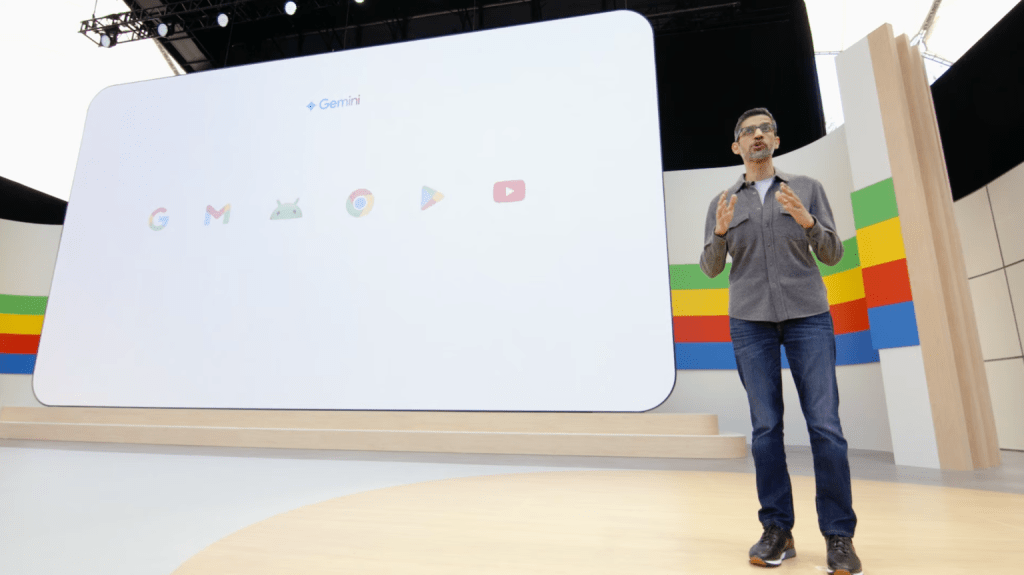
At the recent I/O developer conference, Google unveiled a prototype that feels less like a finished product and more like a sophisticated proof-of-concept. It is tantalizingly close to viability but still fraught with the physical limitations of current optics.
The Friction of First Light
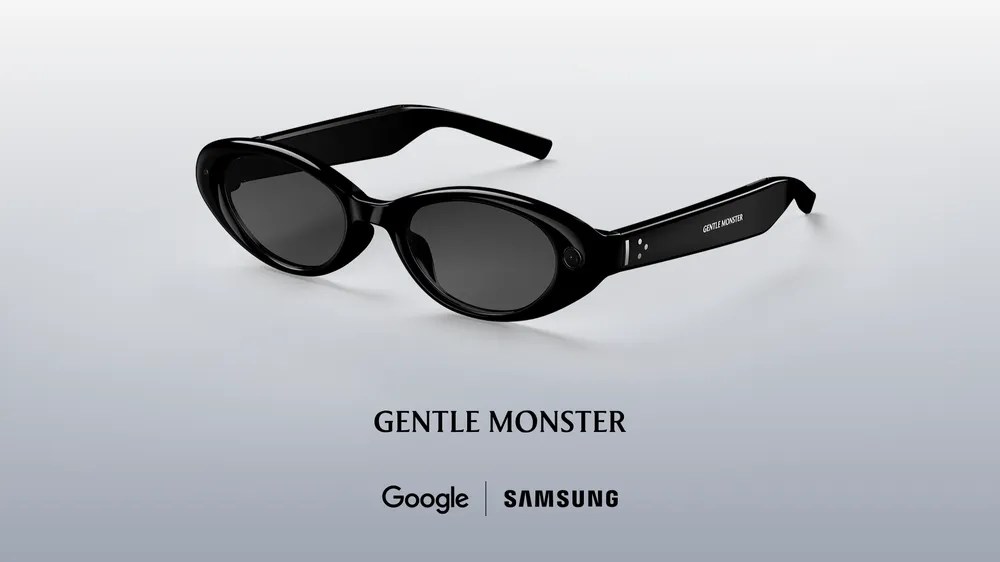
The immediate experience of donning the prototype reveals the core challenges of augmented reality on a consumer scale. The device is not a standalone computer but a companion piece to a smartphone, blending hardware from Warby Parker, Gentle Monster, and Samsung with Google’s Gemini AI engine.
This collaboration signals a strategic pivot: rather than building a new form factor from scratch, Google is leveraging established eyewear aesthetics to ease user adoption. However, the prototype tested at I/O was a heavy-handed experimental rig, deliberately stripped of cosmetic refinements to prioritize internal display technology and battery management.
The single-display prototype projected information over the right eye, creating a head-up display that hovered in the peripheral vision. While the concept of seeing weather widgets, navigation arrows, or translation subtitles overlaid on the real world is compelling, the execution showed significant strain:
- Visual Clarity: The image was often fuzzy, an issue exacerbated by the tester’s prescription contacts but indicative of the broader difficulty in focusing light on a tiny micro-LED panel without causing fatigue.
- Physical Discomfort: After only a few minutes of use, eye strain above the right eye became palpable. This is not merely a complaint of discomfort but a warning sign for mass adoption. For AR to move from novelty to necessity, it must be sustainable for hours, not minutes.
- Interaction Lag: The prototype’s inability to detect when the glasses were on or off underscored its early-stage status. Manual activation required a two-second press on the right temple, an interaction model that feels archaic compared to the gesture-based controls seen in rival devices from Meta.
The audio experience presented a similar dichotomy. During a demonstration of music playback, the sound quality was adequate for casual listening but failed to compete with dedicated earbuds. The open-ear design allows for environmental awareness, a key advantage over the transparency modes of AirPods, but it sacrifices the immersion and fidelity that many users expect from personal audio devices. It is a trade-off that defines the category: convenience versus quality.
Utility Over Hype
Despite the hardware roughness, the software integration with Gemini offers genuine utility. The most polished demo was the real-time translation feature. When a speaker switched to rapid Spanish, the glasses detected the language and displayed English subtitles in the user’s field of view, while Gemini provided audio translation in the ear.
This seamless integration of visual and auditory channels transforms a frustrating barrier into a manageable tool, highlighting the potential for live translation as a killer app for travel and cross-cultural communication.
Navigation also showed promise. By linking with Google Maps, the glasses provided turn-by-turn directions without requiring the user to look at a phone screen. The interface was intuitive:
- Looking forward displayed the next turn.
- Looking down revealed a map with a blue dot for spatial orientation.
This spatial context allows for a more natural walking experience, reducing the cognitive load of constantly glancing between a device and the path ahead.
However, the AI’s object recognition capabilities remained inconsistent. When asked to identify a replica Monet painting, the prototype struggled, requiring multiple prompts and physical adjustments to recognize the signature. While it successfully identified a plant and recipe book, the latency and accuracy issues in complex visual tasks suggest that the computer vision algorithms are still in training. The 45-second round-trip time for AI manipulation on the I/O’s congested Wi-Fi further highlighted the dependency on robust cloud connectivity, a vulnerability in real-world scenarios.
The Road to Mainstream
Google’s strategy of releasing an audio-only version first, followed by the display-equipped version, is a calculated risk. It allows the company to build an ecosystem of users for Gemini on wearables before introducing the more complex AR layer. The audio glasses, compatible with both iOS and Android, offer a lower barrier to entry, providing AI assistance without the visual clutter and eye strain of the prototype.
Yet, the gap between this prototype and a shipping product is wide. The fuzzy display, the rapid onset of eye strain, and the reliance on a smartphone for processing power are significant hurdles. Google must resolve the optical engineering challenges to make Android XR glasses a viable alternative to staring at a screen.
The potential is undeniable, particularly in translation and navigation, but the "almost there" sentiment is a cautious one. The technology is ready to dream, but the hardware is not yet ready to live.
The industry is watching closely. With Meta and Snap already entrenched in the social AR space, Google’s ability to differentiate through superior AI integration and enterprise-ready tools will determine its success. The prototype at I/O was no