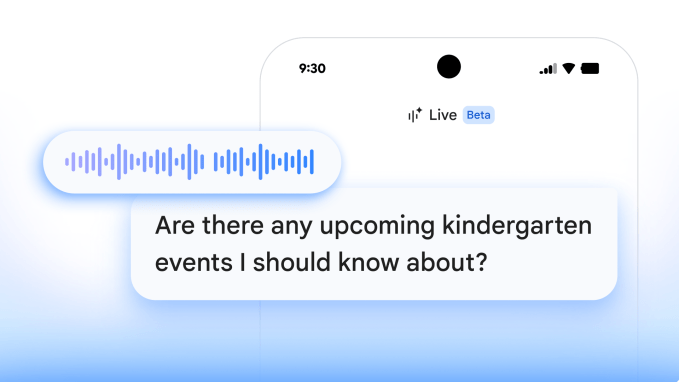
Conversational queries concerning forgotten details—like a specific room number mentioned months ago or the precise date of an elective class—can now be addressed by simply speaking them into an email client, foregoing the frustrating archaeology of keyword searching. Google’s AI integration via Gemini within Gmail redefines inbox interaction, transforming the mailbox from a rigid filing cabinet into an interactive knowledge base capable of nuanced recall. This shift represents a significant pivot in how productivity suites anticipate user intent rather than merely processing syntax.
From Keywords to Conversation: The Semantic Search Leap
The traditional act of searching an inbox relies on precise recall; one must know the subject, sender, or exact phrase buried within dozens of threads. While powerful, this method breaks down when memories fade or details are scattered across unrelated communications. Gmail Live fundamentally changes that calculus by enabling users to pose open-ended questions about their entire corpus of correspondence.
This functionality moves beyond mere keyword matching into true semantic understanding. Users can now ask complex, multi-layered queries—such as compiling details regarding a past family trip that involved flights, hotels, and local reservations—and receive a synthesized answer rather than just a list of potentially relevant messages. This level of contextual awareness is what separates rudimentary search tools from genuinely intelligent assistants.
Beyond Search: Granular Context and AI Capabilities within Workspace
The intelligence demonstrated within Gmail does not exist in a vacuum; it signals a broader strategic push across the entire Google ecosystem. The ability to understand the subtle difference between "field trip" and general "trip," or to isolate a specific alphanumeric code from dense text, showcases sophisticated entity recognition. This deep comprehension is crucial for enterprise-level utility as much as personal organization.
The integration points suggest a comprehensive overhaul of daily digital management:
- Natural Language Querying: Asking questions like "What did I need to bring to Detroit?" instead of searching for "Detroit packing list."
- Follow-up Capabilities: The AI can maintain conversational context, allowing users to narrow the scope without restating the initial premise.
- Cross-Service Utility: Similar voice interactions are slated for adjacent tools like Google Keep, suggesting a unified cognitive layer across productivity apps.
Integrating AI Responsibly: Lessons from Past Deployments
The rollout of such powerful features requires careful management; history provides ample cautionary tales regarding premature deployment. The industry witnessed significant user resistance when certain AI-enhanced features, such as early iterations in Google Photos search, were perceived as intrusive or unreliable. Google’s measured approach here—positioning this Google AI integration as an alternative to the existing robust search function rather than a replacement—is a necessary concession to user agency.
The phased rollout itself reflects this caution; initially confined to specific high-tier subscribers, it provides a high-value test bed before broader adoption across other tiers. This controlled release model is more responsible than an immediate, universal mandate, acknowledging that productivity tools must adapt to the user's current tolerance for algorithmic assistance.
The implications of this conversational layer are profound. It suggests a future where the interface between human intent and digital information is no longer a matter of searching, but of simply asking.