The subtle shimmer of data overlaid onto the mundane reality of a busy crosswalk signals an inevitable shift in personal computing. Glass lenses are poised to become multi-functional interfaces, transforming traditional eyewear from mere fashion statements into sophisticated computational tools. Google’s ongoing commitment to Android XR has finally crystallized several tangible hardware pathways, revealing a complex ecosystem designed to cater to everyone from casual consumers to dedicated developers.
The Evolution of Android XR Smart Glasses
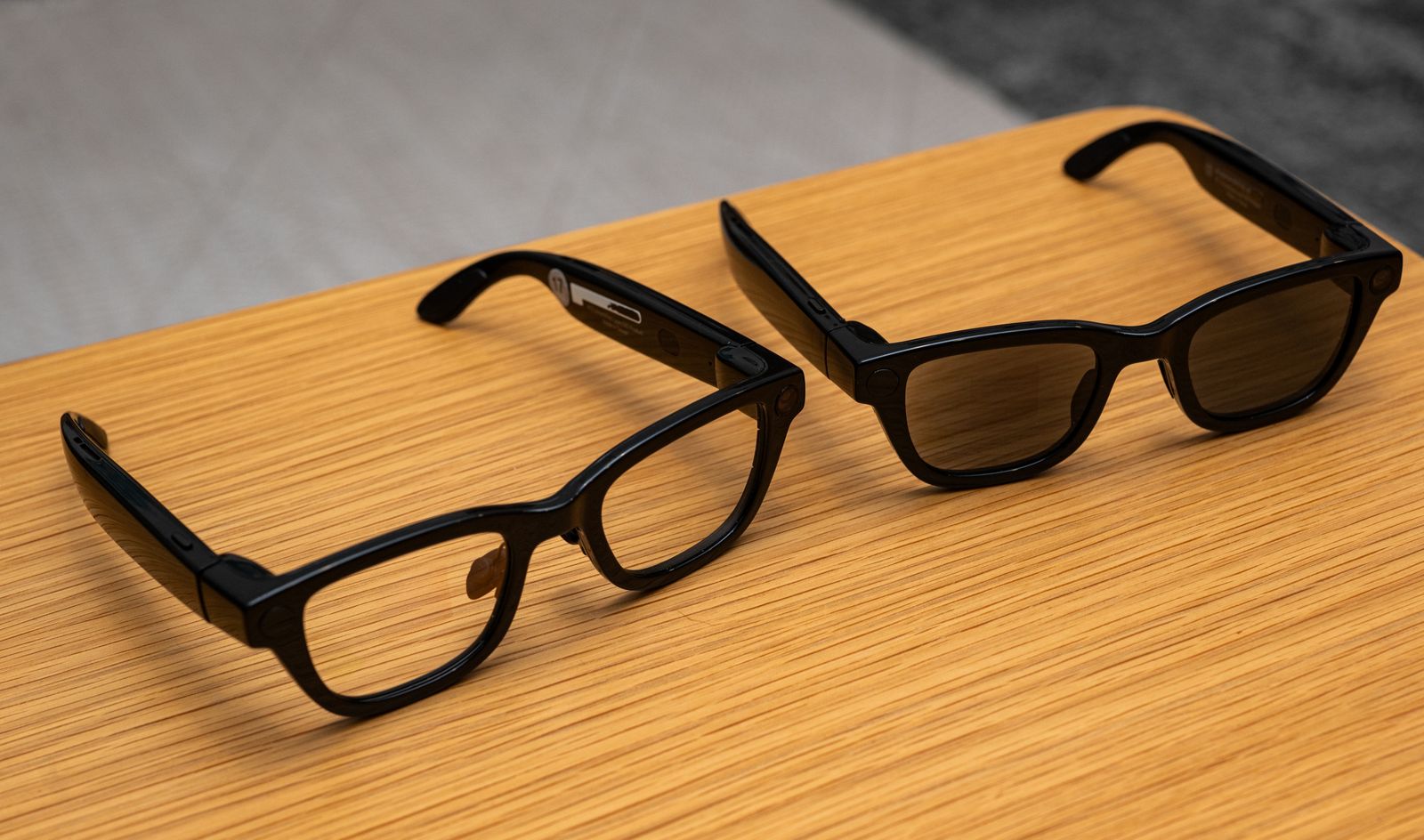
The first wave of accessible wearables is set to arrive via collaborations with established eyewear designers like Warby Parker and Gentle Monster. These initial models emphasize audio assistance powered by Gemini, allowing users to receive contextual information without any visible displays embedded in the lenses. This marks a significant step toward discreet integration, where technology augments sight and sound rather than replacing it entirely.
The foundational capability across all upcoming hardware—even purely audio-based models—is the integrated camera array. This constant visual input allows Gemini to understand the user's environment, enabling services like real-time object identification or contextual Q&A about surroundings. Advanced versions incorporating lenses with displays promise even richer utility:
- Turn-by-turn navigation visible as digital overlays on the physical world.
- Live subtitled translation of foreign languages appearing directly in your line of sight.
- Floating widgets displaying real-time data like stock tickers or step counts.
To ensure these digital elements stay anchored, the system architecture relies heavily on Google’s Visual Positioning System. This uses camera input to maintain precise location awareness even when GPS signals are unreliable, allowing for accurate spatial overlays.
From Audio Assistants to Project Aura
A distinct approach to the Android XR smart glasses landscape is represented by Xreal's Project Aura. This model targets users accustomed to the full immersion of bulky headsets like the Apple Vision Pro. While it requires more visible components—including a compute puck and associated wiring—the primary goal is radical miniaturization for a portable form factor.
The interface on these advanced models promises deep compatibility with the broader Android ecosystem. Key interaction paradigms include:
- Gesture Control: Interacting with virtual screens by pinching fingers in mid-air.
- Multi-windowed Applications: Utilizing preview SDKs to run complex software.
- Spatial Awareness: Projecting full-sized interactive displays while maintaining a view of the physical environment.
The Spectrum of XR Computing Modes
The current roadmap demonstrates that "smart glasses" is not a single product category, but an umbrella term covering several distinct computing modes. Each mode offers different trade-offs between immersion and aesthetics:
- Audio-Only Glasses: Prioritize discretion; excellent for hands-free assistance, such as asking Gemini about a board game.
- Display AI Glasses: Offer visual overlays; ideal for navigation or reading translation captions without full immersion.
- Wired XR Glasses (Project Aura): Provide the most computational power and screen real estate, mimicking tethered headsets in a pocketable form factor.
The generative capabilities demonstrated—such as asking Gemini to remove background elements from a photo or altering a scene's decor post-capture—show that processing is moving far beyond simple information retrieval. It now involves on-the-fly content manipulation.
While current demos showcase incredible feats of contextual AI and optical engineering, the industry remains in a phase of prototypes and controlled environments. The true breakthrough for Android XR smart glasses will occur when these systems become so seamlessly integrated into daily behavior that wearing them feels as natural and unremarkable as standard eyewear.