The uncanny familiarity of a video panning across a cluttered desk or the specific way lighting hits an expensive mechanical keyboard is no longer exclusive to physical reality. Thanks to advanced generative models, these moments can now be replicated with startling precision. With its latest suite of creative tools, Google makes it easy to deepfake yourself by allowing users to generate digital avatars capable of appearing in any AI-generated scene. This shift signals a maturation in synthetic media, moving beyond simple novelties into professional content production workflows.
Omni Flash and Character Consistency
A major technical leap has arrived with the introduction of Omni Flash, a new video generation model within Google's creative suite, Flow. Historically, generative video struggled with character coherence—the ability to keep a subject looking the same across multiple frames. Omni Flash aims to solve this by providing vastly improved fidelity and subject stability.
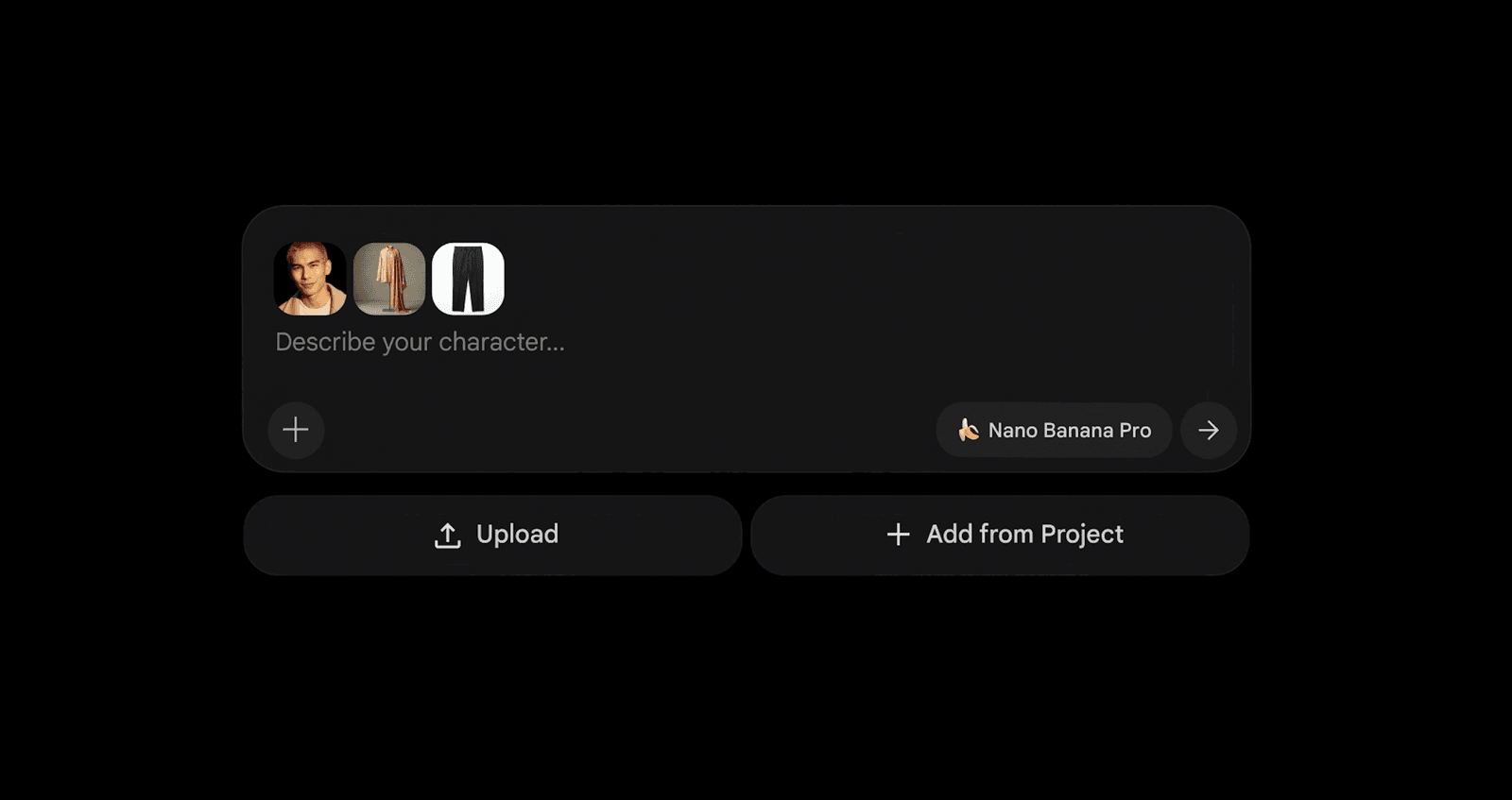
The ability to generate consistent characters—specifically your own likeness—suggests significant advancements in subject embedding within generative pipelines. Users can now build a digital clone by capturing multiple angles and vocal patterns. This allows the model to maintain specific visual and auditory hallmarks, regardless of how the camera moves or how the prompt changes.
Key Features of the New Workflow
- High-Fidelity Scanning: Selfie captures provide the robust foundational data needed for replication.
- Omni Flash Engine: Drives the actual quality and consistency of the video generation.
- SynthID Integration: Google’s mandatory watermark maintains provenance and transparency.
The Rise of Personalized Synthetic Media
The core of this technology revolves around turning your own likeness into a reproducible asset. To prevent misuse, Google is taking a measured approach: initial functionality keeps these avatars strictly limited to the user's own identity. This prevents the immediate issue of deepfaking others while allowing creators to explore personalized synthetic media.
This feature is designed for broad integration across the Google ecosystem, linking directly with platforms like Gemini and YouTube. The setup process is intentionally streamlined; a simple QR code scan followed by controlled recording allows the model to gather the data points necessary for high-fidelity replication.
Integrating AI into the Content Pipeline
This avatar capability is more than just a standalone feature; it is a cornerstone of Google's strategy to embed generative AI into every step of the creator workflow. The goal is to build automated pipelines where complex tasks are handled through natural language commands.
By using simple prompts, users can change backgrounds or wardrobe details while the core avatar identity remains untouched. This shifts the heavy lifting of compositing away from human editors and onto the AI agent itself. As tech giants like Meta push similar localized features, it is clear that AI agency is becoming the industry standard.
While these tools offer unparalleled efficiency—allowing creators to produce entire video concepts without a physical shoot—they do blur the line between authentic and synthetic work. As Google makes it easy to deepfake yourself, the technical fidelity of these models will require increased media literacy from consumers. Ultimately, through the use of watermarking and transparent guardrails, Google is setting a benchmark for the next phase of generative media adoption.