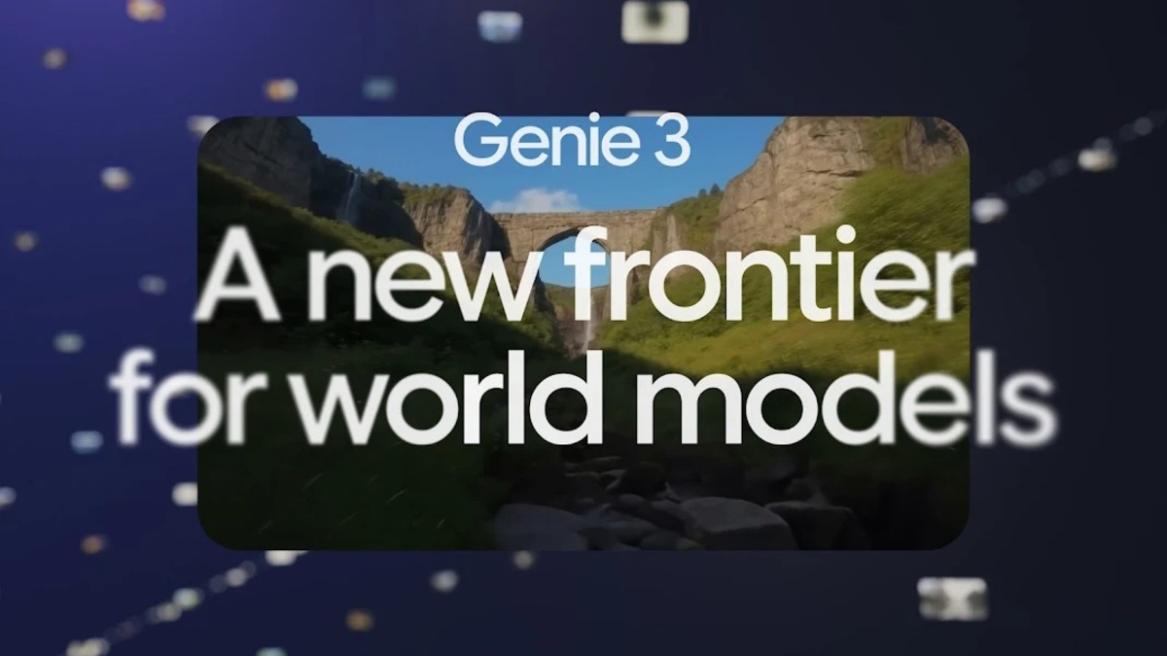
Google DeepMind is pushing the boundaries of generative AI by integrating Street View data into its Project Genie framework. This breakthrough allows the Genie world model to transform static imagery into immersive, interactive simulations of real-world environments. By bridging the gap between captured photography and dynamic simulation, Google is creating a tool that can replicate actual streets with unprecedented accuracy.
Expanding the Capabilities of the Genie World Model
The integration of Street View data enables the Genie world model to move beyond simple image generation. It can now construct navigable 3D-like spaces that users can explore in real-time. This capability is not limited to just recreating geometry; it includes complex environmental variables that make the simulations feel alive.
Key features of this new integration include:
- Dynamic Weather Changes: Users can observe how specific streets look under different meteorological conditions, from heavy rain to bright sunlight.
- Rare Scenarios: The model can simulate unique or infrequent events that are difficult to capture in standard photography.
- Interactive Exploration: Rather than watching a video, users can navigate through the simulated environments as if they were physically present.
Real-World Applications for Robotics and Gaming
The ability to simulate real streets via the Genie world model has massive implications across several tech sectors. By leveraging existing Street View infrastructure, Google is providing a high-fidelity sandbox for testing and entertainment.
Advancing Robotics and AI Training
For developers working on autonomous systems, these simulations provide a safe yet realistic environment. Robotics engineers can use these simulated streets to train agents in diverse weather patterns and lighting conditions without the risks associated with real-world testing.
Transforming Gaming and Travel
The gaming industry stands to benefit from highly detailed, real-world digital twins. Beyond entertainment, this technology offers a new frontier for virtual travel, allowing users to experience remote or specific locations through a generative lens that responds to user interaction.