The integration of generative AI into ambient computing represents a massive inflection point for personal electronics. We are witnessing a fundamental shift away from dedicated screen-based interfaces toward contextually aware, always-on computational layers woven directly into our daily perception.
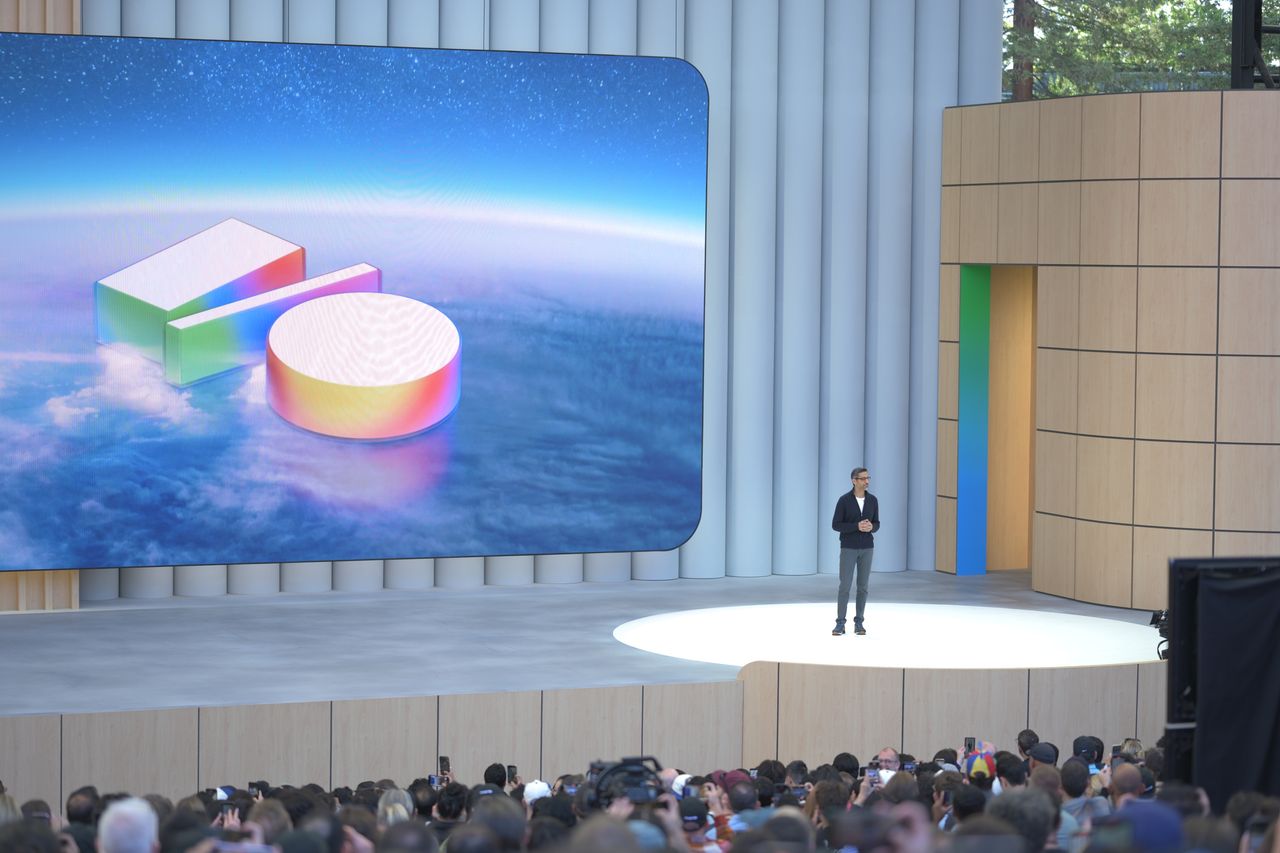
As we track the latest updates from Google I/O 2026, it is clear that the focus has moved from simple mobile apps to a cohesive ecosystem of intelligence and wearable hardware.
Advancing Gemini Intelligence Capabilities at Google I/O
The centerpiece of this year's developer conference remains the flagship AI suite. Gemini has become synonymous with Google's entire hardware and software roadmap for 2026. The industry is moving beyond simple chat interfaces toward true agentic functionality, where the AI doesn't just answer questions but proactively executes tasks across disparate services.
Current iterations are already pushing these boundaries, utilizing tools like the notebook feature to anchor sources within a conversational context. This elevates Gemini from a Q&A bot into a legitimate research partner. We expect to see further developments in:
- Simulation Generation: The ability for Gemini to generate interactive, visual simulations directly within chat windows to explain abstract data models.
- Contextual Grounding: Enhancements similar to NotebookLM, where the model is strictly confined to user-provided documents to ensure reliable output for enterprise use.
- Agentic Workflow Management: Rumored concepts like "Remy" suggest a move toward background task completion that requires minimal direct prompting from the user.
The Android XR Smart Glasses Roadmap
A persistent thread throughout Google's hardware announcements is the evolution of wearable computing, specifically Android XR smart glasses. Moving past the early iterations of Google Glass, this new generation promises a discreet, functional integration into daily life rather than a mere novelty.
These devices are being positioned as functional extensions of the operating system. To succeed, Google must balance powerful computational features with hardware that feels nearly invisible. Key areas of focus for these smart glasses include:
- Heads-Up Display Utility: Delivering glanceable information, such as live translation overlays, without overwhelming the user's field of vision.
- Ecosystem Integration: Ensuring seamless communication between wearables, Android 17 devices, and new desktop platforms.
- Market Availability: Updates regarding release timelines from partners like Samsung or Xreal are critical for developers looking to build on the platform.
Rethinking Personal Computing with Googlebook and Android 17
The operating system layer underpinning these experiences is undergoing a total rewrite. Google's vision involves a unified personal computing experience that transcends the traditional phone-to-laptop dichotomy, signaled by the emergence of AluminumOS.
This new direction manifests in the Googlebook, a premium endpoint powered by Gemini intelligence. This platform marks a departure from standard Chromebook functionality by baking deep AI interactivity directly into the input methods.
Furthermore, the rollout of Android 17 suggests deeper OS-level integration of these AI features. The goal is to make the user experience feel less like navigating discrete apps and more like interacting with a single, cohesive intelligence layer. Ultimately, Google I/O signals a maturation of the entire stack: Gemini provides the intelligence, Android XR provides the interface, and the Googlebook serves as the primary workstation gateway.