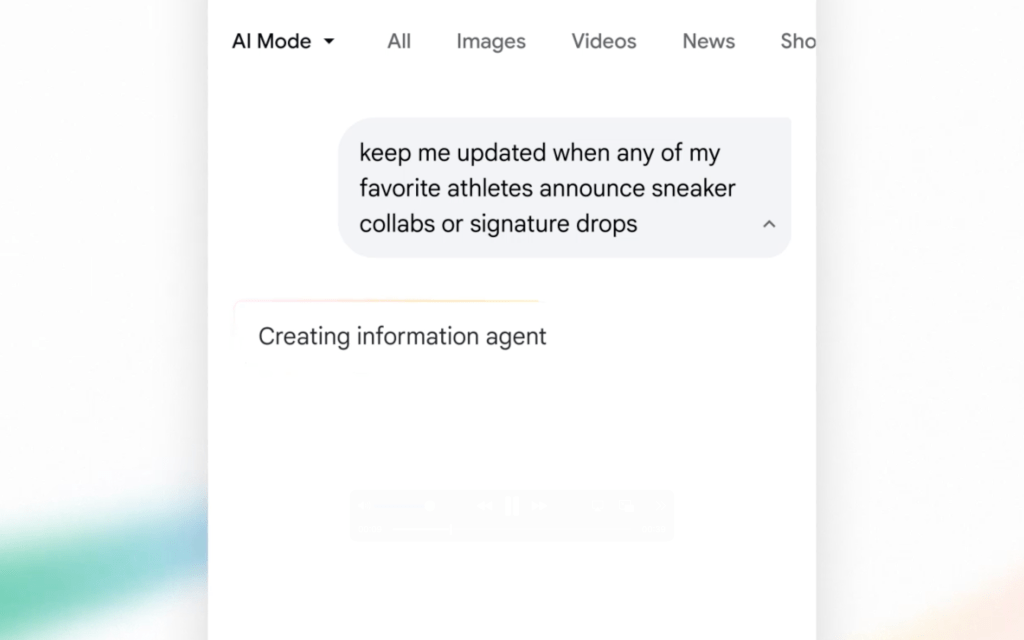
The evolution from simple keyword indexing to conversational AI represents a seismic shift in how we access structured knowledge. Early search engines acted as sophisticated librarians, merely pointing users toward existing stacks of information. Today's iteration moves beyond mere retrieval, ushering in an era where software acts less like a directory and more like a dedicated research assistant capable of sustained observation. This pivot toward agentic AI marks a definitive break from the traditional prompt-response cycle that has defined the internet’s primary interface for two decades.
Moving Beyond Simple Notifications with Information Agents
Traditional alerting systems, while useful, have long suffered from notification fatigue and inherent limitations in data synthesis. The concept of monitoring—much like an enhanced version of Google Alerts—has always been tethered to a discrete trigger: something happened. Google’s new information agents fundamentally change this paradigm by maintaining continuous background awareness across specifically defined topics. They aren't just sounding alarms; they are actively compiling narratives.
These agents operate with a depth that far exceeds simple RSS feeds or headline aggregations. Instead, they ingest data streams from disparate sources—ranging from financial markets and breaking news wires to localized event listings—and process them against a user-defined thesis. For example, monitoring volatile commodities requires more than tracking price fluctuations; it demands correlating geopolitical shifts, supply chain bottlenecks, and regulatory changes simultaneously. This level of contextual synthesis is the core value proposition, offering intelligent understanding rather than raw data dumps.
Integrating Proactive Monitoring into Search
The rollout of these capabilities signals a deep redesign of the entire search experience, moving beyond mere add-on features. The introduction of AI Mode within Search represents a significant architectural overhaul, transitioning toward a fluid, conversational interface capable of handling complex, multi-stage queries. This is designed to support the natural rhythm of human inquiry, which rarely follows a perfect grammatical structure or a linear path.
The utility of these information agents spans both professional tracking and high-level life management. Users can now direct these agents to handle intensive monitoring tasks that previously required multiple subscriptions, manual checking, or disparate applications. Key functions include:
- Tracking specific stock market activity for deep dives into individual company health.
- Monitoring real-time logistical data, such as fluctuating flight prices across multiple carriers and dates.
- Keeping tabs on hyperlocal trends, including shifts in the housing market or localized infrastructure changes.
- Synthesizing comprehensive overviews of complex events, such as summarizing quarterly corporate earnings reports immediately upon release.
Architecting Contextual Understanding Over Link Lists
The most profound change lies in the shift from where information resides to what that information actually means when aggregated. When a search query evolves into an active agent profile, the output is engineered for immediate comprehension. The system does not just provide a list of links; it builds an argument, compares competing viewpoints found across reliable sources, and surfaces actionable takeaways directly within the user interface.
Managing these information agents becomes an iterative process of constant refinement. If initial monitoring on a technology sector proves too broad—perhaps including niche hardware when only software was relevant—the user can refine the prompt within the AI Mode history. This conversational feedback loop allows the agent to narrow its focus with increasing precision, mimicking the mentorship provided by an expert analyst over several meetings rather than a single Q&A session.
The current rollout strategy suggests careful resource management, initially targeting premium subscribers in major markets before expanding globally. This tiered access ensures that early adopters gain visibility into systems capable of handling the most complex data models first. As we move forward, the ability to set up persistent monitoring creates a durable knowledge layer around ongoing interests, fundamentally transforming search from a tool of discovery into a tool of continuous intelligence.