Audio prompts whisper directly into the ear, translating a foreign street sign in real-time or providing turn-by-turn walking directions without ever requiring a glance at a screen. This seamless blend of digital intelligence and physical presence defines the experience of Google's latest foray into wearable technology. By prioritizing auditory interaction and ambient computing, these new audio-powered smart glasses signal a strategic pivot away from bulky displays toward a more discreet, utility-driven form factor.
Reclaiming the AI Wearable Frontier with Gemini Integration
Google's recent hardware announcements suggest a significant evolution in how the company approaches personal computing. Moving away from the conspicuous, often cumbersome designs of previous iterations, the new direction focuses on seamless utility woven into everyday fashion. The core of this experience is the integration of Gemini 2.5 Pro AI, which serves as more than just a voice assistant; it acts as a foundational layer for environmental context.
Unlike earlier attempts at smart eyewear that focused heavily on camera-centric data, these glasses are designed as multi-modal assistants. They interpret the world through a combination of voice commands and visual recognition, allowing for a much higher degree of contextual awareness. This shift positions the device not as a gadget, but as an indispensable layer of the user's digital life.
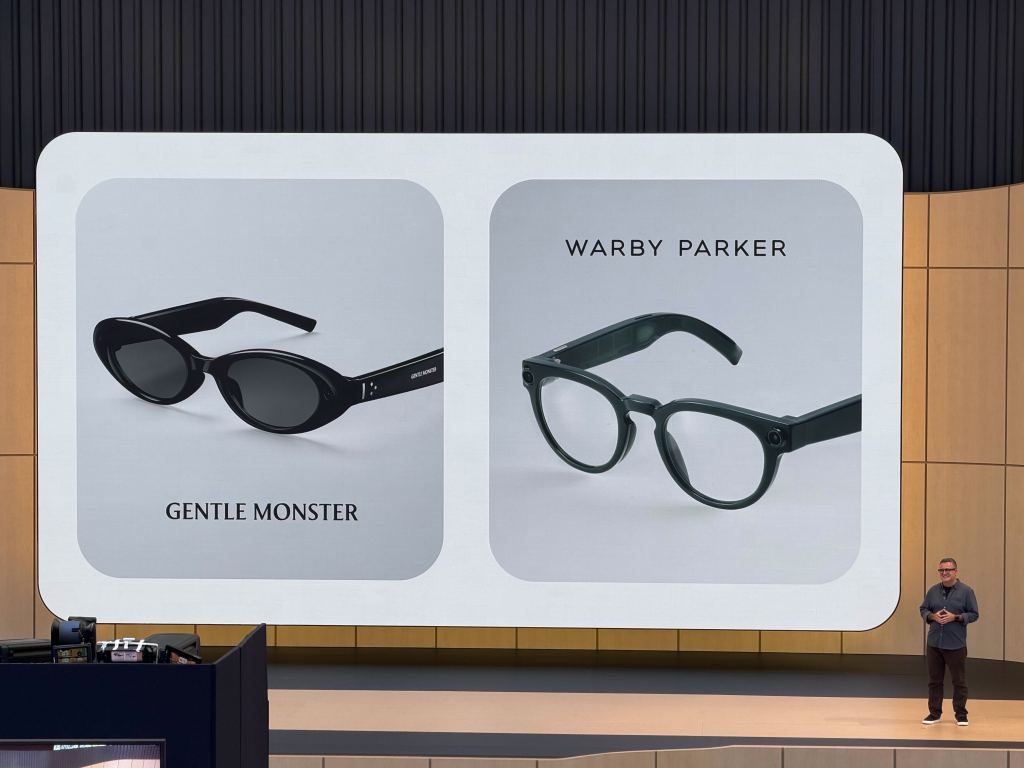
The partnership structure behind this launch indicates a sophisticated understanding of market barriers. By collaborating with premier eyewear brands, Google is attempting to solve the "social friction" problem that has historically hindered wearable adoption. Key partners in this ecosystem include:
- Warby Parker: Bringing consumer-friendly design and retail accessibility.
- Gentle Monster: Providing high-fashion aesthetics to ensure social acceptance.
- Samsung: Acting as a critical hardware collaborator for processing and integration.
The goal is clear: produce devices that look indistinguishable from premium eyewear while housing sophisticated, AI-driven processing power.
Differentiating Utility from Immersion in the Smart Glass Race
A central tension exists in the current wearable landscape between Google's approach and the path carved out by Meta. While Meta has leaned heavily into building immersive, shared virtual environments—often tethered to the concept of a sprawling metaverse—Google is centering its strategy on real-world task completion. This distinction defines the competitive landscape: immersion versus utility.
Google's roadmap emphasizes augmenting the user’s ability to navigate and interact with the tangible world rather than escaping it. This strategic divergence manifests in several key operational areas:
- Core Focus: Prioritizing practical tools like live translation, instant information retrieval, and navigation overlays over pure visual spectacle.
- Interaction Model: Utilizing a blend of verbal commands and discreet, optional in-lens displays to keep the user grounded in their physical surroundings.
- Ecosystem Synergy: Leveraging deep integration with Google Maps, Search, and Workspace to make the glasses a productivity tool for professionals.
By focusing on solving tangible friction points—such as remembering a name or navigating an unfamiliar city—Google avoids the skepticism often directed at devices designed solely for social broadcasting or digital escapism.
The Architectural Shift Toward Open Platforms
The technical foundation of these new glasses suggests a calculated move toward a decentralized, yet highly controlled, ecosystem. By building upon the Android XR platform, Google is inviting a broad spectrum of hardware manufacturers to develop within its framework. This approach allows for varied price points and form factors, preventing the company from being limited by a single hardware design.
Privacy remains a cornerstone of this new era, addressing the legacy concerns left behind by the original Google Glass. The hardware includes visible LED indicators that trigger whenever microphones or cameras are active, providing a layer of transparency for both the wearer and the public.
Furthermore, the architecture utilizes a split-compute model. By offloading heavy processing tasks to a connected smartphone or cloud infrastructure, the glasses can maintain a lightweight profile suitable for all-day wear. As the competition intensifies, Google's success will depend on whether it can turn these high-tech capabilities into an effortless, invisible part of the human experience.