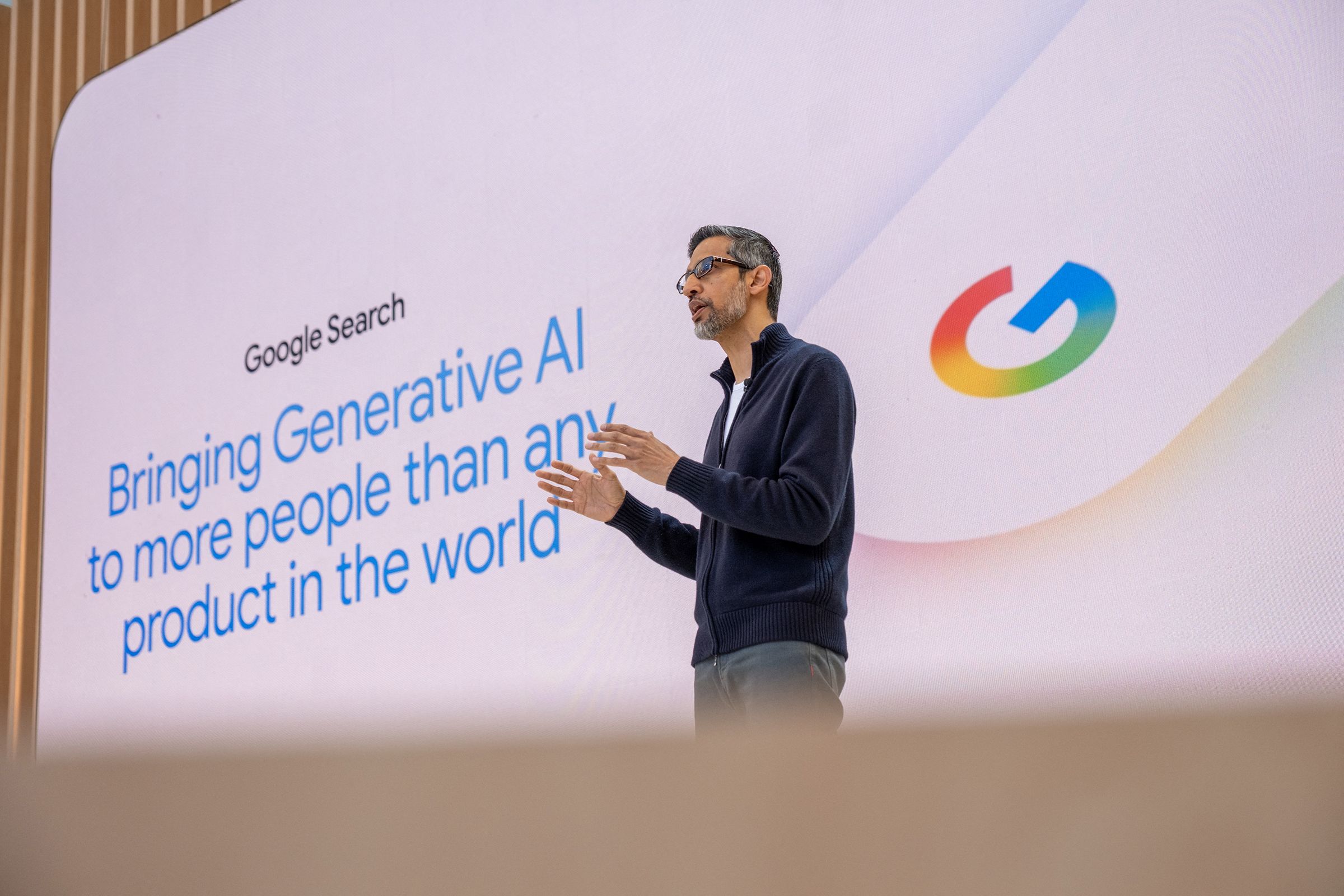
The race to develop a fully autonomous AI agent has created a strange paradox: developers are building systems capable of managing entire lives—from inboxes and calendars to personal finances—while simultaneously wrestling with the question of who truly controls that digital life once it is automated. Google’s response to OpenClaw’s 24/7 AI agent arrives in the form of Gemini Spark, a highly polished, deeply integrated counterpoint to the more open-ended and experimental nature of platforms like OpenClaw.
Ecosystem Lock vs. Universal Access
The fundamental difference between Gemini Spark and its competitors boils down to a choice between digital captivity and universal access. Google’s offering is designed for seamless cohabitation within its own walled garden. It dives deep into personal data streams—including Google Calendar, Gmail, and Docs—before requiring any external handshake. This native depth provides unparalleled utility for power users already entrenched in the Google Workspace ecosystem.
In contrast, agents like OpenClaw prioritize platform agnosticism. They aim to act as a central nervous system connecting disparate services such as WhatsApp, Slack, and local files, regardless of corporate ownership or API structures. While this flexibility is a massive draw for those wary of vendor lock-in, it demands significantly more manual management and an understanding of complex authentication flows.
Proactive Automation and the Friction of Control
While both systems aim for a state where the agent acts before being prompted, their implementations reveal distinct philosophical differences regarding user intervention. Spark distinguishes itself through its proactive nature; rather than waiting for a specific prompt sequence, it monitors contexts to flag potential issues. This includes tasks like spotting surprise fees on credit card bills or curating morning digest reports from scattered emails.
However, the mechanics of control remain a significant friction point. Both platforms must caution users regarding high-stakes actions, treating deployment much like handing a teenager their first debit card. This necessity highlights an inherent danger: giving any system—whether it is Spark or OpenClaw—the authority to execute financial transactions or delete massive data sets requires a trust model that remains largely untested at scale.
Key Comparison Points
- Proactive vs. Reactive: Spark excels by gathering details while the user is away, whereas many open agents remain reactive, waiting for direct commands within an interface.
- Ecosystem Dependency: Spark relies on its native connection to Google services; OpenClaw’s strength lies in connecting to anything, even if it requires building custom "skills."
- Deployment Model: The current beta rollout of Spark requires premium subscriptions and early access, contrasting with the more accessible but technically demanding nature of community-driven tools.
Navigating the Future of AI Agents
The competitive landscape suggests that no single architecture will claim absolute victory; instead, success will hinge on individual user workflow habits. The ability to issue commands via simple text messages—bypassing full application UIs entirely—represents a major usability hurdle overcome by both sides. This makes interaction feel less like using software and more like speaking to a personal assistant.
Ultimately, the industry is moving past simple AI chatbots and toward delegating complex, multi-step workflows. Google’s response to OpenClaw’s 24/7 AI agent rests on the bet that its massive data advantage within its own suite will secure mainstream adoption. However, the persistence of open-source efforts proves there is a deep market demand for tools that prioritize data sovereignty over pure convenience.
The coming months will determine if this architectural battle leads to convergence or deeper fragmentation. If Spark can successfully integrate third-party apps like Instacart or OpenTable with minimal friction, it will narrow the gap significantly. Yet, should privacy concerns resurface—as they inevitably do when an agent touches raw communication data—the open, auditable nature of self-hosted agents will retain its appeal to the most cautious tech enthusiasts.