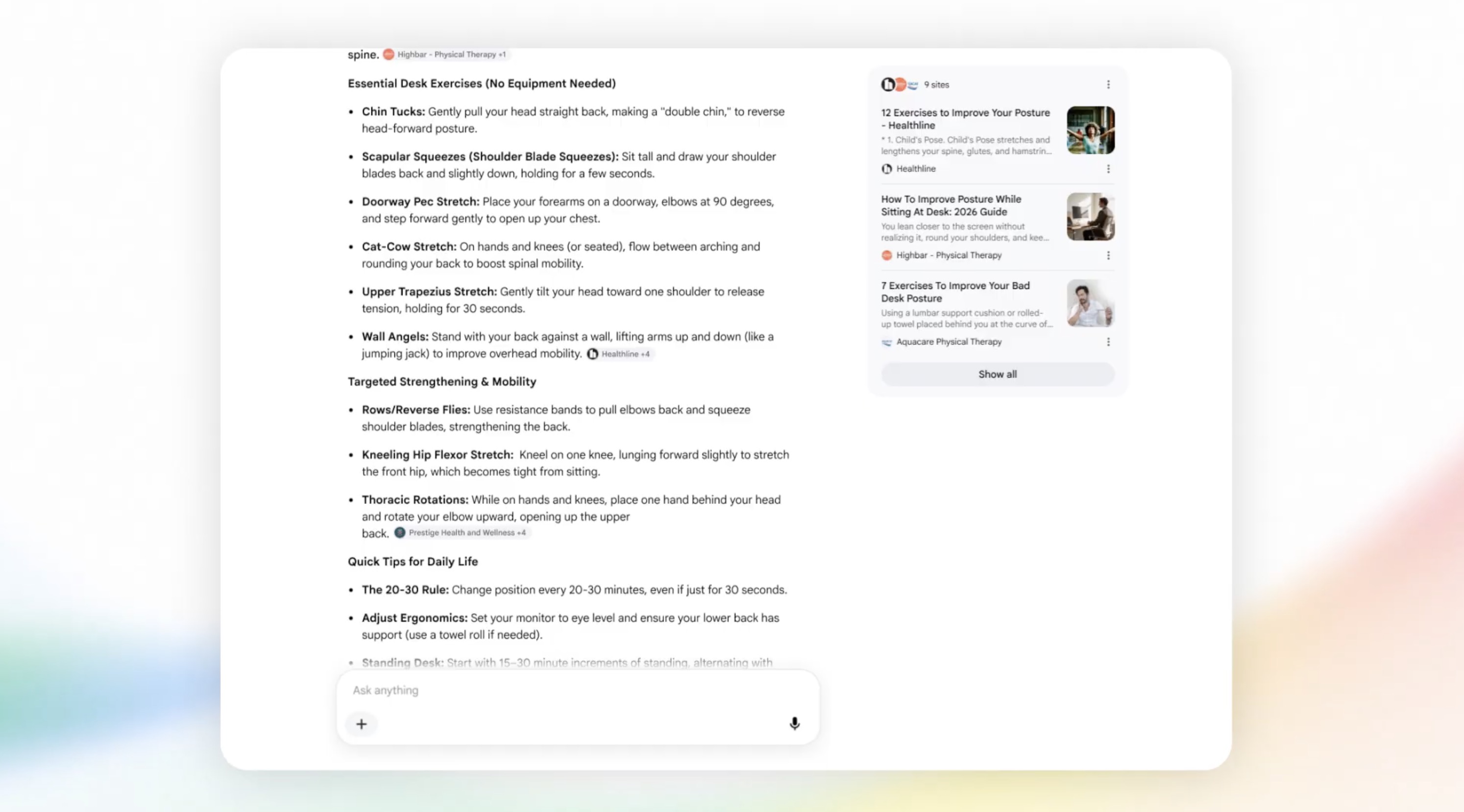
The era of traditional search engine results pages is reaching its endgame. Google is fundamentally transforming Google Search from a simple directory of blue links into an immersive, AI-powered experience defined by conversational answers and autonomous agents.
This massive pivot signals a shift in how users interact with information, moving away from browsing websites and toward consuming synthesized content directly on the search page.
The Shift Toward AI-Powered Search Experiences
Google's evolution focuses on replacing traditional navigation with interactive interfaces. Instead of clicking through various sites to find an answer, users are increasingly met with direct, AI-generated summaries. This new landscape includes:
- Conversational Answers: Generative AI that answers complex queries in real-time.
- Autonomous Agents: Tools capable of performing tasks and navigating information on behalf of the user.
- Integrated Interfaces: A seamless blend of search functionality and generative content.
As these features become the standard, the core utility of Google Search changes from a gateway to the web into a destination in its own right.
Impact on Web Traffic and Publishers
While this evolution offers a more streamlined user experience, it presents a significant challenge for digital creators. By providing comprehensive answers within the search interface, Google risks creating a "zero-click" environment.
When Google Search provides the full answer via an AI summary, users have less incentive to click through to the original source. This shift could drastically reduce organic traffic for news outlets, bloggers, and publishers who rely on search engine visibility to sustain their businesses.
As the platform moves toward a more autonomous model, the relationship between search engines and content creators will require a total rethink to ensure the web remains a viable ecosystem of information.