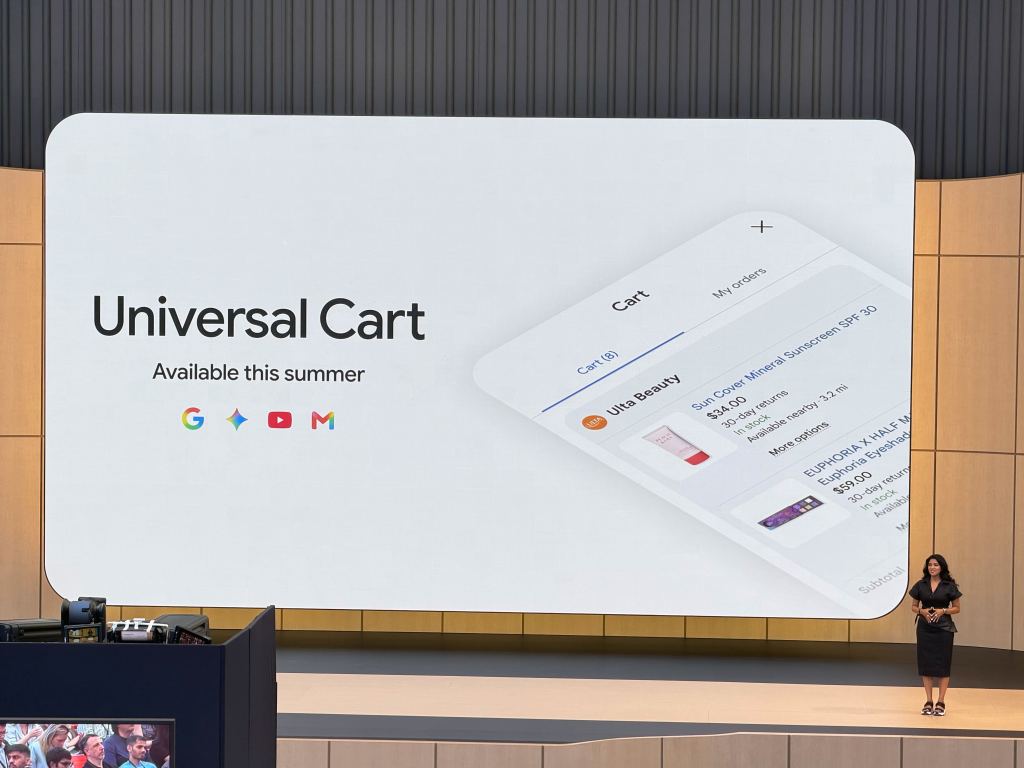
Google is fundamentally rewriting the e-commerce playbook with its new Universal Cart, an ambitious system designed to track consumer intent across the entire digital landscape. By creating an always-on shopping ledger, Google aims to aggregate everything from niche forum browsing to YouTube reviews into a single, centralized stream of consideration. This shifts the traditional path to purchase into a seamless, automated workflow managed by generative AI.
Centralizing Commerce Through Agentic Hubs
Unlike a standard wishlist, Universal Cart acts as an intelligent intermediary in the transaction lifecycle. It functions as an agentic hub, gathering items from Google Search, Gemini chats, and YouTube feeds into one persistent container. This moves the platform from a passive list to an active participant that can perform background tasks without constant user intervention.
The intelligence driving this system goes far beyond basic price tracking. Using generative AI, the cart provides proactive problem-solving and consultation:
- Product Compatibility: The system cross-references components to prevent errors.
- Intelligent Alternatives: If a part is incompatible, such as a motherboard not matching a CPU, the AI flags the issue and suggests viable replacements.
- Automated Reasoning: It elevates simple aggregation into active, high-level shopping consultation.
The Technical Backbone: UCP and AP2
To power this level of integration, Google is introducing two critical technical advancements: the Universal Commerce Protocol (UCP) and the Agent Payments Protocol (AP2). These protocols handle the complex connectivity and financial requirements of a cross-platform shopping experience.
The UCP acts as an open standard, allowing users to add items within the Google ecosystem and then check out either through Google or directly on a merchant's native site. While initial rollouts focus on consumer electronics, the scope is expanding rapidly into hotel bookings and local food delivery.
However, the real power lies in AP2, which dictates how AI agents execute purchases on behalf of a user. This protocol relies on three core pillars:
- Controlled Execution: Users set strict guardrails regarding specific brands, product types, and maximum spend limits.
- Verifiability: AP2 maintains a transparent, immutable link between the consumer, merchant, and payment processor.
- Audit Trail: Every transaction creates a tamper-proof digital record, providing an indisputable paper trail for returns or disputes.
Reshaping Consumer Trust and Data Visibility
The introduction of Universal Cart presents a dual narrative of extreme convenience versus massive data visibility. While the ability to track price drops and flag compatibility issues solves major user pain points, it also grants Google unprecedented insight into consumer decision-making processes.
This system allows Google to see what users are considering long before they actually commit to a purchase. This deep level of insight represents a significant consolidation of influence within the digital shopping funnel. By tying AI agency directly to spending authority through AP2, Google turns explicit user permission into automated financial actions executed by digital agents.
The rollout will begin in the U.S. via Search and Gemini, eventually expanding to YouTube and Gmail. As these tools become embedded across the web, they create a persistent, AI-managed layer over global commerce, marking a shift from simple recommendation engines to fully autonomous transactional workflows.