GoPro's New Mission 1 Cameras Have 8K Video and Interchangeable Lenses
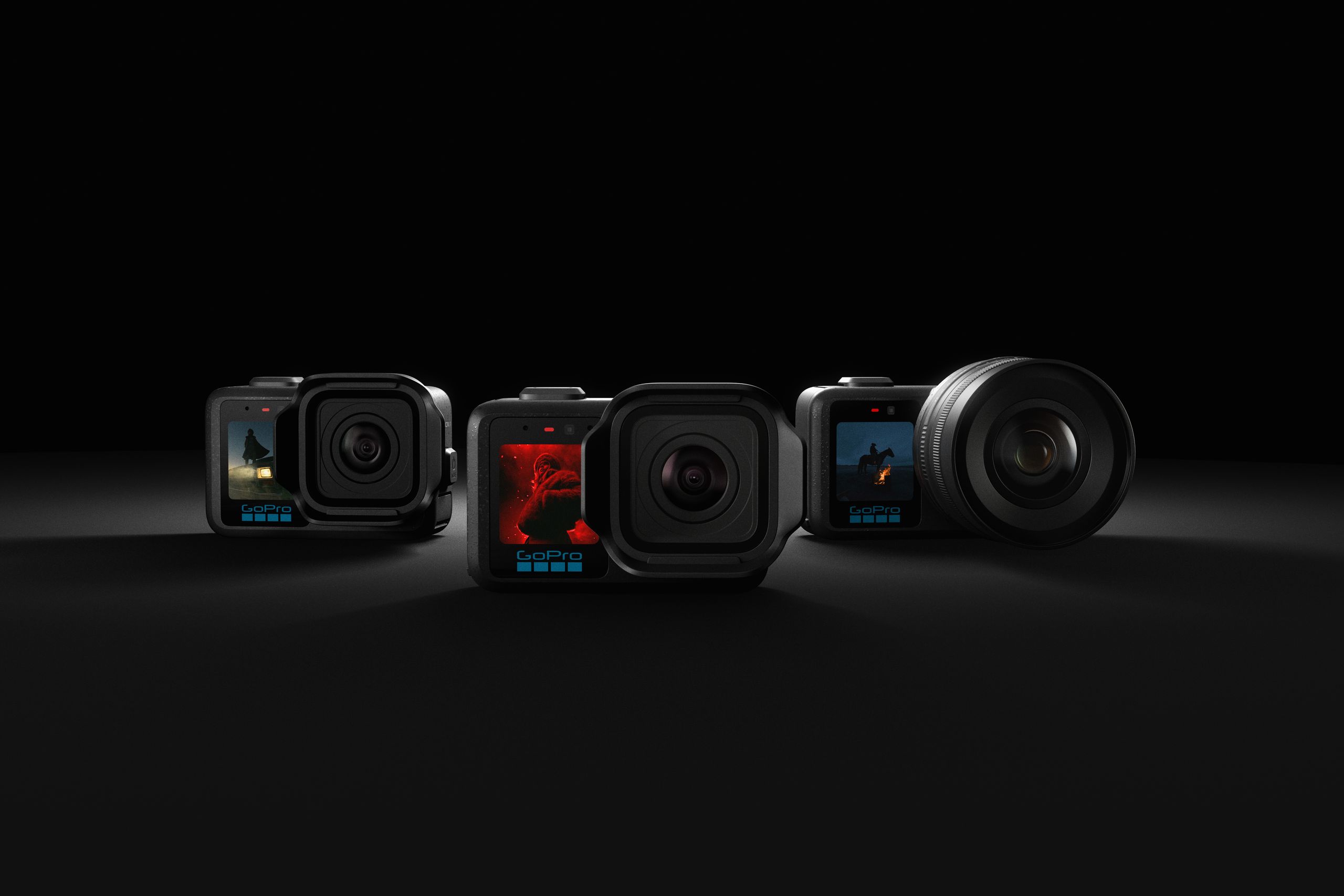
The moment the shutter engages, the 8K video recording indicator flickers to life, transforming a rugged action camera into a compact cinema rig capable of capturing light levels previously unheard of in this form factor. GoPro has officially pulled back the curtain on its Mission 1 series, a trio of high-end devices designed not just to survive extreme environments but to dominate professional production workflows. With features that blur the line between standard action cams and full-frame mirrorless cameras, the new lineup marks a pivotal shift for the brand.
This release confirms what many have hoped for: the arrival of GoPro's New Mission 1 Cameras with true interchangeable lenses and cinema-grade resolution. By integrating these advanced capabilities into a durable chassis, GoPro is redefining the standard for portable filmmaking tools.
The Sensor Revolution in Action Camera Form
At the heart of this new generation lies a game-changing hardware shift: a massive 1-inch sensor, the largest ever integrated into an action camera. This leap in imaging technology, paired with GoPro's latest GP3 processor, directly addresses the company's historical Achilles heel—poor low-light performance. While competitors like DJI and Insta360 have long held the crown for night-time usability, the Mission series promises a dynamic range of up to 14 stops, a figure that now rivals dedicated full-frame cinema cameras.
This hardware foundation enables the capture of detailed footage in challenging conditions where previous generations would have descended into digital noise. The processing power translates to an impressive array of frame rate options across three distinct models:
- The base Mission 1 shoots up to 8K video at 30 fps, with slow-motion capabilities reaching 4K at 120 fps or 1080p at a staggering 480 fps.
- The upgraded Mission 1 Pro pushes the envelope further, delivering 8K video at 60 fps and capturing 4K slow motion at an ultra-slow 240 fps.
- An extreme burst mode allows for 1080p recording at 960 frames per second in ten-second bursts on the Pro models, freezing moments invisible to the naked eye.
To maximize the utility of this new sensor data, GoPro introduces GP-Log2, a 10-bit color profile that preserves dynamic range for extensive post-production grading. This addition empowers filmmakers to push the limits of color correction without destroying image integrity, moving away from the baked-in, high-contrast look that has defined action camera footage for over a decade.
Interchangeable Lenses and Professional Connectivity
The most radical departure in the Mission 1 lineup is found in the Mission 1 Pro ILS, which abandons fixed optics entirely for a Micro Four Thirds (MFT) lens mount. This feature transforms the device from a simple point-and-shoot action camera into a versatile hybrid cinema tool, allowing users to attach a wide array of high-end glass ranging from ultra-wide prime lenses to telephoto zooms. While this configuration inevitably adds bulk with cages and external monitors, the resulting rig remains significantly smaller and lighter than traditional cinema cameras while retaining 8K resolution on a large sensor.
Even the fixed-lens models see substantial optical improvements, featuring an updated lens design that offers a 159-degree field of view. This makes them the widest standard lenses currently available on any action camera, edging out the Hero 13 Black's 156-degree limit and expanding the cinematic potential for POV shots without requiring external mod attachments.
Connectivity options are equally robust, catering to serious production needs:
- A dedicated micro HDMI port allows for clean video output to external recorders or monitors.
- The new Media Mod kit integrates a directional microphone while retaining 3.5mm inputs for both microphones and headphones.
- A specialized timecode line-in port ensures perfect synchronization across multiple camera setups, a necessity for professional productions.
- Support for ND filters and lens hoods provides physical light control without relying solely on digital adjustments.
Power, Durability, and the Road to Market
Battery life has historically been a pain point for high-resolution video recording, but GoPro claims the new Enduro 2 battery offers a significant reprieve. The company states the upgraded cells can deliver over three hours of continuous shooting at 4K 30 fps, with nearly an hour possible when pushing the camera to its 8K limit. In a strategic move for ecosystem compatibility, these batteries are also backward compatible with the Hero 13 Black, and vice versa, ensuring that existing gear owners can upgrade their endurance without replacing their entire toolkit.
The series introduces several new shooting modes tailored to specific scenarios, including a dedicated dive mode optimized for underwater color correction and a low light mode that dynamically adjusts settings to maximize clarity in dim environments. For photographers who rely on the device as a secondary stills camera, the sensor supports 50-megapixel RAW images, complete with manual controls over ISO, shutter speed, white balance, and exposure compensation. Users can also extract high-resolution stills directly from 8K video footage using the companion Quik app or external editing software.
Despite the impressive specifications, GoPro has withheld pricing details, which will be revealed when preorders open on May 21 for the Mission 1 and Mission 1 Pro models. The Mission 1 Pro ILS, along with specialized bundles, is scheduled to arrive later in the year during Q3. This staggered release suggests a complex manufacturing process or supply chain considerations for the interchangeable lens variant.
The industry has watched GoPro struggle to maintain its lead against agile competitors who have innovated faster in areas like stabilization and low-light performance. With the Mission 1 series, the company is no longer playing catch-up; it is redefining what an action camera can be. By integrating cinema-grade sensors, interchangeable glass options, and professional audio/video connectivity into a rugged chassis, GoPro has laid the groundwork for a new category of hybrid production tools. Whether this hardware resurgence translates to market dominance remains to be seen once the final price tags are revealed.