Gothic 1 Remake Review So Far
As the years go by and current hardware becomes increasingly incompatible with the past, Gothic 1 gets harder and harder to play, making it the perfect target for a remake. The 2001 RPG is a cult classic for a reason, ahead of its time in worldbuilding and nuanced NPC interactions. I'm about halfway through Gothic 1 Remake now (review codes were only sent out four days before release), and while it has so far pulled the original into the near-modern era in terms of presentation and controls, it doesn’t touch much else. This is a mixed blessing. It’s great because Gothic already forced a higher level of engagement and immersion out of us, refusing to hold your hand in a way that still resonates in 2026 – but it was also often challenged and overshadowed by the poor quality of its story, the pacing of quests, and shallow combat, and none of that has changed either.
I first played Gothic soon after my time with The Elder Scrolls 3: Morrowind, which came out around the same time. I immediately identified them as similar games in many ways, but different in at least one stark one: while they are both dense worlds designed to get lost in with lots of mysteries to find and foes to fight, Morrowind invited and encouraged me to fulfill my destiny as the hero of this clandestine peninsula, while Gothic couldn’t care less about my survival, my progress, or my fun.
Ironically named the Hero, you’ll spend much of the first half of Gothic feeling like anything but. From the moment you are dumped into The Colony, a work camp and open air prison surrounded by a magical one-way barrier, you are met with tribulations as grand as the complicated political climate that the survivors here live in and as small as the tiny critters that can one-shot you in combat if you’re not careful. This remake’s best upgrade is easily how it looks and sounds. Gothic had a unique style even back in 2001. It was the definition of “doing a lot with a little,” thanks to low-poly models with muddy details arranged and colored in ways that really evoked a sense of place many bigger budget games didn’t. The forests have big trees that block out the light from the sun, which is a huge contrast to the brick and mortar ruins where people are making new lives. All of this has been enhanced, with modern lighting and models that make the old castles and caves of the Valley seem more like real places. The grassy and rocky lands that make up the uncivilized spaces between The Colony’s settlements look verdant and appropriately wild now.
The sound design was always strong, too, especially in the sound effects and ambient nature noises. All of those are more robust than ever, even if the droning background music selection isn’t all that special. But the best enhancement is the completely revoiced script. The original Gothic had some abysmal voice acting and this remake does a great job upping the bar to at least “good.”
Training Days
Gothic’s difficulty is baked into its design in ways that aren't simply enemies that hit you hard. It starts with how little you are even told about how to play. The remake does you a favor the original didn't, including a small glossary of important controls for how to do basic things like pick up items and attack with bows. Otherwise, most of what you learn comes from trial and error. For instance, the lockpicking minigame, though not overly difficult to understand, is something you just have to throw yourself against until you get it, even if it means wasting a ton of picks. Thankfully, the modernized control scheme and the inclusion of controller support help sand down some of the early game edges that came from a basic inability to interact with the world around you correctly, which does get you off the blocks and into the ore mining rat race more quickly.
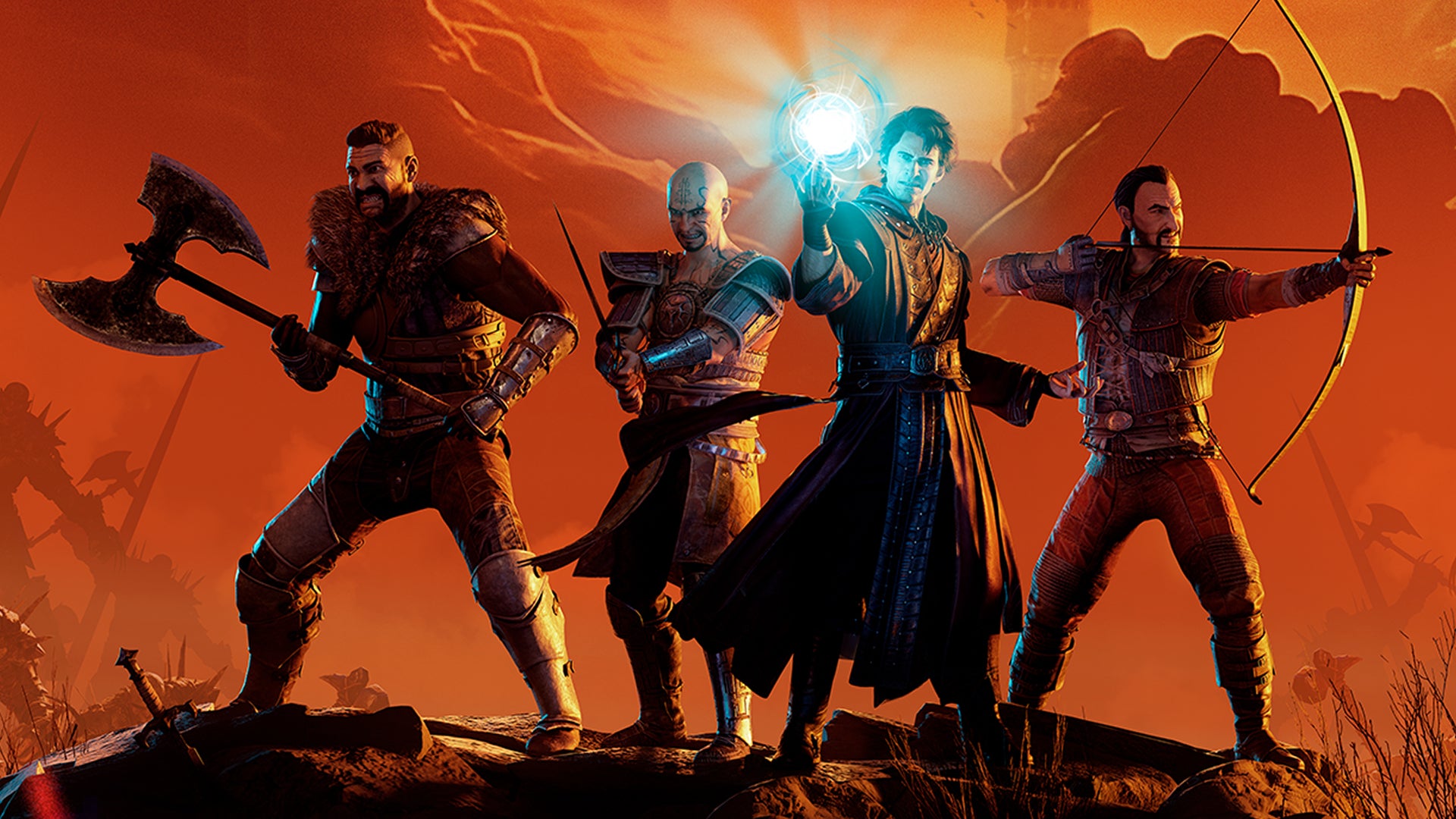
Combat also benefits from the revamped controls, making it easier to swing and hit enemies. This does not make combat easier overall, however, which is still just as dangerous as it was 25 years ago. Your hero starts off weak, and even lowly molerats can send you to the game over screen in a hit or two. Leveling up gets you Learning points you can spend at trainers to raise your stats, which goes a small but gradual way towards making you dangerous in your own right. Once you get better gear, you stand a better chance, but weapons of any real note can be a big investment early and armor even moreso, the latter being the biggest factor in surviving more than a few blows. You'll be pretty bad at handling any weapon you pick up without training. It's cool to see the difference between wielding a one-handed weapon untrained vs trained (or eventually mastered). Untrained, you clutch a short sword with both hands for dear life, flailing awkwardly with every swing, while trained attacks can flow into combos with the proper timing, and can critically hit enemies. This is a fun example of a game’s storytelling goals being met both with interactive and non-interactive elements at the same time, but it still means that melee combat feels bad for a large chunk of the early game, only getting better if you can scrounge together enough money and save up a couple of levels worth of Learning points to get trained. And even after that investment, while the act of swinging a sword feels better, the actual action never evolves beyond standing in front of bad guys and bashing them until you or they are dead.
Leaning on ranged attacks from a bow or crossbow is the safest (and most costly) early game option, and though training makes your shots more accurate over long distances, it's an approach that evolves even less than melee. Magic does help both of these strategies, with offensive spells that are just better ranged attacks like fireballs, or support options that can change the size of enemies or summon monsters to help you out. Some of these spells can even have out-of-combat utility, like transforming yourself into a bloodfly so that you can sneak around or avoid detection.