A New Era for European Defense Tech
The landscape of military technology is shifting rapidly, and Daniel Ek-backed defense tech Helsing to raise $1.2B at $18B valuation marks a pivotal moment in that evolution. This massive funding round signals a profound shift in how venture capital views national security, moving from traditional hardware giants to agile, software-defined autonomous systems.
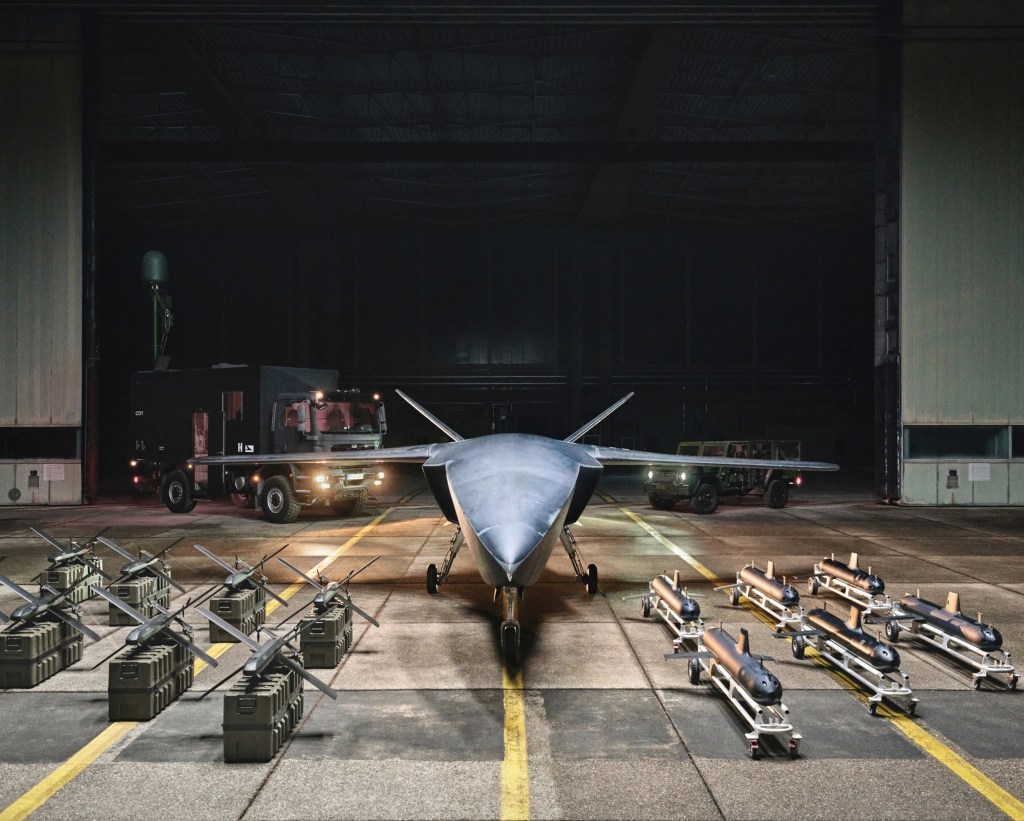
Helsing, a leading European military drone startup, is set to close this historic deal, demonstrating how rapid technological advancement is reshaping defense capabilities worldwide. The scale of this investment underscores the urgent demand for next-generation unmanned platforms amidst heightened global instability.
The Scale of the Investment
Helsing seeks to finalize a $1.2 billion funding round at an staggering $18 billion valuation. This figure represents a significant leap in confidence from the investment community, which is increasingly betting on autonomous defense solutions as a critical component of modern warfare.
The round is led by Daniel Ek, the founder of Spotify, whose involvement highlights the crossover appeal of deep-tech startups to prominent tech entrepreneurs. Lightspeed Venture Partners co-led the effort, reinforcing Helsing’s strategic positioning within the broader European tech ecosystem. This combination of high-profile tech leadership and established venture capital provides the startup with unparalleled resources.
Historical Context and Growth
This latest valuation represents a dramatic escalation from Helsing’s previous financial milestones. In June 2025, the company raised just under €600 million at a €12 billion valuation (approximately $14 billion). The jump to $18 billion reflects not only the startup’s operational progress but also the accelerating market momentum in the defense tech sector.
Investors are drawn to autonomous systems for several key reasons:
- Urgent Demand: The ongoing conflict in Ukraine has created an immediate, real-world testing ground for drone technology, accelerating adoption.
- Technological Maturity: Drones are now capable of handling complex missions that were previously limited to manned assets.
- Scalability: Modular designs allow for rapid adaptation across various roles, from surveillance to strike operations.
Competitive Landscape and Market Drivers
While Helsing leads the pack in valuation, the European defense tech sector is becoming increasingly crowded. Competitors include German drone maker Quantum Systems, which holds a valuation of over €3 billion, and the UK’s Tekever, valued at over £1 billion. However, Helsing stands out as the most highly valued firm in the region, leveraging its early-mover advantage in autonomous AI integration.
Why Capital is Flowing to Defense
The surge in investment is not merely speculative; it is driven by tangible geopolitical and technological shifts:
- Geopolitical Uncertainty: Rising tensions globally are fueling investment in autonomous defense tools that can operate with minimal human risk.
- Asymmetric Advantages: Autonomous systems offer superior speed, endurance, and risk reduction compared to traditional platforms.
- National Security Imperatives: Europe is actively seeking to reduce its reliance on traditional, often non-European, defense suppliers, making local innovation critical.
Future Implications for Global Defense
The capital raised by Helsing will likely expand its R&D pipeline and enhance its manufacturing capacity. This expansion is crucial as the company aims to solidify its role in shaping the next generation of defense architecture.
Shaping Next-Generation Procurement
As Europe seeks to modernize its military capabilities, the success of companies like Helsing could alter procurement strategies across the continent. The $18 billion valuation underscores the sector’s perceived potential to disrupt established defense paradigms globally.
Leading funds recognize that autonomous systems offer asymmetric advantages in speed, endurance, and risk reduction. By backing Helsing, investors are positioning themselves at the forefront of a sector where commercial viability intersects directly with national security. With Daniel Ek’s backing, the startup is poised to set new benchmarks in efficiency and performance, potentially redefining how modern conflicts are waged and supported.