The proliferation of dedicated gaming stations has transformed home office furniture into highly specialized ecosystems, demanding extreme utility alongside aesthetics to support marathon play sessions. Herman Miller’s entry into this burgeoning category with the Coyl Standing Desk aims to bridge the gap between ergonomic professionalism and intense digital performance requirements. This model represents a tangible effort by an established design powerhouse to capture market share in a segment historically dominated by aggressively styled, niche gaming brands.
Advanced Cable Management for Battle Stations
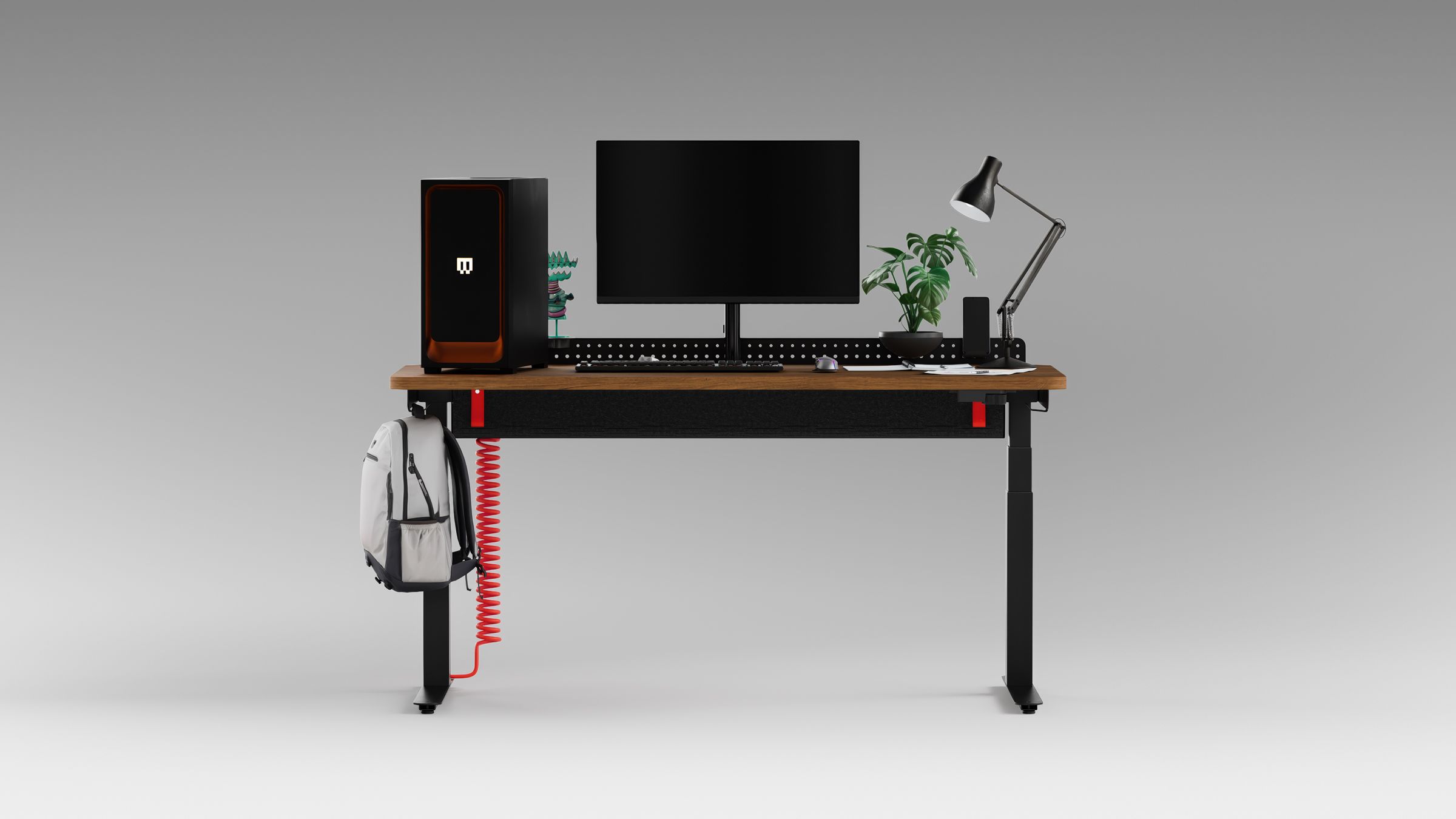
The sheer density of peripherals required for modern PC gaming—ranging from high-refresh-rate monitors to streaming interfaces and specialized input devices—creates an unprecedented cabling challenge. Traditional desk setups often result in unsightly cable spaghetti snaking across the floor or cluttering the workspace’s rear panel, which can detract from both focus and aesthetics. The Coyl Standing Desk addresses this through a deep, integrated trough designed unusually wide to accommodate entire arrays of necessary infrastructure rather than just a few power strips.
This design is significantly more robust than the basic cable pass-throughs seen elsewhere on the market. Furthermore, the integration allows users to access this hidden network of wires from the front via a felt cover lift, mimicking an accessible maintenance point found in complex machinery. By prioritizing the "invisible" side of gaming setup management, Herman Miller provides a solution for enthusiasts who demand a clean, professional environment.
Precision Mechanics and the Coyl Design Philosophy
Beyond pure utility, the desk emphasizes tactile interaction through its unique mechanical elements. Adjusting height no longer relies on conventional levers or paddles; instead, it employs a distinctive rotary dial. This mechanism offers granular control, allowing for minute height adjustments that resonate with the precision-obsessed nature of competitive gaming. The feedback derived from turning this dial provides a sensory experience that far exceeds simple button toggles found on budget standing desks.
Complementing this refinement is the desk's namesake feature: the coil cable management system. Rather than allowing the power cord to drape loosely between outlets and the unit, the coiled design keeps electrical connections taut and orderly. This lends a clean, deliberate look inspired by vintage electronics while ensuring that cables do not snag during height transitions.
The modularity of the desk is further enhanced through several integrated features:
- Integrated Power & Control: A centralized power strip powered via the neat coil connection keeps all electricity sources organized.
- Built-in Hooks: Side hooks provide immediate access to essential items like headphones or gear bags.
- Expandable Surfaces: An optional pegboard back panel transforms the rear into a modular storage zone for controllers, tools, or decorative elements.
Analyzing Form Factor vs. Functionality in Gaming Furniture
While the Coyl is undeniably sophisticated, its approach marks a subtle departure from current market leaders who embrace maximalist RGB and overtly aggressive styling cues. Competitors often prioritize extreme visual integration—frequently featuring magnetic mounting points for lighting arrays or exposed rail systems for streaming gear. The Coyl Standing Desk opts instead for an understated, functional elegance, relying on the inherent quality of its components rather than sheer gadgetry.
The desk’s overall aesthetic reflects high-end office furniture adapted for gaming necessity, a hallmark of Herman Miller's design heritage. This pivot toward refined engineering over overt "gamer flash" means the product may feel more universal, appealing to professionals who game as much as they work. However, the longevity promised by the brand is clear, with base mechanics covered by a seven-year warranty, signaling a level of durability that few dedicated accessory brands can match.
The Coyl ultimately presents a compelling thesis: peak performance in modern computing requires not just raw power, but immaculate organization and intuitive interaction points. While other gaming setups chase the most visible features—the neon strip or the exposed rail—Herman Miller focuses on solving the persistent, invisible problems of clutter and mechanical finesse. For the enthusiast who values time-tested industrial design over fleeting aesthetic trends, this desk represents a premium, long-term investment in their digital workspace.