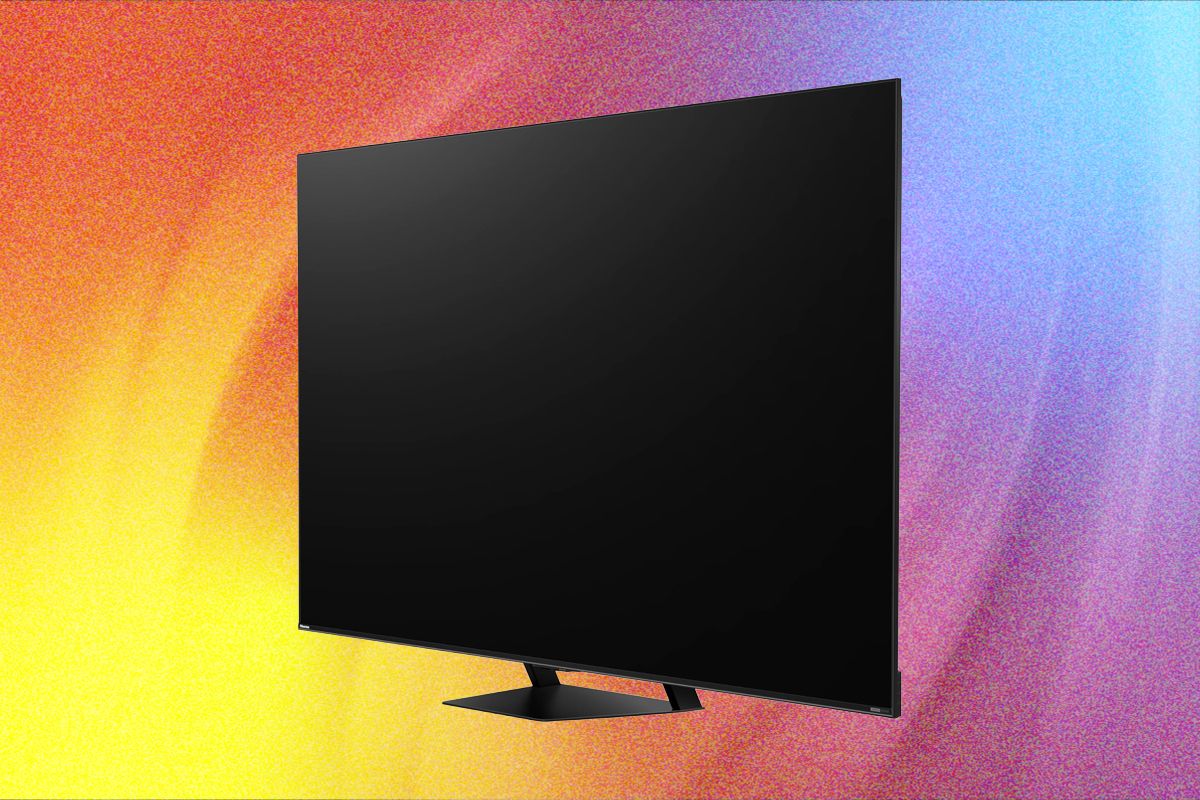
The matte finish on the Hisense U7SG's screen absorbs ambient light with a stubbornness that transforms a sun-drenched living room into a viable viewing space. Touching the heavy, industrial-grade stand reveals a departure from the flimsy plastic bases found on competitors at this price point, grounding the display with a sense of permanence. Watching Moana on this panel brings out the intricate textures of Maui's skin and the violet hues of the sunset, colors that pop with a saturation that belies its midrange positioning. Yet, shifting the viewing angle reveals the limitations of its QLED architecture, where contrast bleeds and colors wash out, a reminder that premium aesthetics do not always equate to premium optical engineering.
A Midrange Chameleon with Premium Ambitions
Hisense has positioned the U7SG at a critical juncture in its lineup, offering a chassis that mimics the industrial design language of Samsung's top-tier QN90 and S95 series. The new stand alone adds significant weight to the 65-inch model, requiring a six-screw assembly that demands patience but results in a rock-solid foundation. This rugged build quality is complemented by a matte-like anti-reflective screen that does an admirable job keeping reflections at bay, a feature usually reserved for higher price brackets.
However, the U7SG exists in the shadow of Hisense's own upcoming RGB LED technology. The brand's step-up model, the UR8, is set to introduce RGB backlights that promise even more vibrant colors and higher brightness levels. This looming release casts a shade of FOMO over the U7SG, which relies on traditional blue or white Mini-LED backlighting. At a price point of $1,500 for the 65-inch variant, the TV sits in a competitive middle ground where it must justify its existence against both cheaper alternatives and the imminent arrival of more advanced displays.
The visual experience is undeniably striking when viewed head-on. The TV's clarity has improved significantly, capturing intricate details that previous generations might have blurred. Colors remain vibrant without the aggressive oversaturation that plagued earlier models, offering a more restrained approach that keeps the image from becoming painful to the eyes. While it does not quite match the pixel-perfect accuracy of an OLED, the Mini-LED backlighting delivers deep black levels and enough brightness to handle even the most demanding HDR content.
Brightness Wars and Color Restraint
The U7SG enters the ongoing brightness wars with enough firepower to outblast streaming content by a factor of three, making it a compelling choice for those who watch a lot of high-quality media. The high brightness is matched by deep black levels, though viewers may notice some "blooming" or "haloing" around bright objects on dark backgrounds, a common trait in budget-friendly Mini-LED panels. The picture processing is impressive, particularly with Dolby Vision content, where the TV recommends the "Dark" mode for most streaming scenarios.
Default settings, however, require careful calibration to avoid visual artifacts. The local dimming, set to "High" out of the box, can create strange highlight artifacts on gray backgrounds, a flaw best corrected by switching the setting to "Low." Additionally, the Dynamic Tone Mapping feature, specifically the "Details Preferred" setting, can make high-octane action sequences like those in Mad Max: Fury Road look stiff and stilted, almost resembling animation rather than live-action footage. Turning this feature off restores the natural fluidity of motion, though it requires a level of technical engagement that casual viewers may find tedious.
The TV's shortcomings become more apparent when viewing angles are compromised. Moving off to the side reveals washed-out contrast and uneven backlighting, often referred to as the "dirty-screen effect." This was particularly noticeable during scenes with large blocks of color, such as the green backdrop in a golf broadcast. Furthermore, the default picture modes often look bizarre, with Filmmaker mode emerging as the safest bet for accuracy, albeit with a slight boost to backlight brightness to combat the TV's tendency to flatten shadows in dark scenes.
Gaming Arsenal and the Google TV Quirks
For gamers, the U7SG offers a robust feature set that punches well above its weight class. The TV supports VRR (Variable Refresh Rate) up to 165 Hz at 4K resolution, a specification that is more than sufficient to eliminate jerky motion in fast-paced titles on PS5 or gaming PCs. All four HDMI ports support the latest gaming features, ensuring that users do not have to worry about running out of connectivity options for next-gen consoles. The gaming bar provides quick access to adjustment settings, making it easy to tweak parameters on the fly without diving deep into the menu system.
The software experience, powered by Google TV, is a mixed bag of speed and friction. The interface itself is the swiftest version tested, with snappy response times and an intuitive layout for managing favorite apps. However, the new Google TV app on smartphones has proven less reliable, failing to connect to the TV during initial setup in some instances. Users may find themselves relying on the long-wand remote for most interactions, though the core streaming performance remains solid with zero flubs over extended testing periods.
- Stand Quality: Heavy, industrial base with a six-screw assembly that provides stability and a premium look.
- Screen Technology: Matte anti-reflective coating effectively reduces glare in bright rooms.
- Gaming Specs: 165Hz VRR support and full HDMI 2.1 feature set on all ports.
- Sound Quality: Dual woofers deliver solid audio, though a soundbar is still recommended for immersion.
- Software Quirks: New Google TV app connectivity issues and default picture modes requiring manual tweaks.
The Hisense U7SG is a TV that demands attention but also requires patience. It offers a sleek design, blinding brightness, and excellent gaming support that makes it a strong contender in the midrange market. However, the presence of off-angle viewing issues and the need to adjust default settings to avoid visual artifacts means it cannot be recommended blindly. With Hisense's upcoming RGB LED technology on the horizon, the U7SG will likely see price drops soon, at which point it will become an even more attractive option. For now, it is a solid buy for those who need a powerful display immediately, provided they are willing to invest time in calibration.