Making its debut at the 2026 Cannes Film Festival, Hope stands as one of the most confounding and electrifying entries to compete for the Palme d’Or. Director Na Hong-jin delivers a rip-roaring Korean creature feature that feels less like a standard genre piece and more like a gonzo spectacle. While its idiosyncratic structure suggests it may have been trimmed from a much longer, more labyrinthine epic, any perceived flaws only add to its "How the hell does this even exist?" energy.
The film shares a certain kinetic DNA with masterpieces like Mad Max: Fury Road. Much of the action unfolds on highways at breakneck speeds, with characters leaning out of vehicles and practically kissing the pavement in a display of pure cinematic adrenaline.
A High-Octane Creature Feature Set in Hope Harbor
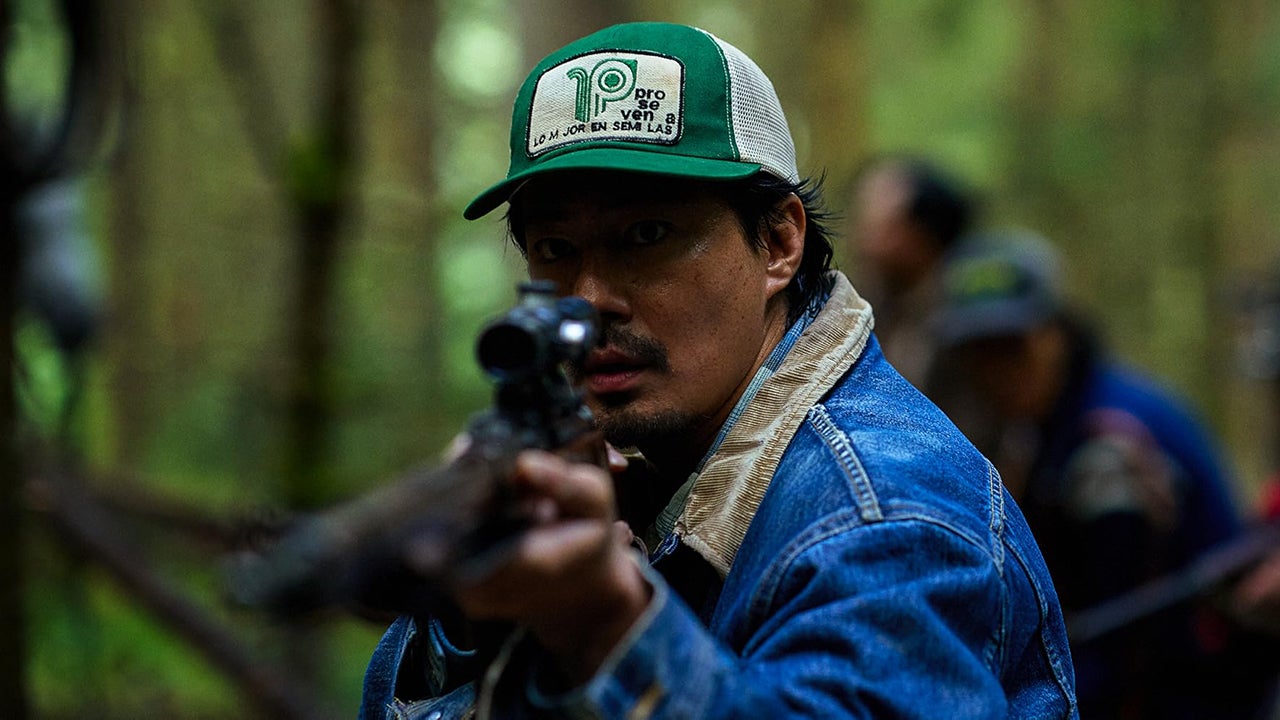
Set along the DMZ in the South Korean border town of Hope Harbor, this Hope review must highlight how the film distinguishes itself from other monster movies like Bong Joon Ho’s The Host by utilizing a rural landscape. The chaos begins when police chief Bum-seok (Hwang Jung-min) and several armed locals investigate a massive bull carcass found on an open road. Before they can grasp the mystery of the oversized claw marks, carnage engulfs the township.
For the first hour, the film is a relentless pursuit through debris and tumbling cars. The cinematography oscillates between two distinct styles:
- The dizzying, supernatural terror seen in Na Hong-jin’s previous work, The Wailing.
- Gritty, low-to-the-ground chase sequences reminiscent of William Friedkin’s The French Connection.
While the film eventually reveals its monsters—played via performance capture by an impressive ensemble including Alicia Vikander, Michael Fassbender, Cameron Britton, and Taylor Russell—the tension remains highest when the threats are unseen. Even if the malformed CGI isn't strictly Hollywood-standard, Na Hong-jin uses digital tools to create a marvelous, stop-motion-esque aesthetic that feels entirely unique.
Social Paranoia and Alien Designs
The extraterrestrials in this Hope review standout are far from predictable. Rather than offering a single design template, the film presents a variety of creatures that complicate the viewer's understanding of their humanity:
- Elegant and regal entities.
- Puzzling constructions of flesh, bone, and wood.
- Visceral, Giger-esque horrors that linger in the uncanny valley.
Beyond the spectacle, the film utilizes its setting to weave in subtle social commentary. By placing the story on the border with North Korea, Na Hong-jin evokes the cultural paranoia found in Cold War science fiction. The constant warnings against spies and grenades mirror the fear of invasion, manifesting in a town where every citizen seems unexpectedly armed to the teeth.
This sense of rot is palpable throughout the film. Death arrives with an unnatural speed, leaving scenes drenched in squelching practical effects and buzzing insects. It creates a sickly, high-stakes atmosphere where every burst of gunfire feels like a desperate struggle against inevitable decay.
Ultimately, Hope is a deluge of sound and image that hasn't been matched in large-scale sci-fi since Starship Troopers. It is a film that dares to balance wrenching internal conflict with unapologetic violence, proving that Na Hong-jin can toe a difficult tonal line while keeping the audience strapped in for the ride.