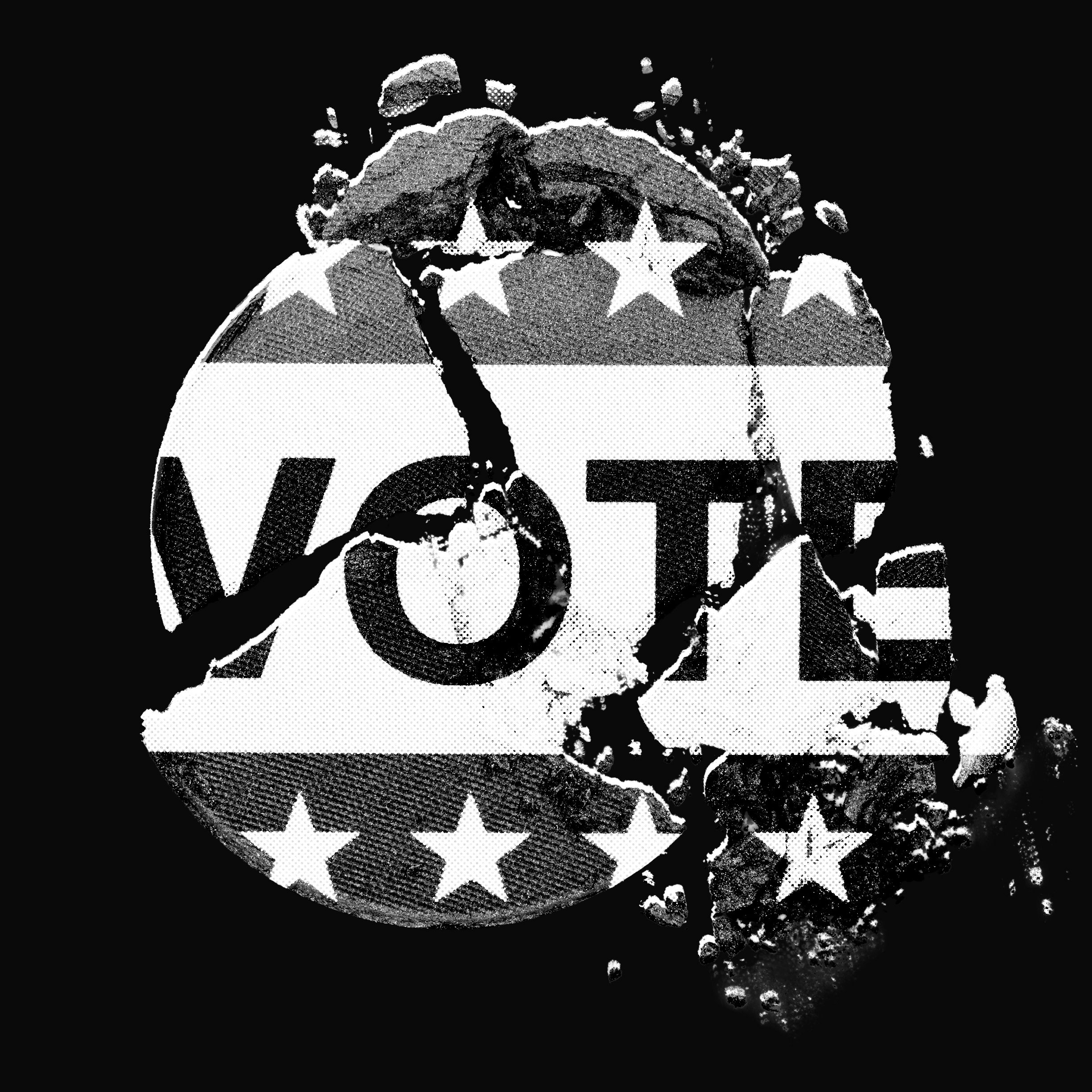
A 2023 report reveals a disturbing trend in how Trump weaponized the DOJ division that was originally designed to keep elections fair. The data shows that over 90% of federal courts during the Trump administration rejected Department of Justice lawsuits targeting voter suppression claims, even as the agency continues to dismantle its Voting Section at an alarming rate.
The Impact of How Trump Weaponized the DOJ Division
The DOJ's Voting Section is a vital pillar of the Civil Rights Division. Established following the 1965 Voting Rights Act, this unit has spent six decades enforcing national voting laws and ensuring equal access to the ballot, even when handling high-profile cases involving only a fraction of voters.
Replacing Expertise with Loyalty
The recent shift in personnel marks a departure from professional merit. For seven years, from 1998 to 2005, David Becker worked within the division, representing the United States in court to block discriminatory practices under the National Voter Registration Act. Now, more than two dozen experienced attorneys have been removed and replaced by political loyalists.
The consequences of this transition are significant:
- The removal of seasoned professionals is eroding long-term access to justice.
- The loss of institutional knowledge threatens the efficacy of future litigation.
- Legal battles over voter roll transparency are being won in court, yet partisan policy goals persist.
A New Era of Political Weaponization
The administration views the Voting Section not as a tool for protecting rights, but as a political asset. By replacing seasoned lawyers with politically aligned hires, the White House demonstrates how Trump weaponized the DOJ division to prioritize ideological consistency over legal precedent. This shift has left the division without its core mission: defending election integrity through legal channels rather than partisan pressure.
Former workers describe cases where voting rights directly impacted daily life—such as enabling a city to elect its first Black mayor—and now fear those outcomes may never recur. While courts have pushed back against efforts to access voter rolls, the administration remains defiant, treating election interference as inevitable policy rather than contested action.
As midterm elections loom, many fear that because Trump weaponized the DOJ division, the lack of legal oversight in voting rights could reshape democratic participation for decades. The removal of skilled professionals signals a broader strategy: replace justice with control, and continuity with crisis.