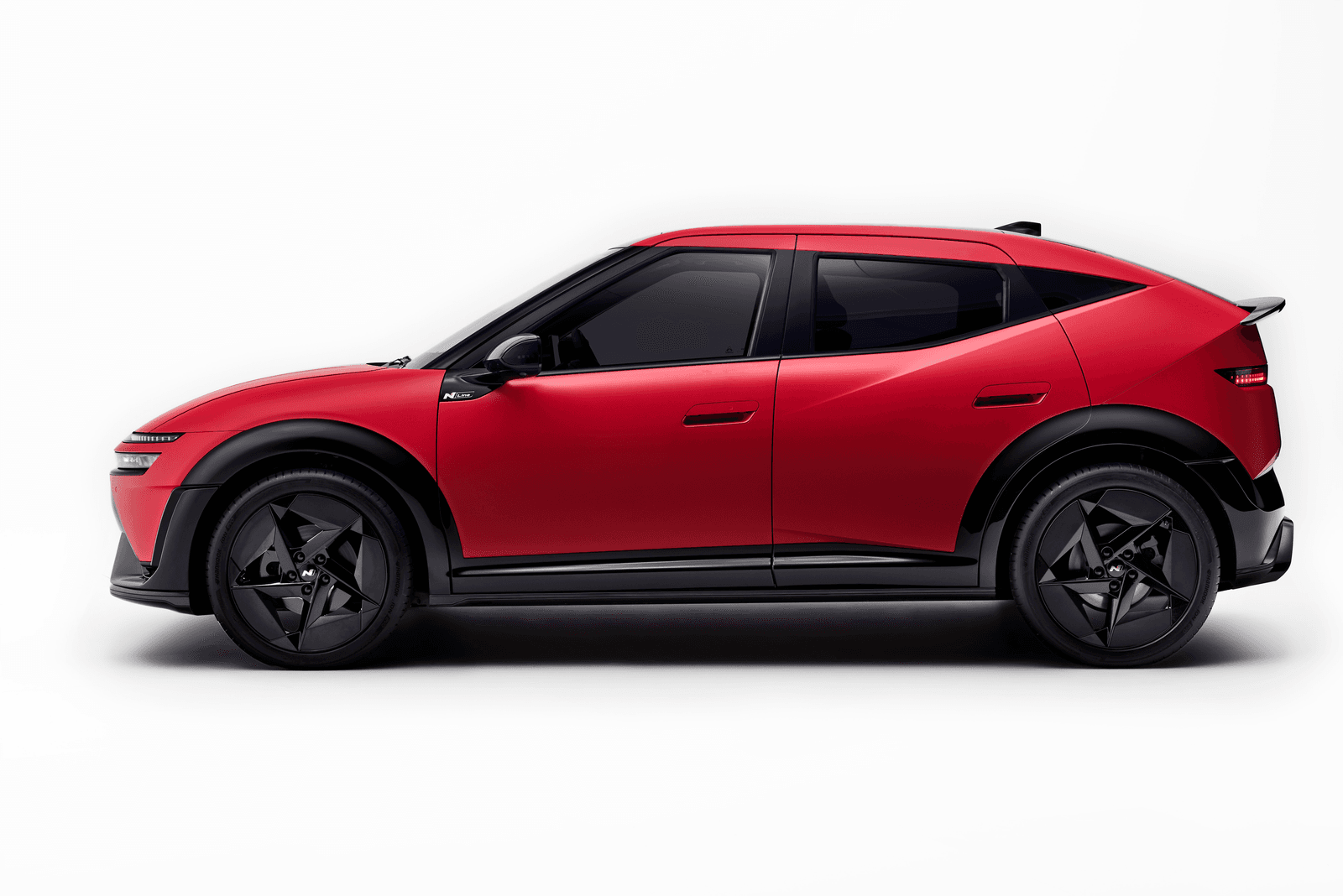
The Hyundai Ioniq 3 2026 is designed for the narrow, winding streets of modern urban centers, balancing extreme agility with high-efficiency aerodynamics. This vehicle isn't just another electric commuter; it represents a strategic attempt to redefine the compact hatchback segment through an "Aero Hatch" design philosophy. By prioritizing a low drag coefficient and clever space usage, Hyundai aims to bridge the gap between the entry-level Inster and the larger Ioniq 5 crossover.
Aerodynamic Engineering in the Hyundai Ioniq 3 2026
The silhouette of the car features a streamlined front end transitioning into a disciplined, straight roofline. This design choice contributes to a class-leading drag coefficient of 0.263 while simultaneously maximizing headroom for rear passengers. Such engineering precision is vital for an EV, where reducing wind resistance directly improves battery longevity and range stability.
Built on the group’s Electric-Global Modular Platform (E-GMP), the car utilizes a 400-volt architecture. While this lacks the ultra-fast 800-volt charging prestige found in the Ioniq 5 or 6, it represents a strategic move to lower production costs and maintain competitive pricing for the mass market.
Key technical specifications include:
- Drive Configuration: Front-wheel-drive (FWD) powertrain
- Power Output: Up to 107.8 kW (147 PS) with 250 Nm of torque
- Top Speed: Approximately 106 mph
- Standard Range Battery: Estimated 214 miles (WLTP)
- Long Range Battery: Estimated 308 miles (WLTP)
- Charging Speed: 10% to 80% in roughly 29 minutes via DC fast charging
A Digital-First Cabin and Smart Utility
Inside, the cabin moves away from traditional layouts toward a highly integrated digital cockpit. As the Hyundai Ioniq 3 2026 prepares for its European debut, it marks Hyundai's first European model to feature the Pleos Connect infotainment system. Built on Android Automotive OS, this system provides seamless navigation and third-party app integration via a 12.9-inch central display that can be upgraded to a 14.6-inch unit.
Crucially, Hyundai has resisted the industry trend of removing tactile controls. The cabin retains physical switchgear for essential functions like climate control, volume, and seat heating to minimize driver distraction. The interior utility is further enhanced by several clever storage solutions:
- Megabox: A concealed under-floor compartment capable of housing a full suitcase.
- V2L (Vehicle-to-Load): Capability to power external household appliances via internal or external sockets.
- Cargo Capacity: A generous 441 liters of trunk space.
The safety suite is equally comprehensive, featuring Highway Driving Assist 2, which provides Level 2 autonomy through automated lane changes and distance management. Standard features such as remote smart parking assist and blind-spot monitoring round out a package designed for high-density environments.
Global Competition and Availability
The arrival of the Ioniq 3 in Europe this September places it directly against established rivals like the Volkswagen ID.3, Volvo EX30, and Kia EV3. However, significant pressure may come from China. The rapid advancement of BYD’s Blade 2.0 battery technology, which promises much shorter charging windows, poses a legitimate threat to Hyundai’s market share.
Regarding availability, there is currently no confirmed launch date for the United States, though an American release remains a strong possibility given the high demand for affordable EVs in North America. With an estimated price point around $33,800 (£25,000), the Ioniq 3 is positioned as a serious contender for those seeking premium tech without the premium crossover price tag.