Uber’s evolution from a humble ride-hailing service into a multifaceted platform represents one of the most significant strategic shifts in recent tech history. For years, the company has spoken about becoming a super app, but its recent actions signal a tangible acceleration toward that vision. The race to own daily consumer routines is no longer a distant dream—it is happening now.
The Super App Ambition Takes Shape
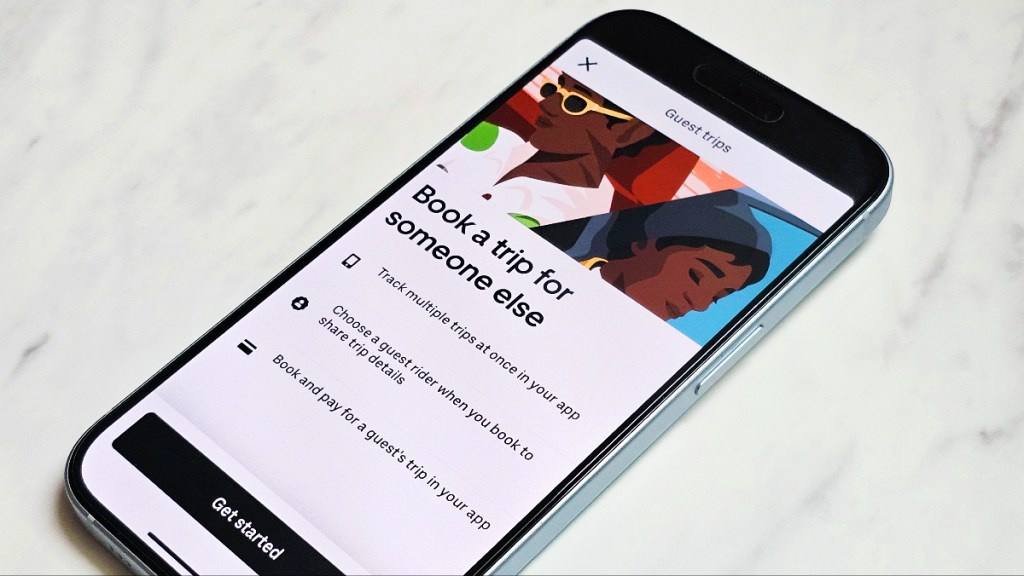
Uber’s latest announcements at its annual product event underscore a clear intent: expand beyond transportation to dominate the entire consumer lifecycle. This is not merely incremental growth; it is a calculated effort to increase user dependency and lifetime value. Key developments include:
- Hotel bookings via a partnership with Expedia Group, offering over 700,000 properties worldwide exclusively for Uber One members.
- Restaurant reservations through OpenTable, deepening integration with local dining services.
- Vacation rentals via Vrbo, planned for launch later this year.
- A "Shop for Me" feature that enables purchases directly from non-Uber platforms.
These additions are designed to create a seamless ecosystem where users rarely need to leave the app. By bundling these diverse services, Uber is attempting to replicate the sticky, all-encompassing nature of successful Asian super apps like Grab and Gojek.
Strategic Rationale Behind the Expansion
At the core of this strategy is the belief that membership models are the foundation for long-term dominance. Praveen Neppalli Naga, Uber’s CTO, has emphasized that bundling services under Uber One ($9.99/month) creates frictionless value. This subscription model offers discounts on hotels, dining, and future flight bookings, mirroring the cross-selling tactics used by competitors in Asia.
Financially, this pivot aligns with Uber’s urgent growth imperatives. Recent earnings highlight delivery revenue as the strongest performer, with $5.07 billion in revenue representing a 34% year-over-year increase. This suggests that non-mobility categories are now driving profitability. With 50 million Uber One subscribers contributing half of all bookings, the subscription model is clearly gaining traction and proving its worth.
Competitive Landscape and Market Realities
Uber is not operating in isolation. The competitive landscape is shifting rapidly, with new threats emerging from unexpected quarters. Airbnb’s recent transportation partnership with Welcome Pickups threatens to fragment user attention, while X (formerly Twitter), under Elon Musk, is aggressively pursuing a WeChat-like model through X Money.
However, replicating WeChat’s dominance in the U.S. market presents unique challenges. Unlike in China, where fragmented competitors created a vacuum that super apps could fill, American markets have entrenched alternatives. Uber Eats currently operates as a standalone entity, and integrating it seamlessly into the broader Uber ecosystem is a significant hurdle.
Outlook: Execution as the Determinant
The success of Uber’s super app pivot hinges entirely on user experience. Unlike China’s ecosystem, where users readily adopted all-in-one platforms, American consumers demand intuitive transitions between services. Early signals are mixed: while delivery growth is robust, stock performance remains volatile, showing an -8% year-over-year decline.
For Uber to succeed, it must prove that the convenience of an all-in-one platform outweighs the switching costs for users. The next 12–18 months will reveal whether its 199 million monthly active users will embrace this new identity or retreat to specialized apps.
TechCrunch Disrupt 2026 highlighted this inflection point, framing the event around innovations that could redefine urban mobility ecosystems. Whether Uber emerges as a category leader or pivots again depends on flawless execution in these critical months. The next chapter of its journey promises to be anything but predictable, but the stakes for Uber's relevance have never been higher.