The very mechanism that fuels social media virality—the seamless redistribution of content—is precisely what Meta is now attempting to dismantle. For years, Instagram’s growth has been inextricably linked to how easily users can share and circulate imagery across the platform. However, as Instagram cracks down on content aggregators, a new policy shift signals a fundamental change in how the app's discovery engine prioritizes content.
Expanding the Scope of Algorithmic Restrictions
While Instagram has previously implemented similar restrictions on Reels, the latest update extends these limitations to static photos and carousels. The platform is effectively moving to strip recommendation eligibility from accounts that primarily function as repositories for work they did not create.
This means that while a user can still follow an aggregator account and see their posts in a standard home feed, that content will no longer be pushed into the Explore tab, suggested feeds, or other discovery-oriented surfaces. The primary target of this crackdown is the content aggregator: accounts that amass massive follower counts by simply re-uploading high-performing images and videos from other creators.
Why Instagram cracks down on content aggregators
Meta’s stated objective is to ensure that the original architects of a post receive both the credit and the algorithmic distribution they deserve. By throttling the reach of these middleman accounts, this shift where Instagram cracks to content aggregators aims to create a more direct pipeline between primary creators and their potential audiences. This reduces the "dilution" of engagement caused by repetitive, uncredited re-uploads.
The challenge for Instagram lies in distinguishing between "low-effort duplication" and "transformative curation." The platform has clarified that it does not intend to stifle remix culture, which relies heavily on the adaptation of existing templates and trends. Instead, the focus is on identifying content that contains a unique perspective or material creative intervention.
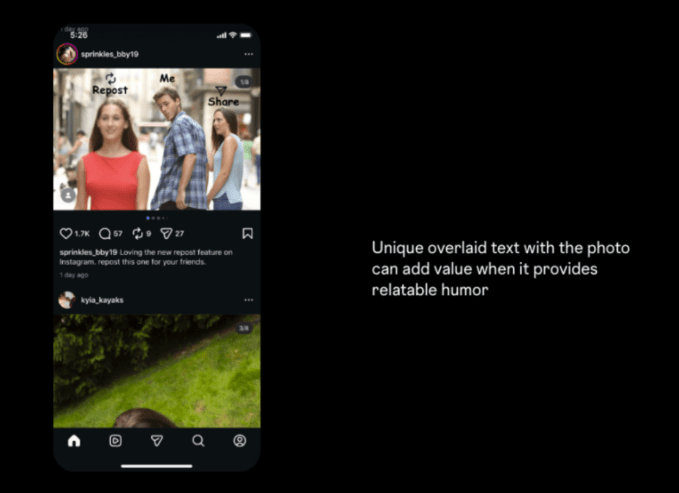
According to company guidelines, an original post can include third-party elements—such as meme templates or popular clips—provided the user has added layers of originality through editing, text, or commentary. To navigate these changes, users must understand what qualifies as a legitimate edit versus a prohibited re-upload:
- Transformative edits: Adding unique text, social commentary, creative overlays, or voiceovers to existing media.
- Original photography/videography: Content wholly captured and designed by the account holder.
- Prohibited watermarking: Simply adding a watermark of your own handle to someone else's image.
- Speed manipulation: Altering the playback speed of a video without adding other creative elements.
- Screenshotting: Uploading screenshots of other users' posts, even if the original creator’s username is visible for credit.
The Future of the Discovery Ecosystem
This pivot represents a significant gamble on the future of the creator economy. By suppressing aggregators, Instagram is intentionally making its discovery engine more difficult to manipulate via sheer volume. If successful, this could lead to a high-signal environment where unique artistic voices are elevated above those that merely curate popularity.
However, there is an inherent risk in starving the recommendation engine of the "familiar" content that aggregators provide. These accounts often act as the connective tissue of the platform, surfacing niche trends before they reach the mainstream. If the removal of these accounts leads to a decline in engagement or a reduction in the variety of the Discover tab, Meta may find itself presiding over an ecosystem that is more "original" but significantly less engaging.