Attention spans in the streaming era are increasingly dictated by the rapid-fire cadence of vertical video. As platforms struggle to capture engagement during the fleeting moments between larger tasks, the boundary between traditional long-form broadcasting and short-form social feeds is beginning to dissolve. Netflix’s latest mobile redesign represents a significant pivot in this battle for the attention economy through the introduction of Clips.
How Clips Enhances Content Discovery
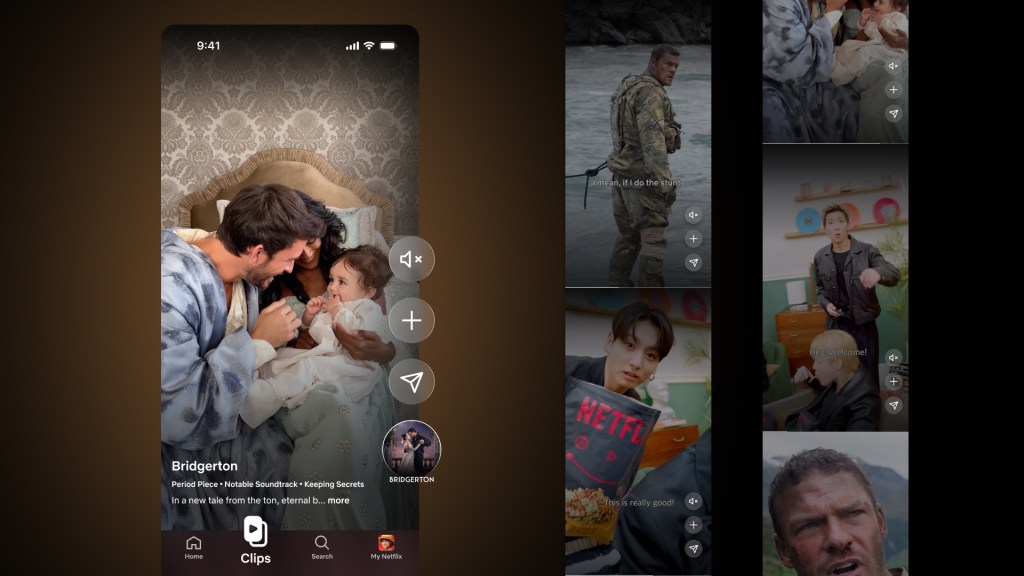
The introduction of Clips, a new vertical video feed, marks a fundamental shift in how the streaming giant intends to facilitate content discovery. Rather than relying solely on static thumbnails and trailer playback, the feature presents a curated stream of highlights from Netflix’s vast library of original programming. This move is designed to act as a personalized highlight reel, specifically engineered to help users navigate their selection without the friction of endless scrolling.
The primary objective behind Cl ips is to reduce the cognitive load associated with choosing a new series or film. By presenting short-form, high-impact segments tailored to individual viewing habits, Netflix is attempting to bridge the gap between passive browsing and active viewing. This strategy leverages the same psychological triggers used by platforms like Instagram and TikTok.
This isn't an entirely new direction for the company, but rather an evolution of previous experiments. In 2021, Netflix introduced Fast Laughs, a feature focused on comedy snippets that proved short-form content could successfully drive users back to full-length episodes. The transition from "Fast Laughs" to "Clips" suggests a broader scope:
- Personalized Curation: Algorithms will prioritize segments based on historical viewing data and genre preferences.
- Seamless Integration: The interface allows for an immediate jump from a short clip to the full episode or movie.
- Mobile Optimization: The feed is specifically optimized for one-handed, vertical interaction during transit or short breaks.
The Rise of Micro-Entertainment
The move toward vertical feeds is part of a larger industry-wide trend that transcends streaming services. From LinkedIn pushing video content on mobile to competitors like Peacock and Tubi implementing similar vertical experiences, the format has become a standard for modern digital consumption.
This shift is further bolstered by the meteoric rise of the microdrama industry, which features bite-sized, episodic series designed specifically for smartphone screens. This new wave of entertainment, which originated in Asian markets and is rapidly gaining traction in the West, relies on high-frequency narrative beats and vertical orientation.
As audiences become more accustomed to consuming serialized stories through rapid scrolling, the distinction between a social media app and a streaming service becomes increasingly blurred. Netflix’s adoption of this format suggests that the company recognizes that how content is discovered is just as important as the quality of the content itself.
A Strategic Utility Rather Than a TikTok Clone
Despite the visual similarities to existing social platforms, Netflix appears to be positioning Clips as a utility rather than a direct competitor to TikTok. During recent industry discussions, Elizabeth Stone, Netflix’s Chief Product and Technology Officer, emphasized that the goal is not to replicate the social experience of short-form apps but to capture a "moment of truth" for their members.
The distinction is critical for maintaining the platform's premium identity. While TikTok thrives on user-generated content and algorithmic chaos, this new feature focuses on high-production-value highlights from established intellectual properties. The strategy is built around three core pillars:
- Content Intent: Using short clips as a "teaser" rather than a destination.
- Brand Integrity: Maintaining control over the narrative by using only official studio assets.
- User Retention: Keeping users within the Netflix ecosystem even when they are not in a "lean-back" viewing mode.
The success of this feature will ultimately depend on whether these short bursts of content can effectively drive long-term retention or if they simply provide a way for users to consume fragments of stories without ever committing to the full experience. If executed correctly, it could redefine the streaming interface as a dynamic, living feed rather than a static library.