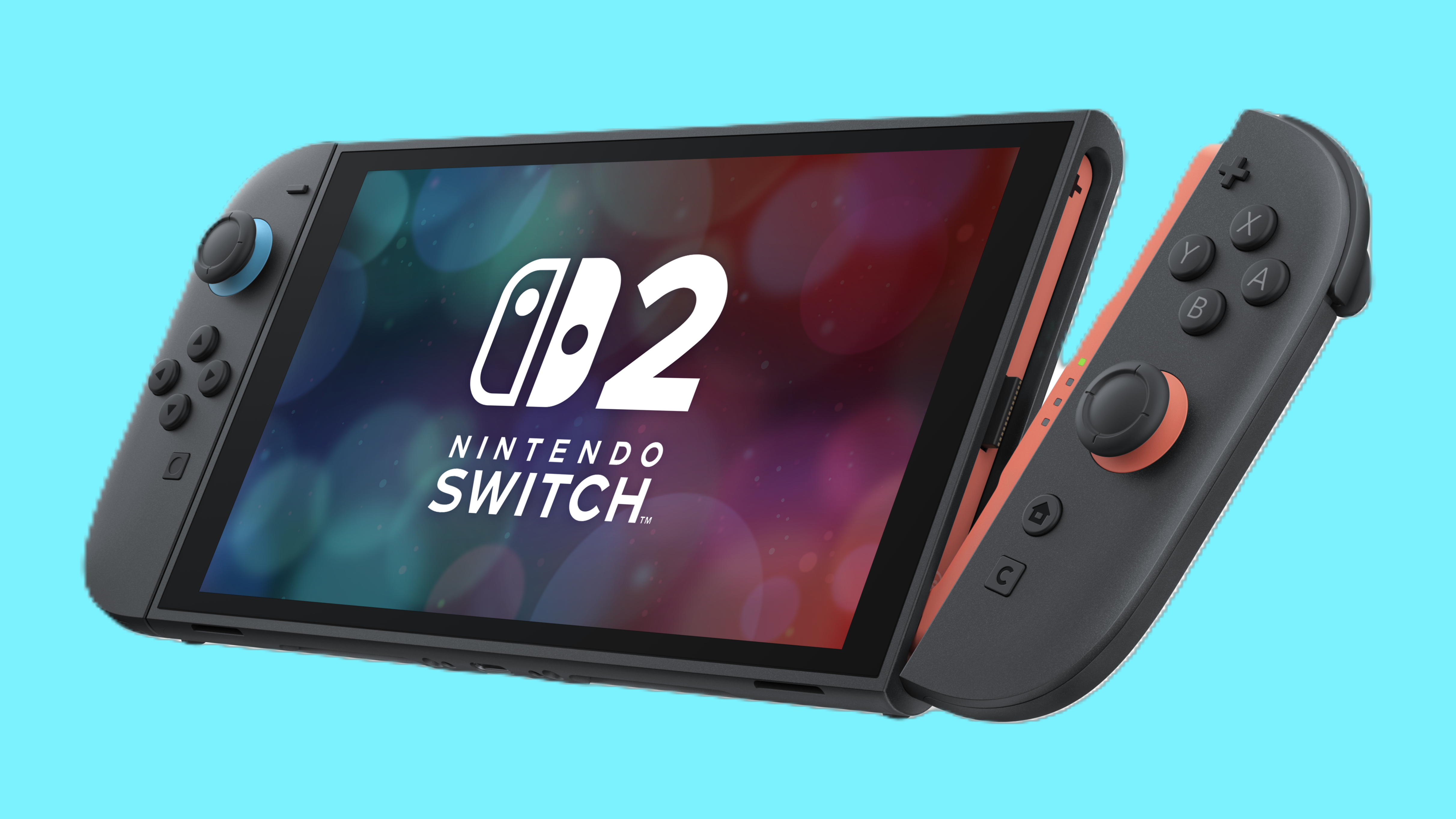
Nintendo is reportedly facing mounting pressure to implement a Switch 2 price increase, as rising production costs and falling share prices put the company in a difficult position. According to a new report from Bloomberg, Nintendo's stock has seen a continued decline despite a brief boost in March following the launch of the Switch 2 exclusive Pokémon Pokopia.
As the company prepares for its next financial earnings release this Friday, shareholders are scrutinizing whether Nintendo will finally adjust the Switch 2 console price. While the company has raised prices on various other products, the current hardware pricing remains a point of contention.
The Reality of Selling Hardware at a Loss
The Nintendo Switch 2 launched last June with a retail price of $449.99. In Japan, a region-locked version is available for 50,000 yen (approximately $318). Reports suggest that both of these price points result in the hardware being sold at a loss, particularly in the Japanese market.
While the exact deficit per unit remains undisclosed, industry analysts are weighing in on the potential impact of a price adjustment:
- A price hike of $50 to $100 could significantly reduce the financial strain on Nintendo.
- Such an increase might make the console "less of a burden" rather than immediately turning it into a highly profitable item.
- The goal would be to move toward profitability without alienating the core userbase.
Historically, hardware manufacturers have often used consoles as loss leaders, recouping profits through software and accessories. Following the financial struggles of the Wii U era, Nintendo originally abandoned this model for the Switch. However, it appears the company pivoted back to a more accessible entry price to ensure the Switch's successor would entice customers to upgrade.
Balancing Shareholder Demands and Consumer Loyalty
The debate over a Switch 2 price increase comes amid a year-long decline in Nintendo's share price from its pre-launch record highs. While the console has performed well—particularly in Japan—international sales during the Christmas period were reportedly slower than anticipated. Analysts suggest that Nintendo’s refusal to raise hardware costs is actively impacting the company's market value.
Nintendo has already dropped hints regarding potential future adjustments. The company has recently implemented:
- Higher pricing for Switch 2 accessories.
- Alternative, higher price points for physical Switch 2 game releases.
- Price increases for the aging original Nintendo Switch hardware.
Nintendo is not alone in this trend; both Sony and Microsoft have raised their console prices over the past year due to component shortages and US tariffs.
Ultimately, Nintendo faces a delicate balancing act. A price hike designed to appease shareholders could simultaneously upset consumers and slow the momentum of the Switch 2's early lifecycle. While the current userbase has reached 17 million as of December 31, it still represents only a fraction of the original Switch's massive 155 million lifetime sales. How long Nintendo can maintain its current pricing strategy remains to be seen.