The Irrigreen Smart Irrigation System 3.0 (2026) Review: Smart Watering, Less Hassle
Global agriculture consumes approximately 70% of the world's fresh water, sparking a desperate race for efficiency in both industrial farming and residential landscaping. In this high-stakes environment for resource conservation, the Irrigreen Smart Irrigation System 3.0 emerges not as a simple upgrade, but as a radical reimagining of how liquid is distributed across solid ground. Conceived by one of the inventors of inkjet printing technology, the system abandons the brute-force spray of traditional sprinklers for a precision method it calls "water-printing." While previous iterations offered this laser-like control over water beams, they were shackled to rigid sprinkler-only architectures; the 2026 model attempts to break those chains with its new integrated drip irrigation support and refined hardware.
The High Cost of Precision Engineering
The allure of Irrigreen lies in its mechanical philosophy: instead of saturating an entire lawn area uniformly, the system fires thin, targeted beams that rotate through 360 degrees to "paint" specific zones with water. This approach theoretically eliminates runoff and overspray, but it demands a level of infrastructure commitment that most homeowners are unprepared for. The 2026 iteration retains this demanding requirement, necessitating a wholesale upgrade to both plumbing and electrical systems to function correctly.
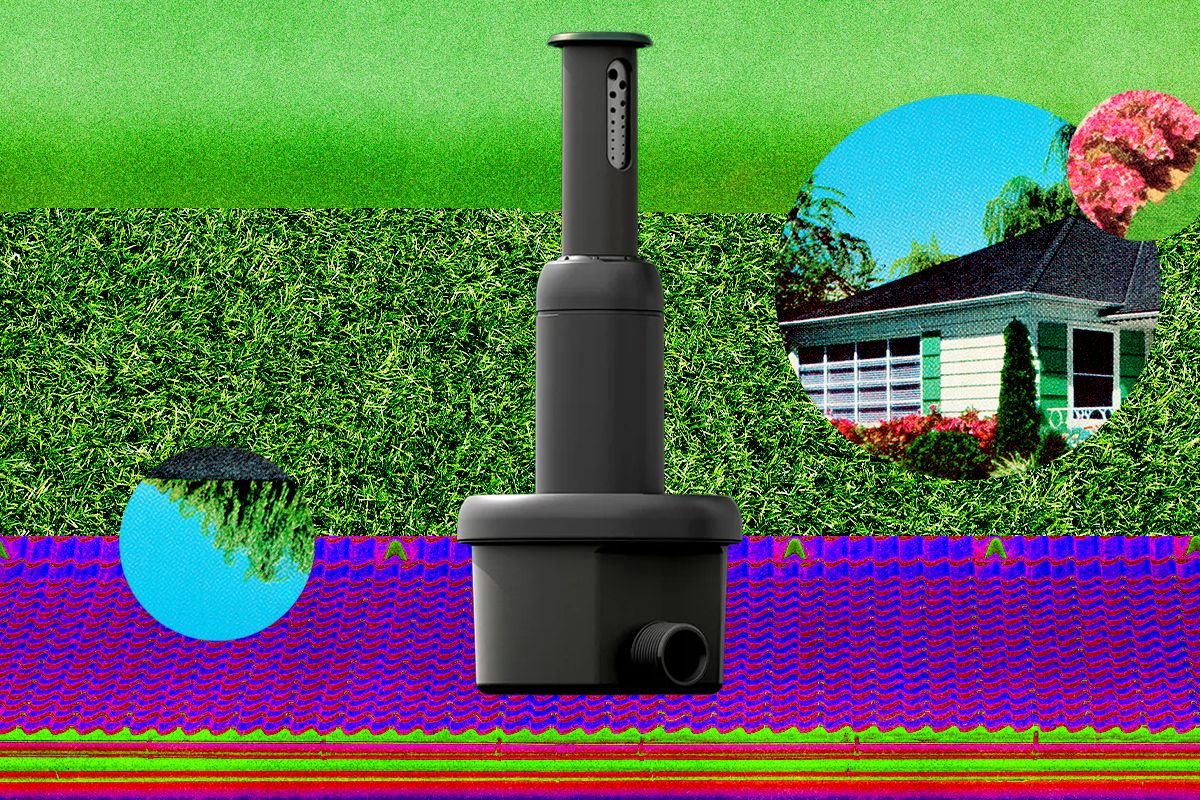
The hardware itself is an industrial-grade beast designed for wall mounting, featuring a semi-industrial controller box that handles the complex logic behind the scenes. While the unit allows for up to 16 sprinkler heads or eight traditional valve connections, the magic only happens when utilizing Irrigreen's proprietary hardware. The setup process involves daisy-chaining bespoke cables between each head and connecting the entire network via a single control cable, a stark contrast to the independent wiring of standard systems.
However, this architectural complexity introduces significant friction for the average consumer:
- Installation barriers: The system requires underground piping and electrical runs that are ill-suited for weekend DIY projects; professional installation is strongly advised to ensure watertight integrity.
- Documentation gaps: Despite a complex array of tubing, wiring, and connectors, Irrigreen provides only online video tutorials, leaving first-time users without a printed manual or clear troubleshooting guides.
- Firmware volatility: During testing, the calibration process for determining throw distance failed repeatedly due to a stubborn firmware update that required an overnight cycle to resolve successfully.
The system's controller does offer basic physical controls for manual operation, but these are largely bypassed in favor of the companion mobile application, which serves as the primary interface for all operations. For those willing to endure the installation headache, the reward is a level of control previously unavailable in consumer irrigation tech.
Mapping the Yard with Digital Precision
The user experience hinges entirely on the Irrigreen app, which has seen substantial improvements over previous versions. The mapping process is intuitive and rapid: users drop pins to mark the furthest points they wish to water, allowing the system to calculate the precise trajectory for its water beams. This digital cartography happens in a fraction of the time required by competitors, with the interface responding noticeably faster than similar tools from rivals like Aiper.
Once mapped, the system offers three distinct watering modes: manual duration control, automated scheduling based on time, and Auto Water technology that leverages localized weather data to adjust run times dynamically. The Auto Water feature is particularly compelling for long-term conservation, as it can skip cycles entirely during rain or extend them during heatwaves, though this requires weeks of real-world testing to fully validate its efficacy.
The physical sprinkler heads in version 3.0 represent the culmination of iterative design improvements:
- Enhanced pressure sensing: New sensors within the head allow for more granular control over spray distance and flow rates.
- Self-cleaning mechanisms: Before each watering cycle, the head visibly burbles water to flush out dirt and debris, significantly reducing clogging issues that plagued earlier models.
- Range limitations: Despite improved precision, the maximum throw remains capped at 30 feet, meaning large or irregularly shaped yards may require multiple units to achieve full coverage.
While the sprinkler technology is mature and effective, the true innovation of this generation lies in the system's ability to integrate drip irrigation, a feature that was entirely absent from prior releases.
The Drip Integration and Value Proposition
The 2026 model introduces the Smart Drip System, a dedicated valve designed for high-efficiency drip lines that cater to gardens, flower beds, and shrubbery rather than open turf. This addition addresses one of the system's most persistent criticisms: the inability to service non-grass areas with the same efficiency as traditional sprinklers. The drip valve connects via daisy-chain wiring to the main controller, allowing users to expand their existing setups without ripping out the entire plumbing infrastructure, provided they have accessible water pressure and electrical lines.
Although the Smart Drip System lacks the "water-printing" capability of its sprinkler counterpart, it still benefits from the Auto Water logic and includes a built-in pressure sensor capable of detecting clogs or leaks—a feature standard drip valves lack entirely. This diagnostic capability offers peace of mind for those managing complex underground networks, as it can identify failures before they result in significant water loss or landscape damage.
Despite these technical achievements, the financial barrier remains substantial. At $2,043 for a complete setup, the Irrigreen Smart Irrigation System 3.0 is a premium investment reserved for those who prioritize extreme precision and are willing to navigate complex installation requirements. It is a system that redefines what smart watering can be, provided you have the budget and patience to unlock its full potential.