The desert wind carried a faint hiss of heat across the New Mexico dunes as the world’s first atomic blast illuminated the night sky. On July 16, 1945, under an eerie, otherworldly glow, an unprecedented material emerged from the heart of the Trinity test—one that defied classification and hinted at nature’s capacity to conjure the unknown under extreme duress.
What Was Found in the Blast Zone
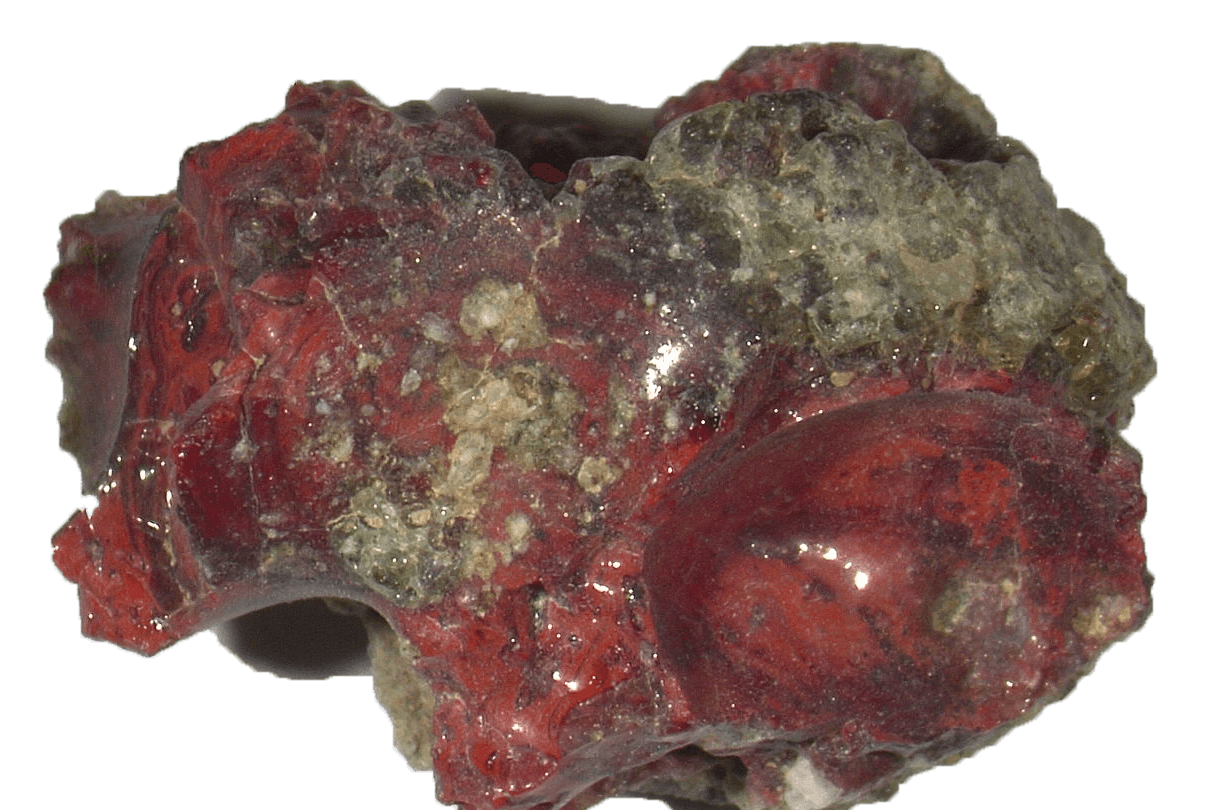
A team led by geologist Luca Bindi at the University of Florence recently identified a clathrate crystal formed within a fragment of molten metal droplet embedded in trinitite, the glassy residue left after detonation. The structure, composed of calcium, copper, and silicon, belongs to a class of clathrate materials whose cage-like lattices trap guest atoms within their framework. This particular specimen, unseen in either natural environments or laboratory synthesis before, demonstrates that nuclear explosions can serve as unparalleled natural laboratories for material science.
Understanding Clathrates and Their Relevance
Clathrates are distinguished by their unique cage-like geometries, which enable them to host and stabilize otherwise unstable elements under specific conditions. The implications span multiple domains:
- Energy conversion: Potential use in advanced thermoelectric systems for efficient heat-to-electricity transformation.
- Gas storage: Capability to trap gases like hydrogen or methane, crucial for next-generation fuel technologies.
- Semiconductor innovation: Novel electronic properties that could redefine microelectronics.
Natural Laboratories and Scientific Insight
Natural phenomena such as lightning, meteor impacts, or nuclear detonations create transient environments where conventional synthesis is impossible yet exotic matter forms spontaneously. The Trinity event offered researchers a rare glimpse into these processes, revealing how extreme temperatures and pressures can yield new substances outside traditional chemical pathways. Such findings compel scientists to rethink the boundaries between natural and artificial material creation.
Broader Impact on Material Science
The discovery underscores that destructive events can leave behind unexpected scientific treasures. By studying trinitite and related clathrates, researchers gain tools to explore atomic arrangements unattainable through standard laboratory methods. This knowledge informs strategies for designing resilient materials capable of withstanding harsh conditions—whether on Earth or beyond our atmosphere.
Future Directions and Applications
As analytical techniques improve, the study of nuclear-formed clathrates may unlock pathways toward sustainable energy solutions, more efficient computing architectures, and safer storage systems for hazardous gases. The interdisciplinary collaboration between geologists, physicists, and chemists highlights a growing trend: leveraging extreme environments to push the frontiers of known science.
In essence, the Trinity test’s legacy extends beyond its immediate historical significance; it introduced science to materials that challenge existing paradigms. Future investigations promise to translate these accidental discoveries into tangible benefits, proving once again that innovation often springs from the most unexpected sources.
This article reflects insights derived from peer-reviewed research and field observations documented in WIRED Italia.