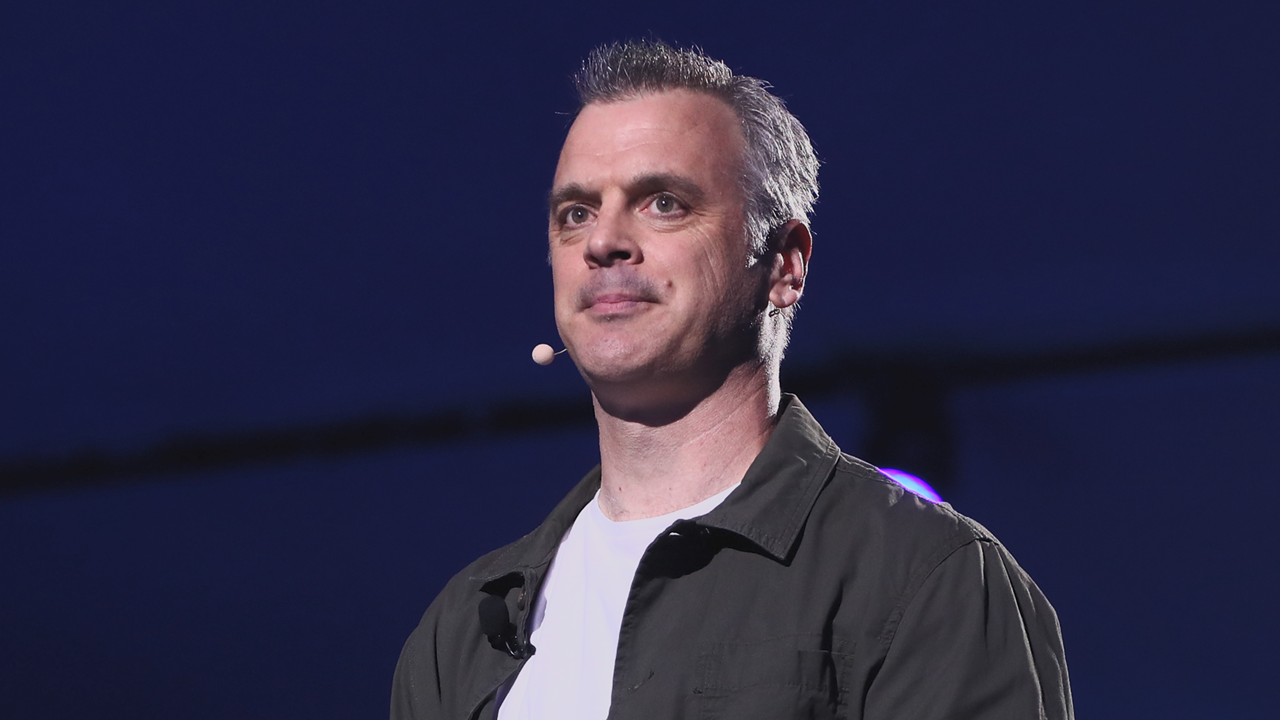
Pete Hines on Bethesda’s Authenticity Crisis Post-Acquisition
Former Bethesda Softworks marketing chief Pete Hines has confirmed what the industry suspected for months: the publisher underwent significant cultural changes that directly impacted his decision to retire in 2023. In a recent interview with Firezide Chat, he revealed why he now believes the company is part of something that is not 'authentic' or 'genuine'. His comments provide unprecedented insight into how a $7.5 billion acquisition altered internal dynamics at one of gaming's most respected studios, leading to what Hines describes as an authenticity crisis within the organization.
Hines emphasized that his departure wasn't merely about timing with Starfield's release, but rather an inability to continue shielding Bethesda from what he perceived as corporate misalignment. When Microsoft executives promised authenticity and commitment to developers, Hines questioned whether those commitments survived once the deal closed. The former executive stated the company was becoming "damaged and broken apart," a sentiment that underscores the severity of the cultural shift he witnessed over nearly 25 years.
The Microsoft Acquisition That Changed Everything
Hines traced his concerns back to Microsoft's 2020 announcement that it would acquire ZeniMax Media, Bethesda's parent company, before the deal officially closed in 2021. This acquisition remains one of gaming's largest ever and fundamentally altered how decisions were made at Bethesda. The shift created palpable tension between established studio practices and corporate priorities from Redmond, leaving many employees confused about the new direction.
Internal emails revealed significant confusion over Xbox exclusivity decisions that affected multiple publishers. Hines described witnessing his workplace "getting damaged and broken apart" as he became increasingly unable to protect the culture he helped build. The former executive noted that while Bethesda titles would become Xbox properties, competitors like Call of Duty received different treatment across platforms, highlighting a perceived inconsistency in strategy.
Key moments from Hines' account include:
- Immediate uncertainty: The Microsoft acquisition announcement in 2020 created immediate doubt among staff regarding their future roles and the studio's independence.
- Strategic confusion: Emails revealed deep confusion over Xbox exclusivity decisions that affected multiple publishers and internal workflows.
- Authenticity crisis: Hines felt the company was "part of something that is not authentic and is not genuine" post-acquisition, signaling a loss of core values.
The Mental Toll of Corporate Transition
Attempting to maintain his position at Bethesda while witnessing changes he disagreed with took a severe toll on Hines' mental health. Every Starfield delay meant eight additional months of what he described as an untenable situation, where he was forced to watch developments unfold without the authority to intervene. This powerlessness became a defining factor in his decision to leave, as he could no longer shield colleagues or maintain Bethesda's established operational standards.
Hines credited Todd Howard with eventually recognizing when Hines had reached his breaking point and helping him exit while still retaining his sanity. This personal dynamic adds significant weight to his criticism; leaving behind someone he genuinely respected made the decision more painful but ultimately necessary for his wellbeing. The former executive noted that what drove him to leave was a powerlessness to implement changes he believed were necessary for the company's health, alongside witnessing what he characterized as mistreatment of the studio's culture post-acquisition.
The timing created an ironic situation where Hines retired before Starfield's 2023 launch, removing him from the promotional cycle for one of gaming's most anticipated releases in years. This departure point also preceded several months of continued public statements about Microsoft's handling of Bethesda properties and broader industry consolidation trends.
Authenticity as a Corporate Metric That Matters
Hines' comments extend beyond personal grievances to question whether authenticity can survive within large-scale corporate structures that prioritize shareholder interests over developer relationships. The marketing veteran suggested that promises made during acquisition negotiations didn't always translate into follow-through once deal structures were finalized and teams reorganized. His criticism particularly resonates given Microsoft's public positioning around supporting existing studios while integrating them into broader ecosystem strategies.
When executives discuss maintaining studio independence, Hines implies those discussions often remain theoretical rather than operational commitments that staff experience daily. He identified a distinct gap between verbal commitments about supporting developers and the lived workplace experiences of employees. This disconnect suggests that strategic decisions made at corporate levels can feel entirely disconnected from individual studio needs, forcing publishers to balance artistic integrity with shareholder expectations in ways that strain internal culture.
The former Bethesda executive concluded by noting that what he found most troubling wasn't the acquisition itself, but rather witnessing a company he held in high esteem operate differently than its public-facing values suggested. For industry observers, this represents more than one person's departure—it signals broader tensions between established studio cultures and corporate consolidation strategies affecting gaming's creative foundations.
The question now extends beyond Bethesda to what happens when companies with decades-long reputations navigate massive ownership transitions while trying to maintain the creative autonomy that defined their original success. Hines' exit serves as a case study in how acquisitions reshape not just financial structures, but the fundamental relationships between developers and publishers that have sustained gaming's innovation for generations.