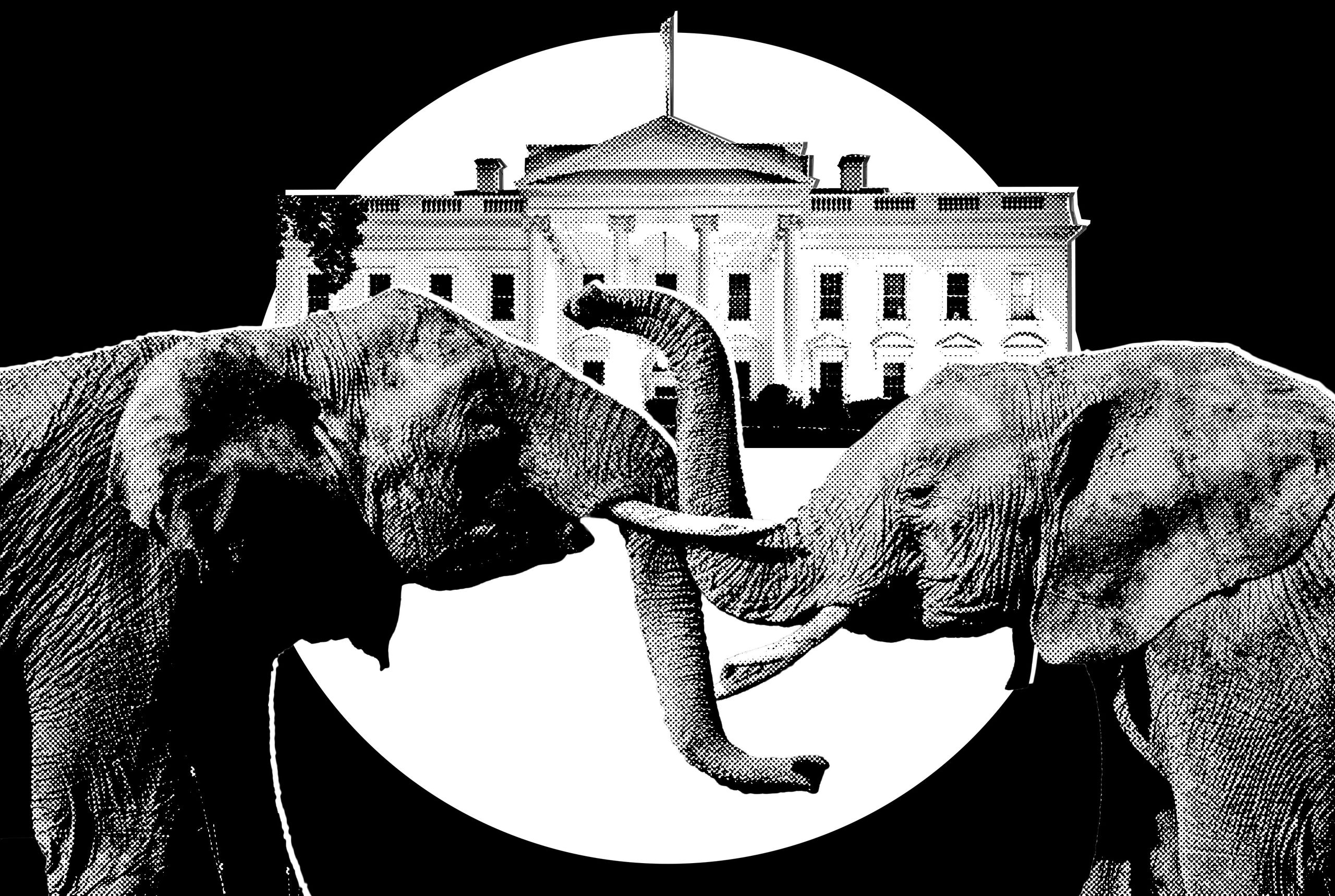
The political landscape in the United States has shifted into a high-stakes arena, with the convergence of critical primaries and direct executive intervention marking a distinct pivot in American governance. As the nation moves deeper into the midterm election cycle, the White House is actively reshaping the Republican Party’s roadmap, prioritizing key battles in Texas, California, and Maine.
This strategic realignment is not merely about securing legislative seats; it is an attempt to cement long-term structural power while managing the fallout from recent internal purges, such as the ousting of Representative Thomas Massie. The stakes are incredibly high, with immediate implications for legislative gridlock, executive authority, and the future of party loyalty.
The Texas Showdown and Legislative Risk
In Texas, President Donald Trump’s last-minute endorsement of Attorney General Ken Paxton over incumbent Senator John Cornyn has sent shockwaves through Washington. The primary runoff, scheduled for May 26, has evolved into a proxy war for loyalty within the Republican base. Trump’s decision, communicated via Truth Social, frames Paxton as a MAGA warrior essential for advancing legislative priorities like terminating the filibuster and passing the Save America Act. However, this endorsement carries significant political risk.
Paxton’s legal history presents a formidable challenge for his candidacy. In 2023, he faced impeachment charges, resulting in a plea deal in 2024 where he paid approximately $300,000 in restitution without admitting guilt. Further complicating his run are allegations of adultery and a yearslong federal investigation into the misuse of office, which was closed without charges only weeks before Joe Biden left office. Republicans worry that Paxton’s baggage could energize Democratic voters, mirroring the massive fundraising surges seen in Beto O’Rourke’s 2018 run.
The political ramifications extend far beyond Texas’s borders. With a razor-thin 53-47 Senate majority, the White House cannot afford to lose reliable votes. Several factors highlight the volatility of this situation:
- Senator Bill Cassidy has already signaled opposition to Trump’s legislative agenda after losing his primary in Louisiana.
- If Senator Cornyn feels betrayed by the endorsement, he may join Cassidy in blocking funding for the White House ballroom or military actions in Iran.
- The loss of just two disaffected Republicans could paralyze the President’s ability to govern through executive funding mechanisms.
Internal party dynamics are also fracturing. Cornyn’s campaign includes former Trump 2024 allies like Chris LaCivita and Tony Fabrizio, creating tension between the President’s will and the campaign’s operational integrity. Corey Lewandowski’s immediate declaration that Cornyn’s campaign is "dead" highlights the volatile nature of this endorsement.
California’s Gubernatorial Wild Card
While Texas dominates the headlines, strategists in Trumpworld are also monitoring the California gubernatorial race set for June 2. Although the seat is expected to remain solidly Democratic, California’s top-two primary system creates a unique opportunity. The top two candidates, regardless of party, advance to the general election in November, meaning a Republican could potentially win the governorship if the Democratic field remains fragmented.
Current Governor Gavin Newsom and former Vice President Kamala Harris have not endorsed any candidate in this race, leading to a chaotic primary field. This vacuum has allowed Republican Steve Hilton, a moderate with significant financial backing, to gain traction. Strategists are analyzing whether Hilton’s moderate appeal can split the Democratic vote enough to secure a general election spot.
The potential outcomes for the White House are significant:
- If Hilton advances, it would provide a rare foothold for Republicans in a heavily blue state.
- Success would validate the strategy of targeting fragmented Democratic fields in top-two primary states.
- Failure would reinforce the difficulty of penetrating California’s electoral landscape without broad institutional support.
The White House’s interest in California is largely academic but strategically significant. It reflects a broader effort to identify vulnerable Democratic seats in other key states, including Maine, where early polling suggests similar opportunities for Republican incumbents to hold or flip seats.
The Road Ahead
The midterm elections are no longer just a referendum on the President’s performance; they are a battleground for the soul of the Republican Party and the balance of power in Congress. The endorsement of Ken Paxton demonstrates a willingness to prioritize ideological purity over institutional stability, a gamble that could backfire if it alienates moderate voters or costs the White House crucial Senate support.
Meanwhile, the focus on California and Maine indicates a sophisticated, if risky, strategy to expand the party’s footprint. As the primary season unfolds, the interplay between executive power and party loyalty will define the trajectory of American politics for the next two years. The outcomes in these states will not only determine who holds office but also how much freedom the President has to act unilaterally in the final years of his term.