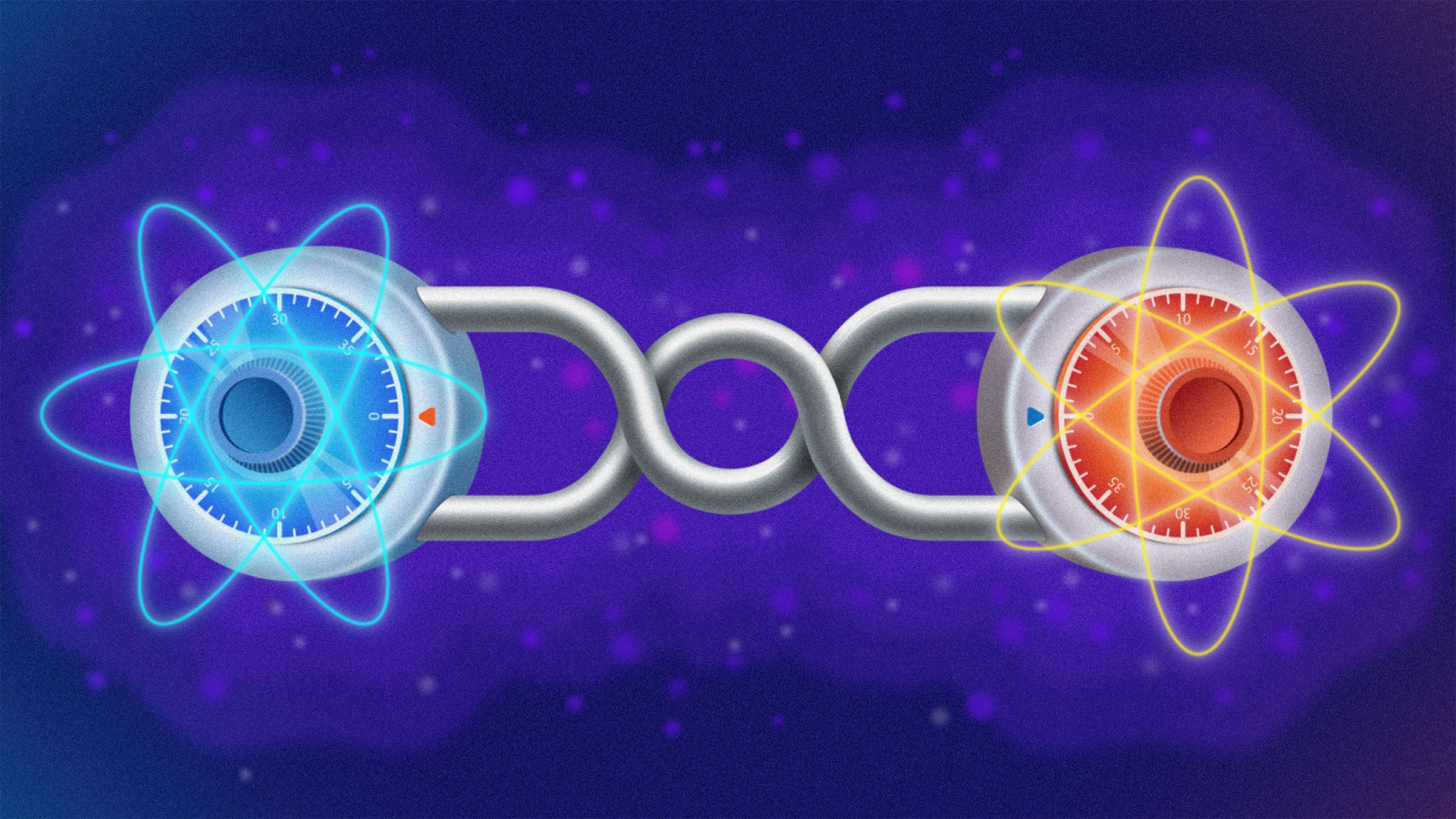
Quantum jamming, the deliberate interference of quantum states to test fundamental causality, is gaining traction as a probe into the limits of cause and effect. The practice forces researchers to confront whether any hidden constraints truly forbid jamming or if it merely reveals deeper principles that conventional theory overlooks.
Quantum Jamming Reveals Hidden Limits of Causality
Scientists observe that quantum jamming creates a macroscopic pattern out of microscopic randomness, offering empirical data on the boundaries of cause and effect. This observation suggests that classical intuitions about temporal ordering may be illusory within quantum domains. Researchers conclude that current models cannot fully explain the observed correlations without invoking new axioms.
Implications for Cryptographic Assumptions
The same interference techniques challenge cryptography’s reliance on deterministic feedback loops, prompting audits of quantum jamming as a diagnostic tool. If causality is malleable, secure protocols could be undermined by hidden pathways that evade classical safeguards. The field must therefore treat quantum jamming not merely as an experimental curiosity but as a strategic vector for post‑quantum resilience.
A New Paradigm or Fundamental Break?
Debates persist between groups such as Eckstein and Ramanathan, who argue that jamming merely bends existing quantum rules, versus Vilasini and Colbeck, who propose a broader framework where jamming exposes a genuine gap in causality. The divergent viewpoints underscore the need for rigorous cross‑validation rather than speculative acceptance of any single model.
- Potential to test causality
- Impact on cryptography security
- Ethical considerations of manipulating quantum states
A forward‑looking take suggests that embracing quantum jamming as a disciplined research discipline could resolve lingering paradoxes in quantum theory and redefine how we conceptualize cause, effect, and information security.