The $99 Million Settlement: John Deere Is Paying Farmers for Monopolizing Repair Rights
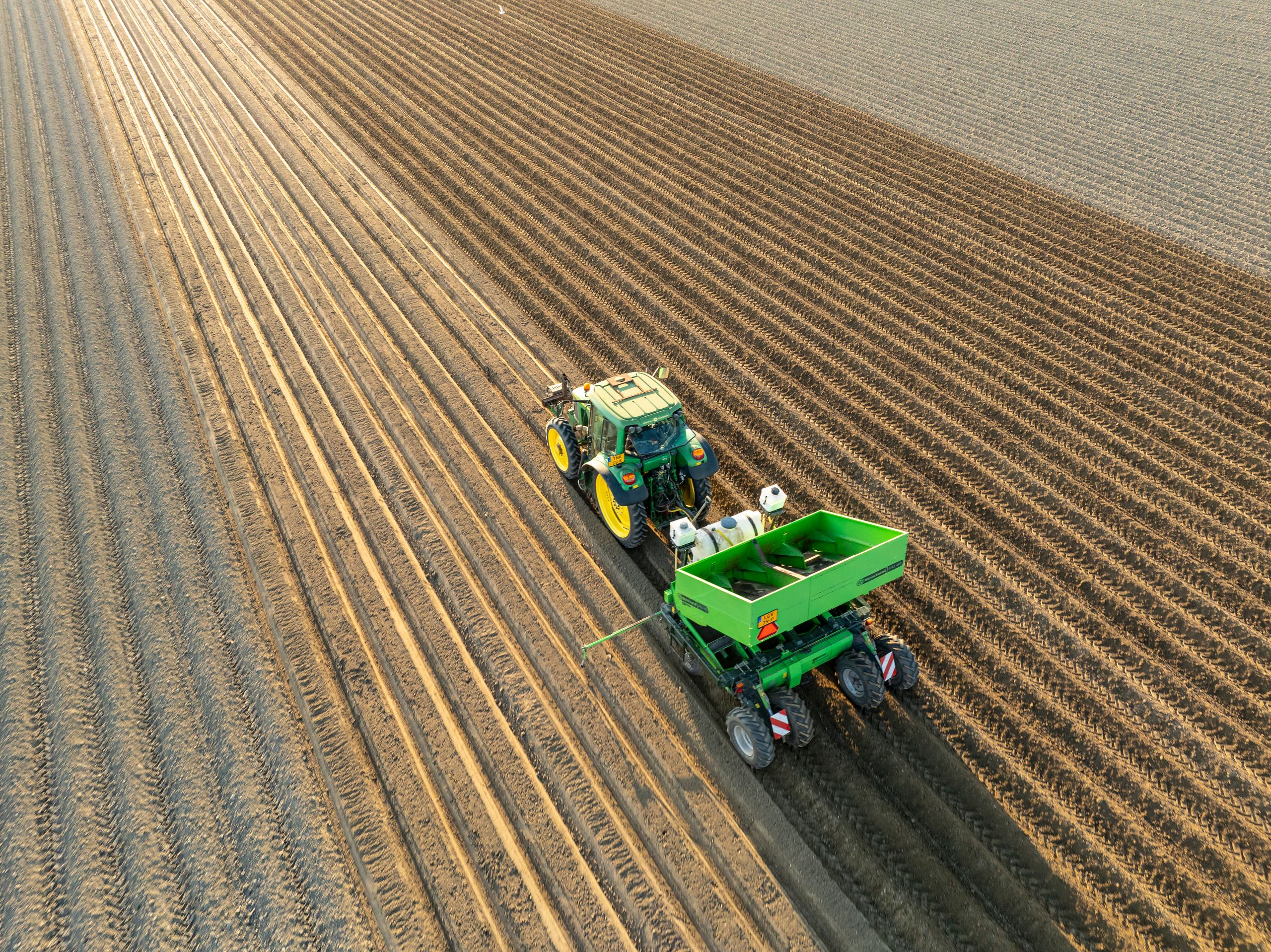
The gaming community has spent years screaming into the void about microtransactions, loot boxes, and the "always-online" DRM that turns our single-player masterpieces into a constant struggle against the developers' servers. We've fought for ownership of our digital libraries, demanding to know why we can't resell games or play them without an internet connection after purchasing a physical disc. But while we were debating the ethics of Destiny 2's loot box rates and the validity of day-one patches, the agricultural world was facing a far more high-stakes server outage: John Deere. And just like in any hardcore MMO where your character gets locked out of a dungeon due to a maintenance window, farmers have been left stranded, unable to access their own "gear" because the manufacturer decided they hold the admin keys to everything. Now, after years of battling this restrictive digital ecosystem, John Deere is paying farmers $99 million for allegedly monopolizing repair rights, marking a significant, albeit temporary, victory in the fight for equipment ownership.
The Psychology Behind the Price Tag and the Lawsuit
It's time we talk about that $99 million settlement John Deere announced for allegedly monopolizing repair rights. If you look at the numbers, on paper it sounds like a massive win for the plaintiffs. Ninety-nine million dollars is a lot of credits in any economy. But as GLI7CH, who has seen my fair share of corporate PR spin disguised as "updates," I'm looking at this through the lens of a player who knows when a game is rigged against them. First off, why $99 million and not an even $100? That's classic psychological pricing, the digital equivalent of charging $19.99 instead of $20 to make a price point feel significantly lower than it is. It feels like a tactical decision made by lawyers to avoid triggering a "nine-figure" alarm in the press release, rather than an honest assessment of the damages done.
The settlement represents only a fraction of the estimated $4.2 billion in total damages suffered by farmers, with some economists suggesting overcharges alone hit between $190 million and $387 million. This massive discrepancy highlights the scale of the monopoly allegations that led to this legal action. When split across roughly 200,000 farmers, the individual payout might be a nice bonus, but it is far from a full compensation for years of lost productivity or the stress of watching crops die while waiting for a "patch."
When Tractors Become Black Boxes: The Mechanics of Restriction
The core issue here isn't just about the money; it's about the game mechanics John Deere implemented on their tractors. For years, they've been treating their customers like NPCs who aren't allowed to interact with the environment without explicit permission from the developer. They locked down software restrictions, required proprietary diagnostic tools that only authorized dealers possess, and essentially turned every tractor into a "black box."
- Software Restrictions: Farmers cannot update or modify firmware without manufacturer approval.
- Proprietary Tools: Only John Deere-authorized dealers have access to the necessary diagnostic hardware.
- Black Box Systems: Critical machine data is locked away, preventing independent analysis or repair.
When a machine breaks down during harvest season—which is effectively the final boss raid of the farming year—farmers were left waiting days or weeks for an approved technician to show up. That's not just an inconvenience; it's a game over scenario where millions in lost profits vanish because you can't access your own equipment. As Ethan Litwin pointed out, this isn't really about right-to-repair; it's about ownership rights. How can a manufacturer legitimately claim to restrain those rights post-sale? It feels like buying a console and then realizing you have to pay a subscription fee every time you want to play the games on that hardware.
A Ten-Year Patch Note or a Permanent Fix?
The settlement promises that John Deere will make repair tools and services more widely available for the next ten years, but let's be real: a ten-year patch note isn't a permanent fix. It's a temporary cooldown reduction on their restrictive policies. Consumer advocates are rightfully skeptical because this is a company with a terrible track record of "patching" promises they don't follow through on. They've said one thing before and delivered something else, undercutting the intent from taking root in meaningful ways.
The FTC even sued them again in 2025 for similar reasons, proving that the developers of this situation haven't learned their lesson yet. John Deere claims they are aligned with farmers, citing their "Operations Center Pro Service" as proof of accessibility. But when I see statements like that, I hear the same hollow promises we get from game studios promising better optimization or more content for DLC. They say it's being used right now, but advocates argue these commitments have been undermined before. The real value here isn't in the cash; it's in whether the company actually changes their code to allow owners full admin access to their machines.
The Final Boss: Ownership vs. Shareholder Value
We need to remember what this fight is really about. It's not about farmers wanting free tools; it's about them refusing to be locked out of their own life's work by a corporation prioritizing shareholder value over human survival. Just like us gamers fighting against predatory monetization, these farmers are demanding that when they buy a product, they actually own the rights to keep it running. Until John Deere stops treating repair access as a premium feature and starts respecting the autonomy of their users, this battle isn't over. The settlement is just a new chapter in a long-running RPG where we're all still waiting for the devs to finally fix the core mechanics. If they don't, then this settlement is just a temporary buff that wears off after a decade, and the grind for true ownership continues.