Khosla Ventures Bets $10M on Ian Crosby’s New AI Finance Startup
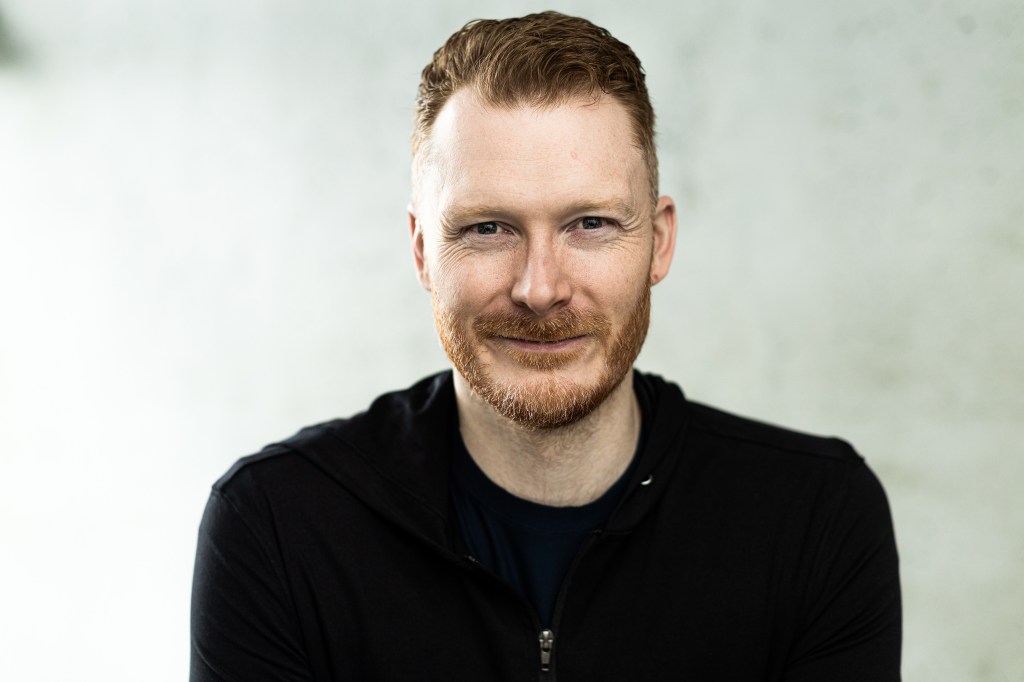
Khosla Ventures is making a significant move in the fintech space, committing $10 million to Ian Crosby’s latest venture, Synthetic. This investment marks a bold resurgence for Crosby, the former founder of Bench Accounting, whose previous company collapsed spectacularly in 2024.
The decision to back Crosby comes despite the high-profile failure of his last startup. Bench Accounting imploded amid cash-flow crises, leading to Crosby’s removal from leadership. Yet, Khosla Ventures sees potential in Crosby’s pivot toward AI-driven financial services, aiming to eliminate human involvement in complex bookkeeping through fully autonomous accrual-based financials.
The Context of a High-Stakes Bet
Investors typically retreat after a founder’s prior failure, especially one as public as Bench’s implosion. The financial and reputational fallout from Bench’s liquidation was severe, leaving a trail of skepticism that continues to shape perceptions of Crosby’s capabilities.
Crosby, however, insists he was not directly culpable for Bench’s collapse, citing board opposition to his strategic direction and a failed acquisition offer from Brex. While critics point to unresolved operational issues, supporters highlight his resilience, noting his subsequent success in co-founding Teal, an accounting startup that was later acquired.
The funding structure for Synthetic reflects a mix of high-profile support:
- Seed Round Leadership: Led by Khosla Ventures.
- Key Participants: Basis Set Ventures and Shopify CEO Tobias Lütke.
Why Khosla Ventures Is Taking the Risk
Jon Chu of Khosla Ventures frames this investment as an opportunity rather than a cautionary tale. “I tend to run toward controversy,” he explained, drawing parallels to Parker Conrad’s ousting from Zenefits and his subsequent creation of Rippling, which is now valued near $17 billion.
The logic hinges on the belief that growth potential outweighs present shortcomings. By backing Crosby, Khosla is betting on the trajectory of AI in finance, despite the technical limitations that currently exist.
Operational Challenges and Technical Ambition
Synthetic targets a narrow initial market: AI-native startups requiring seamless integration with existing tech stacks. However, the technical ambition here is significant. Current AI models still generate material errors in financial calculations—errors that compound rapidly when scaled.
Crosby acknowledges this gap, comparing the effort to early self-driving car development: “We haven’t driven down enough streets to know if it’s going to crash.”
Despite these uncertainties, the funding provides crucial runway for iterative improvements. Crosby asserts that access to years of capital allows the team to wait for foundational AI models to mature, reducing the risk associated with premature product releases. This approach contrasts with purely theoretical AI development, ensuring each prototype addresses tangible pain points in real-world accounting workflows.
Market Implications and Future Outlook
Should Synthetic succeed, it could redefine bookkeeping standards across industries reliant on accurate, timely financial reporting. The broader market is already shifting toward embedded finance tools that automate compliance and reconciliation natively within SaaS platforms.
Failure, however, would reinforce skepticism around autonomous accounting solutions. Yet, even in failure, the venture could provide invaluable lessons for subsequent entrants in the space.
The venture represents more than a personal redemption arc for Crosby; it signals continued confidence in AI’s trajectory despite technical limitations. While benchmarks currently lag behind ambitious roadmaps, the cross-industry adoption of hybrid human-machine workflows appears inevitable.
Ultimately, Khosla Ventures’ bet underscores a core tenet of tech innovation: transformative technology often emerges from repeated experimentation, not flawless first drafts. The question remains whether Synthetic can bridge the gap between promise and reliability before systemic errors undermine trust irreparably.