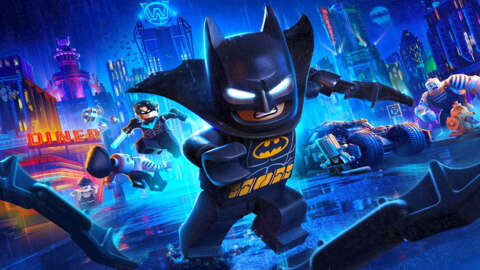
The grim, brooding atmosphere of Gotham City traditionally relies on shadows and psychological weight, yet Lego Batman: Legacy Of The Dark Knight manages to find its soul within the bright, plastic absurdity of interlocking bricks. While the LEGO brand is often dismissed as a mere vehicle for children’s entertainment, this latest entry subverts that expectation by injecting a surprising amount of Arkham-style grit into its whimsical presentation. It exists in a state of constant tension between slapstick comedy and genuine superhero drama.
A Massive Gotham City Built from Bricks
The most immediate realization upon entering the game world is the sheer scale of the environment. Rather than the segmented levels typical of previous LEGO titles, this installment introduces a massive open world that feels lived-in and meticulously detailed. The developers have moved away from linear progression in favor of a sprawling Gotham that rewards exploration and curiosity.
The transition to a new proprietary engine is palpable in every frame. Lighting effects interact with the glossy surfaces of the plastic characters, creating a visual fidelity that makes the city feel both tactile and cinematic. This technical leap allows for several key improvements:
- Dynamic Weather Systems: Rain slicks the cobblestone streets of the Diamond District, reflecting neon signs with surprising realism.
- Destructible Environments: Combat frequently results in beautiful, physics-based chaos as brick-built structures shatter.
- Enhanced Character Models: The "plastic" aesthetic is pushed to its limit, with subtle scratches and fingerprints visible on hero models under close inspection.
This sense of scale ensures that Lego Batman: Legacy Of The Dark Knight serves both the casual player looking for a quick romp and the completionist eager to uncover every secret tucked away in the dark corners of the city.
Bridging the Gap Between Comedy and Lore
The core strength of this experience lies in its ability to balance tonal shifts without breaking immersion. We often see LEGO titles lean too heavily into the gag, but here, the narrative maintains a certain level of respect for the Batman mythos. The writing manages to capture the essence of the Caped Crusader's struggle while still allowing for the inevitable comedic mishaps that come with being made of toy bricks.
The gameplay loop integrates these tones through its combat and traversal mechanics. While humor is present in character animations and dialogue, the combat feels surprisingly substantial. Players are not just tapping buttons; they are engaging in choreographed encounters that demand attention to timing and ability usage. The inclusion of various gadgets and vehicles provides a layer of tactical depth that echoes the more serious iterations of the franchise.
A New Standard for Licensed Titles
It is rare for a "toy-based" adaptation to outshine its more serious contemporaries, but this title approaches the threshold of doing just that. It avoids the trap of being "just for kids" by offering a level of mechanical polish and world-building that respects the intelligence of adult gamers.
The game succeeds because it understands that Batman is most interesting when he is pushed to his limits, even if those limits involve falling apart into individual pieces. By blending high-stakes storytelling with the joy of creative destruction, the developers have crafted a definitive experience for the character. Whether navigating the sprawling streets or engaging in high-octane vehicular combat, the sense of adventure remains constant.
As the industry moves toward increasingly complex open worlds, Lego Batman: Legacy Of The Dark Knight serves as a reminder that scale and tone are not mutually exclusive. It is a robust, sophisticated evolution of the LEGO gaming formula that will likely set a new benchmark for licensed titles moving forward.