The era of Linux on the desktop isn't just approaching; it feels like we are well into its golden age. From increased HDR support to Framework laptops reporting higher sales for Ubuntu than Windows, the signs of a massive shift are everywhere. While recent security vulnerabilities like "Copy Fail" may have caused temporary headlines, the momentum behind the platform remains undeniable.
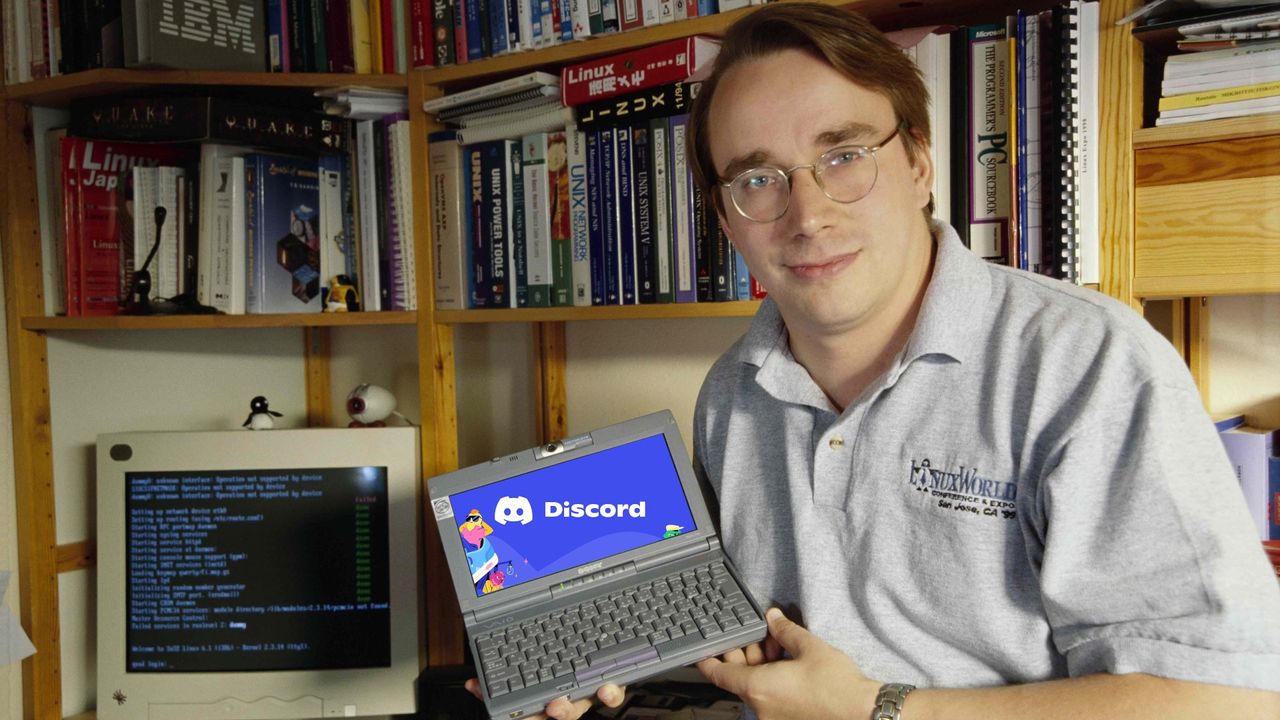
The latest indicator of this upward trend? Discord has officially addressed one of the most persistent pain points for Linux users by bringing updater parity with Windows to the desktop client.
Ending the Manual Update Nightmare
For over a decade, Linux users faced a frustrating ritual whenever a new version of Discord was released. While Windows users could simply click a button to trigger an automatic update, Linux users were often met with a persistent pop-up notification informing them an update was required—with no built-in way to actually execute it.
Unless you were already using the official Flatpak version, staying current usually meant the tedious process of manually reinstalling the entire application. Discord has finally put an end to this era of friction.
According to Discord's recent patch notes: "Are you a Linux user? If so, are you sick of that lovely modal we made to tell you that there’s an update you need to go manually install? IF SO, boy do I have good news for you. We’ve ported our Rust-based updater to Linux, allowing Linux to update itself just like on Windows."
Expanded Support and Easier Installs
Beyond fixing the update loop, Discord is making it significantly easier to adopt the platform by expanding its installation options across various distributions. The official website now provides more native packages, reducing the reliance on third-party workarounds or community clients like Vesktop.
New offerings include:
- .rpm packages for users on Fedora, openSUSE, and other RPM-based distributions.
- .pkg.tar.zst files specifically for those running Arch-based distros.
A Growing Presence in the Gaming Ecosystem
While it might be tempting to overanalyze a patch note highlight, this level of developer attention is hard to ignore. With Linux usage hitting significant milestones in recent Steam hardware surveys, major software developers are realizing they can no longer afford to treat the platform as an afterthought.
As updates become more seamless and installation becomes more native, the barrier to entry for mainstream users continues to drop. The march toward a Linux-heavy desktop continues, one smooth update at a time.