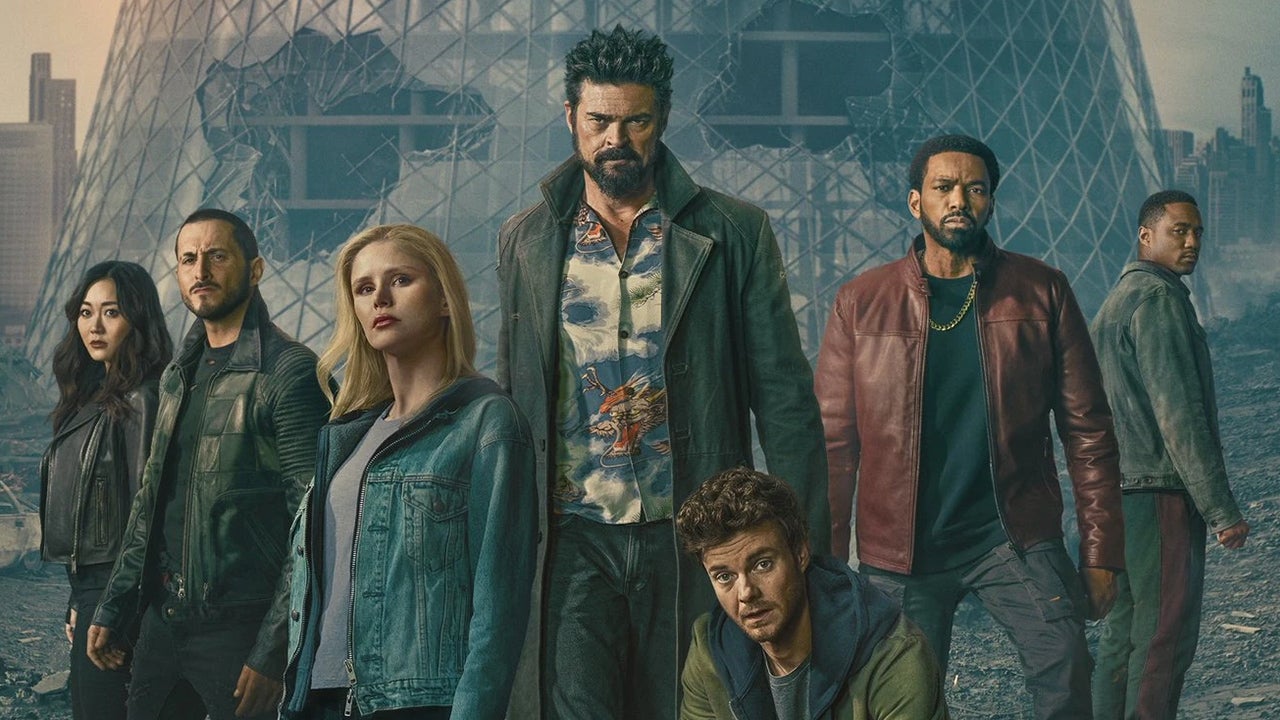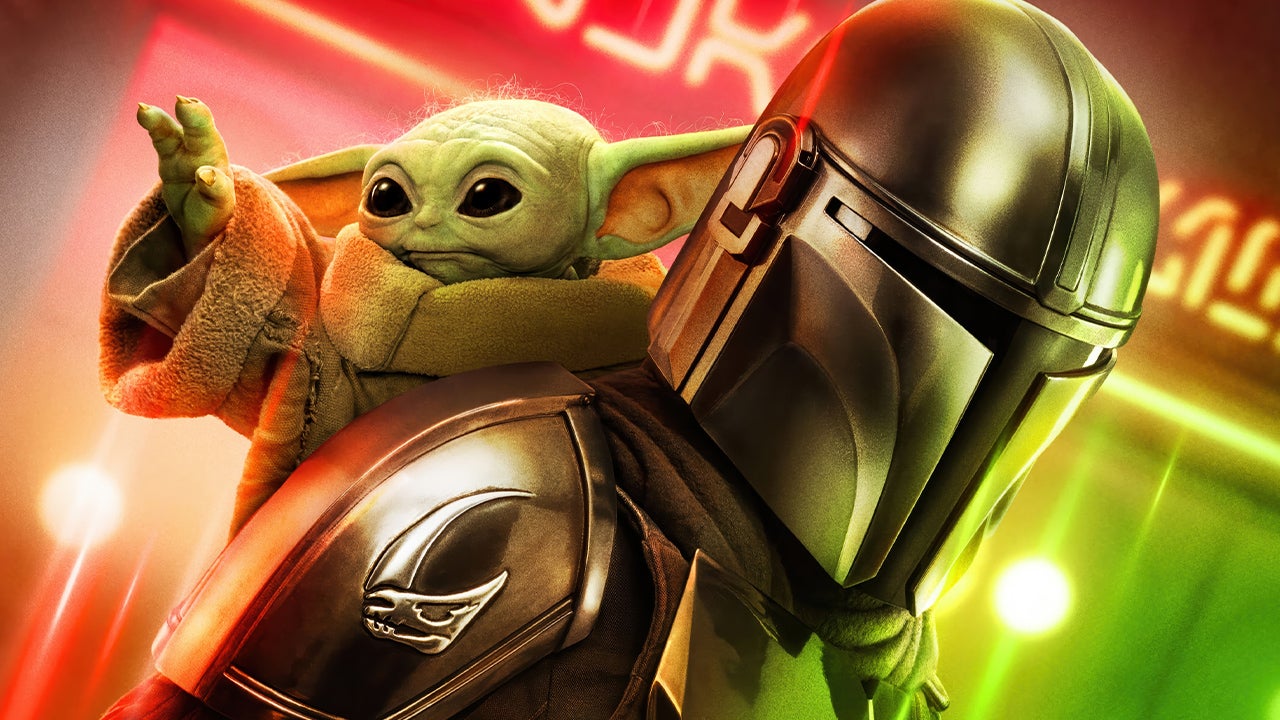
After years of dominating Disney+, Din Djarin is finally making his big-screen debut. However, our The Mandalorian and Grogu review finds that this much-anticipated return to theaters struggles to step out from the shadow of its television predecessor. While the film attempts to capture the magic of the original trilogy, it often feels trapped in a loop of self-satisfied nostalgia.
A Simple Plot with Familiar Tropes
The narrative of The Mandalorian and Grogu is straightforward: the titular bounty hunter is contracted by New Republic Colonel Ward (Sigourney Weaver) to track down Rotta (Jeremy Allen White), the adult son of the late Jabba the Hutt. The mission is driven by Jabba's siblings, who are looking to consolidate power following the events seen in The Book of Boba Fett.
Despite being a direct follow-up to the third season of the Disney+ series, the film makes some perplexing creative choices:
- Minimal Continuity: It largely ignores the groundwork laid by Din Djarin's decision to work for the New Republic on Nevarro.
- Target Audience Shift: The script feels designed for newcomers, often overlooking character developments established in the show.
- Repetitive Beats: For longtime fans, many moments—such as Grogu’s use of the Force—feel like echoes of previous episodes rather than new milestones.
While this approach might offer a cleaner entry point for casual viewers, it leaves seasoned fans feeling as though they are watching a collection of recycled beats.
Character Agency and Performance Issues
Despite having his name featured prominently in the title, Grogu lacks the meaningful agency one might expect. While he is more active in action sequences—including a high-speed chase in a specialized stroller—the film fails to impose any real consequences for his impulsivity. In the series, Grogu served as a pivot point for Din Djarin's moral evolution; here, much of his presence feels relegated to "cute" moments like cooing or hunger pangs.
The performances also suffer from the script's lack of tension:
- Pedro Pascal: As the voice of Din Djarin, Pascal feels somewhat wooden because the plot provides little opportunity to move beyond the character's signature calm.
- Din Djarin: Because the duo already understands each other perfectly, there is no friction to drive the drama forward.
- The Script: Written by Jon Favreau, Dave Filoni, and Noah Kloor, the story feels conflict-averse, which ultimately makes it feel like one of the most unexciting entries in the franchise.
Action and Spectacle
When a Star Wars film lacks character drama, the space fantasy spectacle must carry the weight. Unfortunately, the action in The Mandalorian and Grogu is inconsistent. The film reaches its peak during a chaotic, life-sized game of dejarik involving monsters from the Millennium Falcon’s holochess board, reminiscent of the Geonosis arena fights.
However, much of the combat is difficult to follow. The film frequently places Mando in close-quarters battles against CG creatures and droids in cramped spaces. While physical performers Brendan Wayne and Lateef Crowder do excellent work conveying Din Djarin's ruthlessness, the cinematography often struggles to capture the choreography effectively.
While Ludwig Göransson’s synth-heavy score provides occasional highlights, it cannot quite salvage a third act that feels like it is dragging itself toward a lackluster finish.