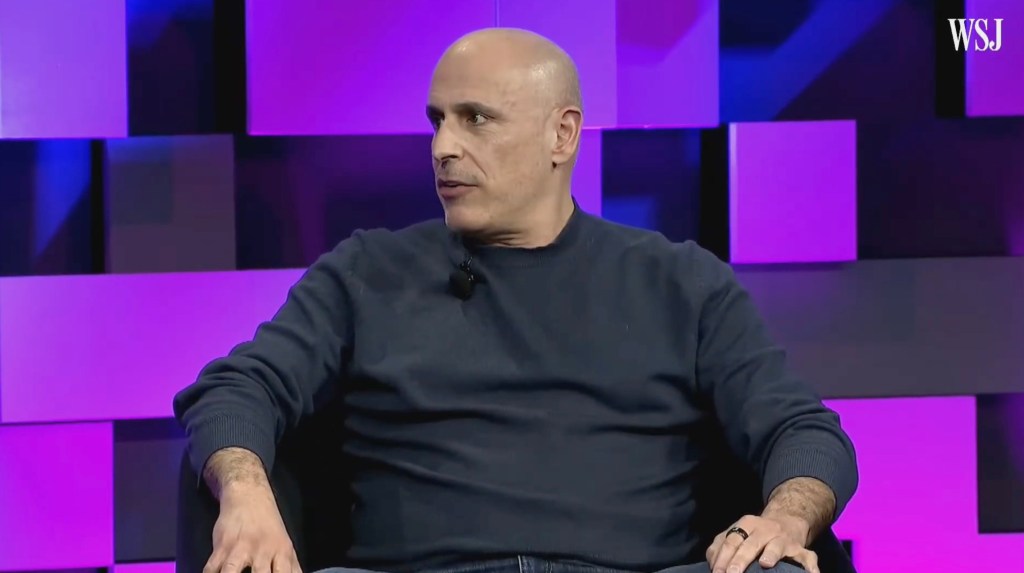
The convergence of artificial intelligence and foodservice infrastructure is fundamentally reshaping the industry’s core assumptions. According to Marc Lore, AI will soon enable anyone to open a restaurant, effectively turning conceptual ideas into functional brands within minutes.
How AI Will Enable Anyone to Open a Restaurant
Marc Lore has articulated a vision where AI serves as the backend engine for modern restaurant creation. The process relies on an AI-driven platform capable of generating branding, recipes, and critical operational details from simple text inputs. This technology dramatically reduces the traditional expertise and time required to launch a new venture.
The platform’s true appeal lies in its accessibility. By acting as a "Shopify for restaurants," the system allows a diverse range of creators—from food influencers to community chefs—to prototype concepts without needing prior physical infrastructure. This democratization enables rapid iteration based on real-time consumer feedback and lowers the barrier to entry for new entrepreneurs.
The Role of Automation and Modular Kitchens
To support this vision, the hardware must be as flexible as the software. Wonder’s programmable cooking platforms represent a shift toward highly adaptable kitchen hardware. These systems are designed for:
- Rapid reconfiguration: Allowing operators to pivot between different cuisines with minimal downtime.
- Consistent quality: Executing diverse menus through automated dispensing and robotics.
- Scalable throughput: Increasing food output without proportionally increasing staffing levels.
- Repeatable execution: Using robotics to handle tasks like sauce formulation and ingredient assembly, addressing the variability issues that plagued earlier ghost-kitchen models.
Strategic Growth and Market Challenges
Wonder’s growth strategy involves acquiring established brands to integrate them into its network of tech-enabled kitchens. By incorporating assets like Grubhub and Blue Apron, the company bolsters its delivery capabilities and creates a tighter loop between ordering, preparation, and consumption. These acquisitions provide immediate brand recognition and essential data streams to refine AI recommendations.
However, the path to widespread adoption is not without significant hurdles:
- Technical limitations: Current systems struggle with highly delicate or complex dishes that still require human intervention.
- Regulatory compliance: Navigating food safety and local laws remains a complex task for automated systems.
- Cultural nuance: Replicating local tastes across diverse markets requires a level of culinary intuition that AI may not yet fully possess.
The Future of Hospitality
Lore’s roadmap targets multi-million-dollar throughput within compact, highly efficient spaces. If successful, this model could redefine small-scale hospitality as a service rather than an ownership-heavy enterprise. While the intersection of AI and foodservice remains partially speculative, the early indicators suggest a viable pathway for non-traditional operators to enter the industry. The ultimate success of this shift will depend on balancing technological rigor with the authentic culinary identity that drives the human dining experience.