What if the next generation of urban mobility arrives not through flashy new brands, but via the quiet evolution of familiar silhouettes reimagined as autonomous platforms?
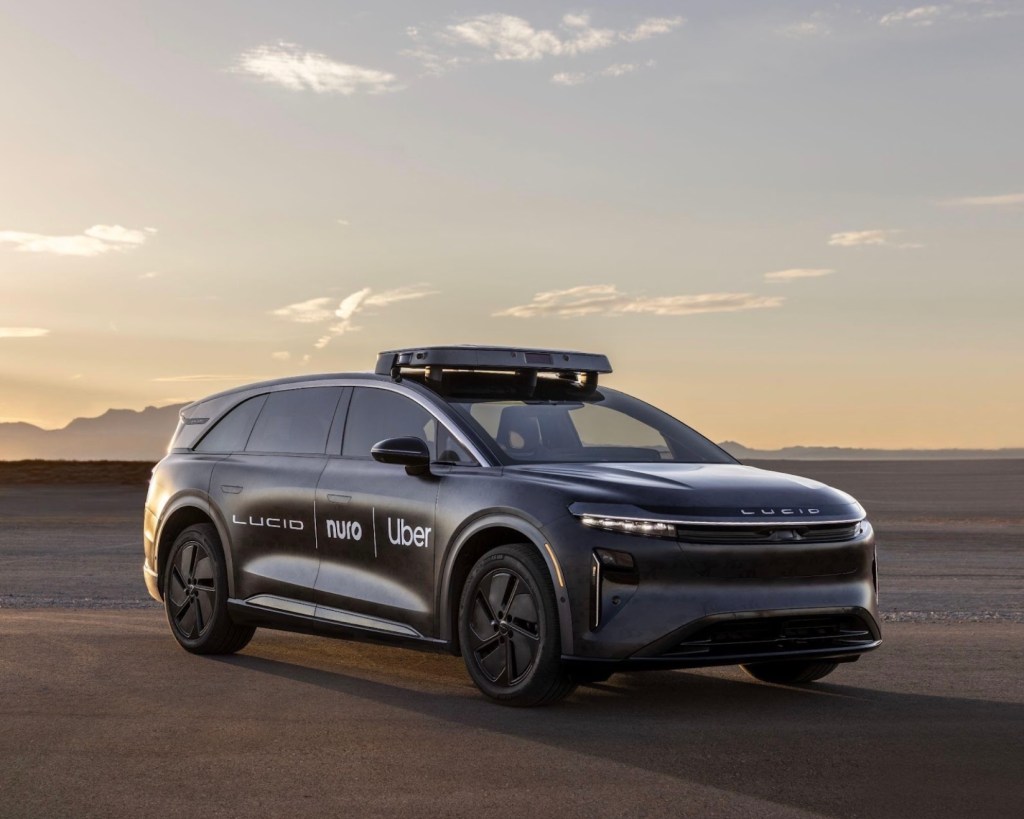
The California Department of Motor Vehicles has granted Nuro an expanded driverless testing permit, enabling the startup to deploy Lucid Gravity SUVs on public roads without a safety operator present. This authorization represents a pivotal juncture in the global race to commercialize fully driverless ridesharing services.
A Major Shift in Nuro's Driverless Testing Permit Scope
Previously, Nuro’s regulatory authority was limited to low-speed delivery vehicles. However, this new permit covers high-capacity passenger vehicles—specifically Lucid Gravity models—signaling a massive strategic shift from goods transport to passenger-focused mobility.
The expansion is supported by significant industry momentum:
- Strategic Investment: Nvidia and Uber have reinforced their alliance through multi-billion-dollar commitments, underscoring confidence in the underlying technology stack.
- Testing Evolution: While current trials maintain an onboard safety driver, the goal is to gradually phase out human intervention as regulatory approvals progress.
- Fleet Ambition: Lucid’s roadmap includes scaling production across EV platforms, with at least 10,000 Gravity SUVs earmarked for future robotaxi deployment.
The Technology Powering Future Robotaxis
To achieve reliable autonomous navigation, Nuro’s system leverages the Nvidia Drive AGX Thor compute platform. This hardware integrates high-resolution cameras, solid-state lidar, and advanced radar sensors to ensure robust environmental perception.
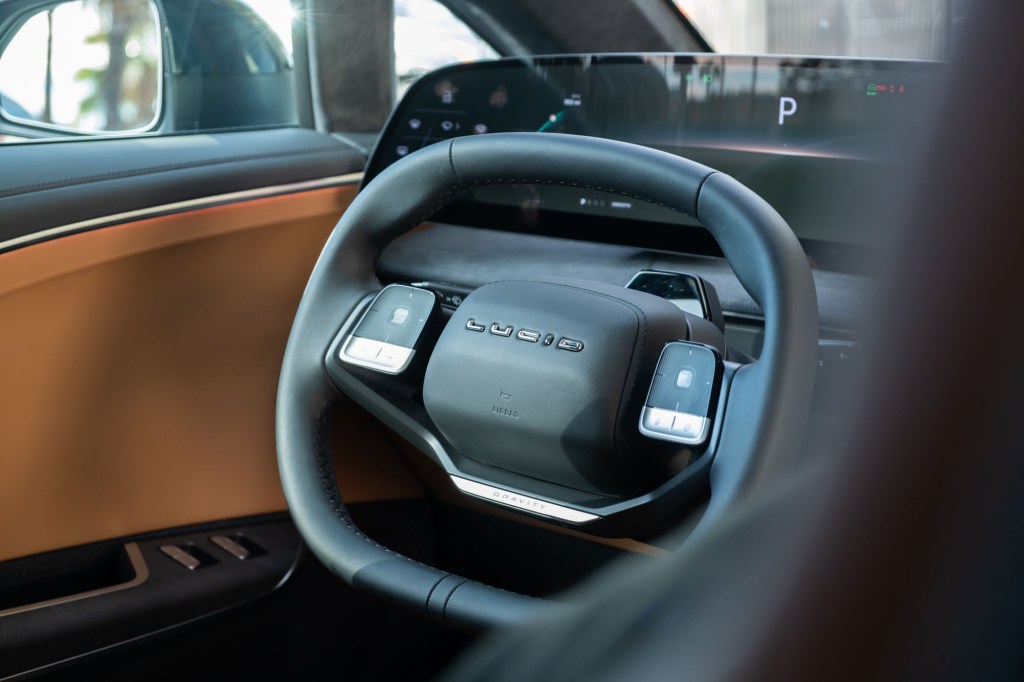
The vehicle architecture itself is just as critical. The Lucid Gravity’s structural design prioritizes passenger safety through reinforced occupant compartments, while the software layer focuses on complex predictive path planning across diverse urban scenarios. This integration of premium hardware and sophisticated AI positions Nuro as a serious contender in Uber's premium service ambitions.
Regulatory Hurdles and the Road to 2026
Despite this milestone, significant challenges remain before a full-scale launch. Beyond the DMV’s driverless testing permit, Nuro must secure specific ride-hailing authorization from the California Public Utilities Commission (CPUC) and navigate additional deployment approvals through various state agencies.
Each layer of regulatory clearance demands rigorous safety demonstrations and extreme transparency regarding incident mitigation protocols. The industry is now watching for measurable improvements in perception accuracy and decision-making under "edge-case" conditions.
If Nuro can meet these escalating compliance thresholds, California could witness early commercial operations by late 2026. For the tech and automotive sectors, the focus has officially shifted from mere vehicle engineering to systemic integration—determining how autonomous pods will interact with existing infrastructure, emergency services, and the future of urban planning.