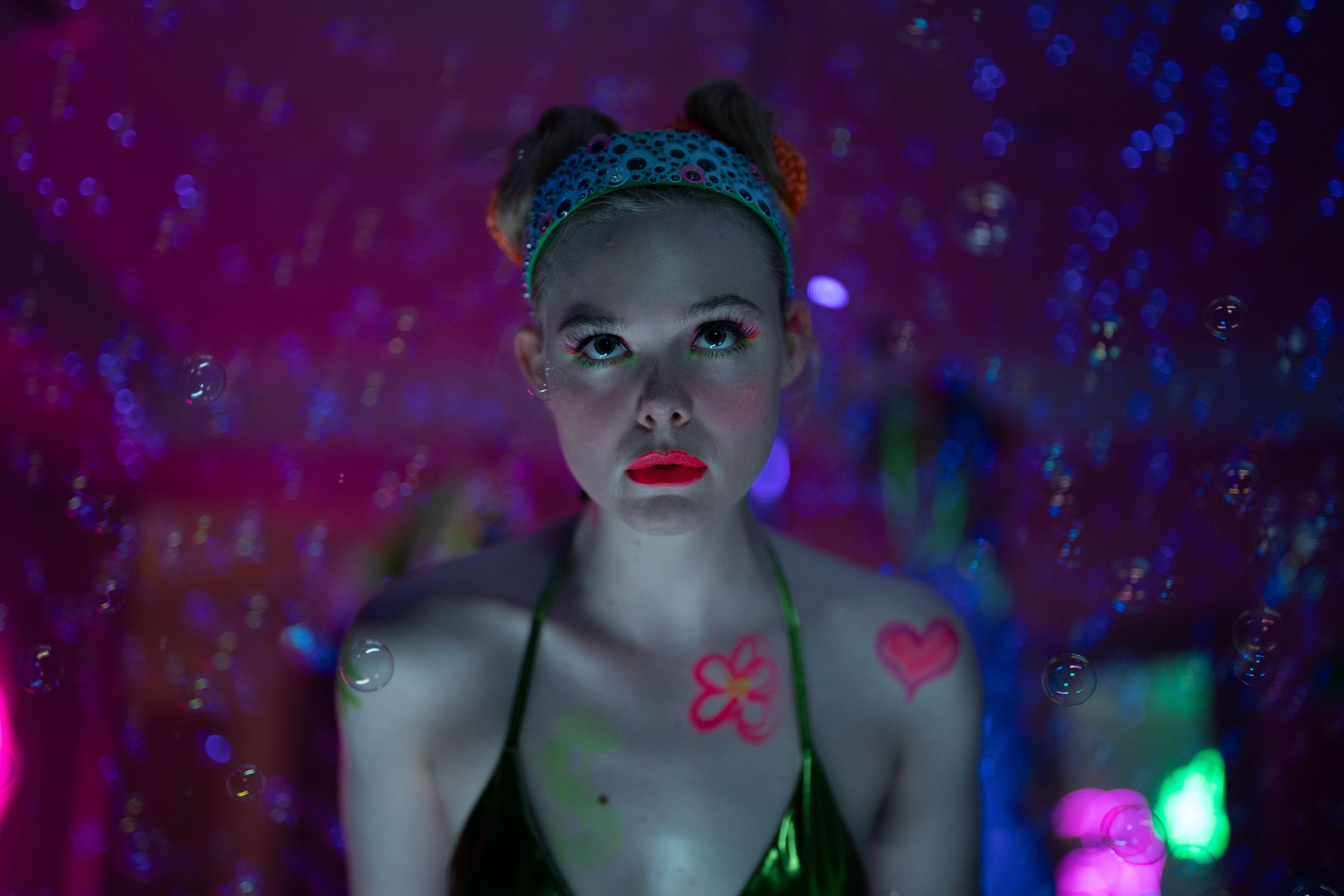
TV’s OnlyFans Wars: How Margo’s Got Money Troubles Reclaims Agency
Ten years ago, OnlyFans launched as a modest platform for content creators to monetize their work directly. Today, it has evolved into a cultural behemoth, hosting over four million creators and fundamentally reshaping the economic landscape for a generation of digital workers. This shift has forced Hollywood to confront the reality that online content creation is no longer a niche curiosity but a central pillar of the modern gig economy.
As society grapples with the implications of this new labor model, television dramas are increasingly turning to OnlyFans not just for sensationalism, but as a lens through which to examine class, autonomy, and the commodification of intimacy. Two major series currently dominating the cultural conversation offer starkly different interpretations of this phenomenon: Apple TV+’s Margo’s Got Money Troubles and HBO’s Euphoria. While both shows utilize the platform as a narrative device, their approaches reveal a deep divide in how mainstream media understands the sex worker’s experience.
Margo’s Got Money Troubles seeks to demystify the grind of content creation, presenting it as a mundane, strategic business. In contrast, Euphoria leans heavily into the psychological toll and ethical ambiguities, often framing its characters’ participation as a descent into degradation.
The Mundane Economics of Intimacy
Margo’s Got Money Troubles, adapted from Rufi Thorpe’s 2024 novel, follows Margo Millet, a college dropout and single mother who turns to OnlyFans out of sheer financial necessity. Unlike the glamorous or tragic archetypes often reserved for sex workers in fiction, Margo is portrayed as a pragmatic entrepreneur navigating a difficult market. Her content is niche, bordering on absurd: she specializes in "constructive, recreational appendage analysis," offering subscribers humorous, Pokémon-themed critiques of their genitalia for $20 a month.
This approach highlights a critical, often overlooked aspect of the OnlyFans economy: visibility. Margo quickly learns that talent alone does not guarantee income; marketing does. She must adopt a persona, "Hungry Ghost," and collaborate with cosplay enthusiasts to create viral micro-dramas on TikTok and Instagram. This mirrors the real-world strategies of many successful creators who treat their platforms as small businesses.
The show emphasizes the community aspect of sex work, which is frequently erased in favor of isolated, lonely narratives. Key elements of Margo’s success include:
- Cross-platform synergy: Utilizing TikTok and Instagram to drive traffic to her OnlyFans page, a standard practice for creators without pre-existing fame.
- Niche branding: Developing a unique, humorous angle to stand out in a saturated market.
- Collaborative networks: Working with other creators to expand reach and foster a sense of solidarity rather than competition.
By focusing on these logistical details, the series humanizes Margo’s work. It is not a tragic fall from grace, nor a glamorous fantasy, but a job that requires resilience, creativity, and business acumen.
The Spectacle of Shock Value
In stark contrast, HBO’s Euphoria portrays its characters’ foray into OnlyFans as a spiral of exploitation and psychological unraveling. The character of Cassie, initially driven by the desire to fund her wedding, quickly becomes entangled in a darker world of humiliation kinks and extreme content. Director Sam Levinson has stated that he intended to frame these storylines with a layer of absurdity, yet the result often reads as a sensationalized exploration of female pain.
Cassie’s journey is marked by a loss of agency. She engages in age play, giantess fantasies, and other extreme behaviors, not as expressions of autonomy, but as desperate attempts to maintain relevance in a fickle algorithm. The show frames her success as hollow, emphasizing the emotional cost over the financial gain. This narrative aligns with a long-standing trope in media that equates sex work with victimhood, ignoring the agency and diversity of experiences within the industry.
The difference in tone is not accidental. While Margo’s Got Money Troubles draws inspiration from real creators who use humor and authenticity to build sustainable careers, Euphoria seems more interested in the shock value of controversy. Real-world creator Annie Knight, whose persona was partly inspired by Cassie’s arc, notes that while controversy can be profitable, it often comes at the cost of genuine connection and long-term stability.
A Divided Cultural Mirror
The juxtaposition of these two shows reflects a broader cultural anxiety about the future of work. OnlyFans represents the dissolution of traditional boundaries between public and private, labor and leisure. For some, it is a tool of empowerment, offering financial independence and creative control. For others, it is a symbol of late-stage capitalism’s encroachment into the most intimate aspects of human life.
Margo’s Got Money Troubles offers a more nuanced and realistic portrayal of this duality. It acknowledges the challenges of the platform—algorithmic obscurity, societal stigma, financial instability—without resorting to moral panic. By focusing on Margo’s strategic brilliance and her support network, the show presents a vision of sex work that is grounded, complex, and deeply human.
As the creator economy continues to expand, media representations will play a crucial role in shaping public understanding. The choice to depict sex work as a dignified labor of love, as seen in Margo’s Got Money Troubles, or as a cautionary tale of moral decay, as seen in Euphoria, will influence how society views the millions of workers who rely on these platforms. The latter approach, while dramatic, risks perpetuating harmful stereotypes that ignore the reality of the digital gig economy. The former offers a path toward a more empathetic and informed discourse.