The Evolution of Wearable Health: Why Smart Rings Matter in 2026
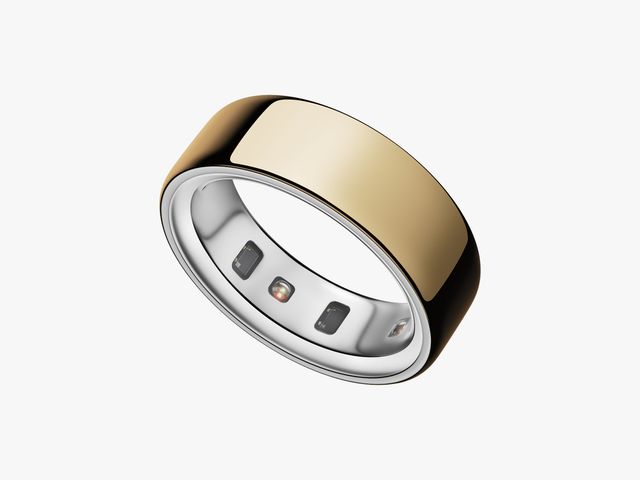
The subtle gleam of metal against the skin offers a quiet promise of insight. A sleek band slides effortlessly onto the finger, promising to quantify sleep cycles, monitor resting heart rate fluctuations, and gauge daily readiness without the visual assault of a wrist-mounted display. The market for smart ring brands has matured past novelties, evolving into serious contenders for chronic health monitoring. These devices are now challenging established smartwatch paradigms with their discreet form factor and continuous data collection capabilities.
Evaluating Sensor Accuracy and Software Depth
The core promise of any wearable revolves around its data fidelity. While all three leaders—Oura, RingConn, and Samsung—employ sophisticated sensors measuring PPG (photoplethysmography), temperature shifts, and oxygen saturation, the true differentiator often resides in how the proprietary algorithms process that raw input. Raw sensor readings are only half the equation; the interpretation layer dictates utility.
- Oura’s platform has historically set a high bar for longitudinal trend detection, particularly its ability to signal physiological changes when an underlying illness affects core metrics like respiration rate.
- RingConn Gen 2 Air offers robust tracking capabilities paired with a significantly lower barrier to entry through its commitment to being subscription-free for core functions.
- Samsung integrates the ring into the broader Galaxy AI ecosystem, meaning its deepest insights—like predictive wellness tips—are deeply tethered to the native smartphone experience.
Ecosystem Integration and Usability in 2026
A device cannot exist in a vacuum; its value is intrinsically linked to the software it feeds into. The seamlessness of integration determines daily usability more than marginal sensor improvements. Comparing these rings reveals distinct ecosystem philosophies, which directly impact user retention.
The difference between an all-Android/Samsung experience versus one open to general iOS/Android use cases is profound. For those deeply invested in the Samsung Galaxy line, the Galaxy Ring offers unparalleled interoperability; its ability to manage tasks alongside a paired watch creates a single, interconnected health node. Conversely, Oura’s longevity and established third-party research partnerships give it an unmatched depth of data aggregation across multiple specialized wellness platforms.
The Subscription Divide
Subscription models remain the industry's sharpest dividing line. While Oura leverages its subscription to fund continuous R&D and deep feature sets, RingConn directly counters this by offering high-quality tracking without mandatory ongoing fees. This creates a fundamental choice for consumers: pay for aggregated data depth or own the hardware outright.
Design and Wearability
Physical design matters for long-term wearability. A ring that is too bulky or slips easily compromises data integrity. The best contenders have engineered profiles that mimic jewelry while housing advanced electronics, ensuring comfort during sleep and daily activities.
Long-Term Value Proposition: Cost vs. Capability
Deciding which smart ring represents the superior investment requires balancing upfront cost against sustained utility. The market has clearly segmented itself between premium, feature-rich platforms and durable, cost-effective trackers. The comparison boils down to prioritizing software depth versus hardware independence.
Consider these factors when weighing your options:
- Best for Deep Health Metrics: Oura often leads here due to its reputation and the depth of historical data analysis it provides through paid tiers.
- Best Value/No Subscription: RingConn presents a compelling case, delivering excellent baseline tracking metrics without locking the user into recurring monthly costs.
- Best for Samsung Users: The Galaxy Ring is engineered to maximize utility within the Samsung Galaxy mobile ecosystem, offering unique gesture controls and tight feature parity with other flagship devices.
Ultimately, while both Oura and Samsung offer near-flagship functionality when paired correctly, the sheer longevity of use without penalty tips the scales toward a different kind of value proposition. The smart ring market is settling into distinct camps: those who pay for continuous insight refinement (Oura), those who prioritize hardware integration (Samsung), and those who want powerful tracking without ongoing commitment (RingConn). For the discerning user requiring deep data but wary of subscription handcuffs, the current offering from RingConn represents a remarkably potent balance point in 2026.