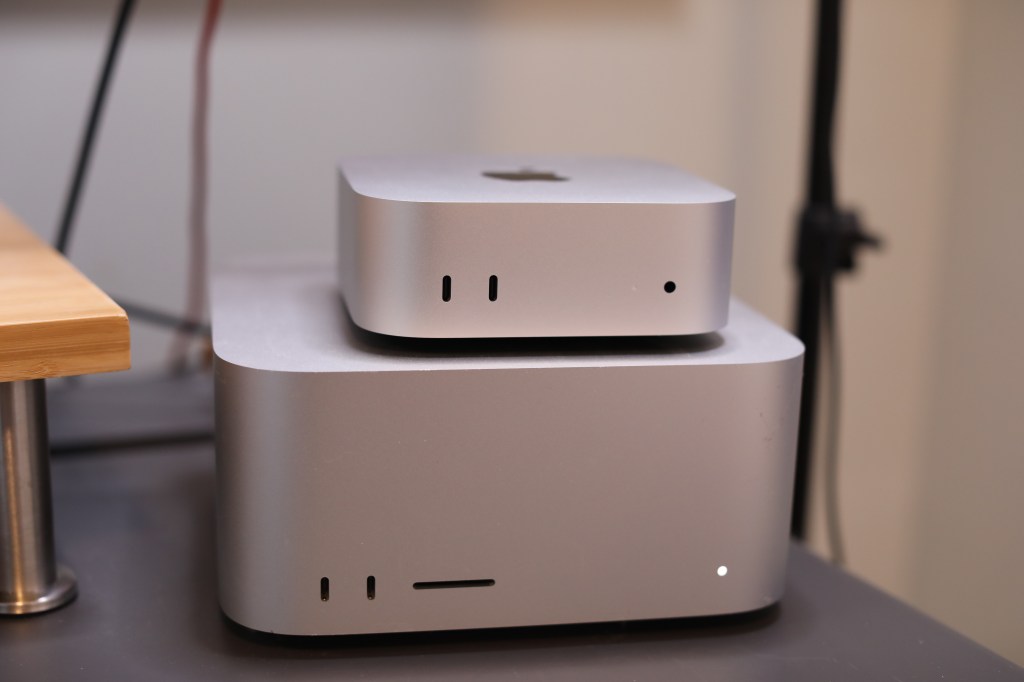
The base-model M4 Mac mini, originally retailing for $599, has vanished from Apple’s official storefront. This disappearance has triggered a frenzy in the secondary market, where marked-up Mac minis flood eBay amid shortages driven by AI demand. With the $599 configuration featuring 16GB of RAM and 256GB of storage unavailable for direct purchase, a massive vacuum has formed in the consumer hardware landscape.
This shortage is more than just standard supply chain fluctuation. It represents a targeted surge in demand fueled by the burgeoning era of on-device artificial intelligence.
The Rise of Local AI Infrastructure
The sudden scarcity of the Mac mini coincides with a fundamental shift in how developers approach large language models (LLMs). While cloud-based solutions like ChatGPT and Claude dominated the initial wave, a new movement toward local inference is gaining massive momentum.
The M4 architecture, featuring an upgraded Neural Engine and high-bandwidth unified memory, provides the ideal environment for running heavy workloads without external servers. Because of this, marked-up Mac minis flood eBay amid shortages driven by AI needs as users seek out this specific hardware.
Why the Mac mini is the Preferred AI Hardware
The Mac mini has emerged as the go-to choice for the "at-home" AI movement due to several technical advantages:
- Thermal Efficiency: Unlike laptops, the Mac mini’s thermal design is optimized for sustained workloads without throttling.
- Power Management: The M4's high performance-per-watt makes it an economical choice for 24/7 AI agents and local servers.
- Acoustic Profile: For home office setups, the silent operation offers a significant advantage over louder workstation alternatives.
- Cost-to-Performance Ratio: At its base price, it provides the most accessible entry point into Apple's high-performance silicon ecosystem.
This demand is being fueled by an ecosystem of specialized tools. Following the popularity of OpenClaw, users are turning to alternatives like ZeroClaws, Anthropic-integrated workflows, and local implementations of Perplexity Computer. These applications require consistent access to high-speed memory, making the M4’s unified architecture a critical component.
Secondary Market Volatility and Supply Constraints
As Apple's retail inventory dries up, eBay has become the primary battleground for hardware enthusiasts. The pricing disparity is stark; "open box" units are frequently listed between $715 and $795. Meanwhile, certain "excellent" refurbished models have been spotted as high as $979. Even lightly used configurations are commanding premiums of over $100 above the original MSRP.
This shortage is exacerbated by broader industry-wide pressures. Reports from Bloomberg suggest that an ongoing memory crunch within the semiconductor industry is complicating production timelines. When combined with rumors of an upcoming Mac mini hardware refresh, the supply chain appears caught in a bottleneck.
The impact is also spilling over into the professional tier. As the Mac mini becomes harder to source, demand is migrating toward the Mac Studio, which is seeing similar sell-outs across several configurations. Interestingly, this does not appear to be a general lack of Apple hardware, as MacBook Pro and MacBook Neo models continue to ship within reasonable windows.
The Verdict: A New Hardware Paradigm
The current state of the market serves as a canary in the coal mine for the tech industry. We are witnessing the birth of a new category of consumer demand: the AI-ready workstation. When a specific device becomes a foundational tool for a technological movement, traditional supply chains struggle to keep pace.
Until Apple can stabilize the supply of M4 units and address underlying memory constraints, the secondary market will likely remain inflated. For enthusiasts, this means navigating much higher entry costs or waiting through a period of significant hardware scarcity. The era of local AI is here, and it is currently outstripping the industry's ability to provide the necessary silicon.