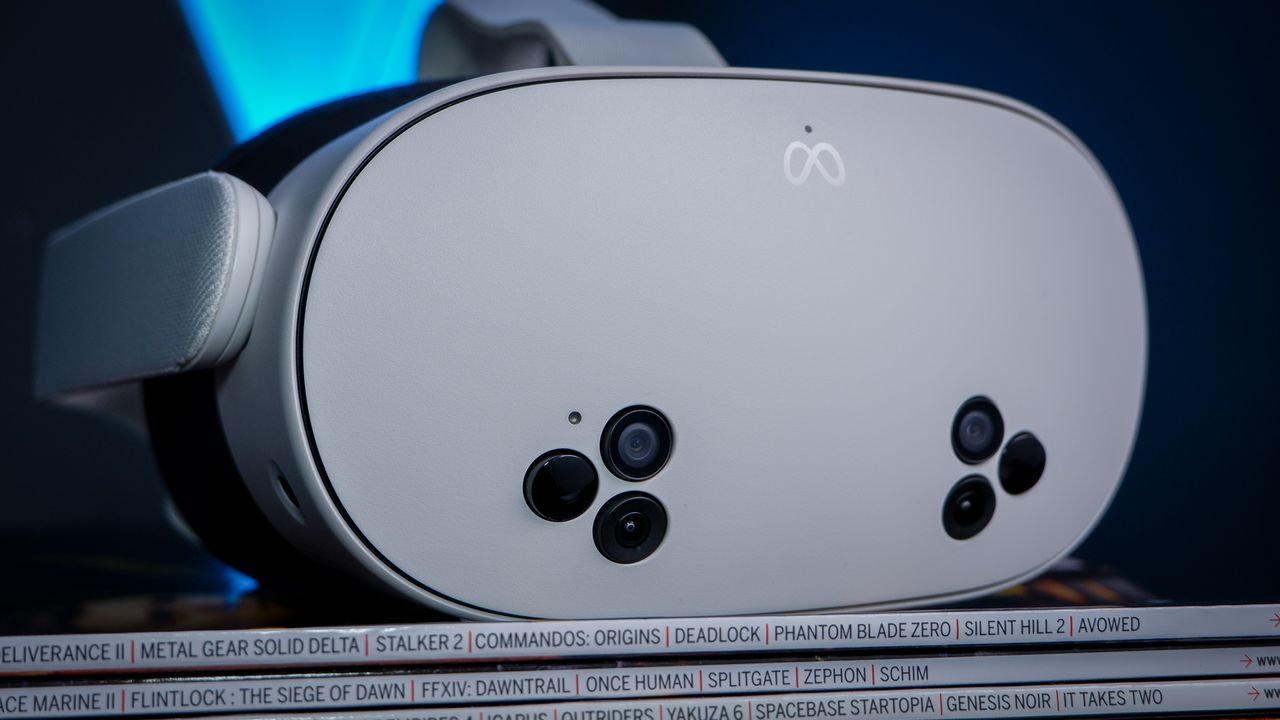
Meta has announced it is increasing the retail price of its Quest 3 and Quest 3S VR headsets. According to a recent company blog post, the price hike is driven by the soaring costs of critical components—specifically memory chips—which are impacting the entire consumer electronics industry.
This price adjustment will take effect on April 19, 2026, and notably extends to refurbished units as well.
New Pricing for Quest 3 and Quest 3S
The price increases vary significantly by region and model. In the United States, users will see a $100 increase for the Quest 3 512 GB model and a $50 jump for both Quest 3S configurations.
The updated pricing structure is as follows:
| Region | Quest 3 (512 GB) | Quest 3S (256 GB) | Quest 3S (128 GB) | | :--- | :--- | :--- | :--- | | US (USD) | $600 | $450 | $350 | | UK (GBP) | £550 | £410 | £320 | | EU (EUR) | €620 | €470 | €360 | | Canada (CAD) | $830 | $630 | $480 | | Australia (AUD) | $969 | $729 | $569 |
In the UK, where the Quest 3 is currently retailing for approximately £469, this change represents a sharp increase of roughly £81.
The Role of AI Infrastructure in Memory Costs
The surge in memory chip prices is largely fueled by the massive explosion in demand for AI infrastructure. Market research firm TrendForce anticipates another 45-50% price hike in Q2 2026 due to limited supply, affecting everything from DDR3 to modern DDR5 modules.
While Meta cites global trends as the cause, the company is also a primary driver of this demand. Meta is significantly ramping up its investment in AI-related datacenter infrastructure, planning to spend $135 billion in 2026—nearly double its previous year's expenditure. This aggressive spending puts Meta in direct competition with other tech giants for the same limited supply of high-performance memory.
Impact on Hardware Specifications
- Memory Type: The Quest 3 and Quest 3S utilize 8 GB of LPDDR5.
- Supply Chain: DDR5 has been among the first to feel the brunt of these industry-wide price hikes.
- Market Shift: Increased demand for AI hardware is cannibalizing the supply available for consumer VR devices.
Meta’s Strategic Pivot: From Metaverse to AI
These price increases arrive at a complicated time for Reality Labs, the division responsible for the Quest lineup. The division has faced billions of dollars in quarterly losses for several years. While Meta claims it is "doubling down" on VR, there are clear signs of a strategic shift toward artificial intelligence.
The disappearance of Meta Horizon Worlds from the Quest store on March 31 suggests a narrowing focus. Despite acknowledging that the VR industry hasn't grown as quickly as anticipated, Meta insists its long-term roadmap remains intact.
"Meta remains committed to investing in VR and leading the category because we believe this is the future of computing," the company stated. "We have a long-term roadmap full of new hardware and experiences, and this adjustment helps us stay on track to deliver that future."