Meta Is Warned That Facial Recognition Glasses Will Arm Sexual Predators
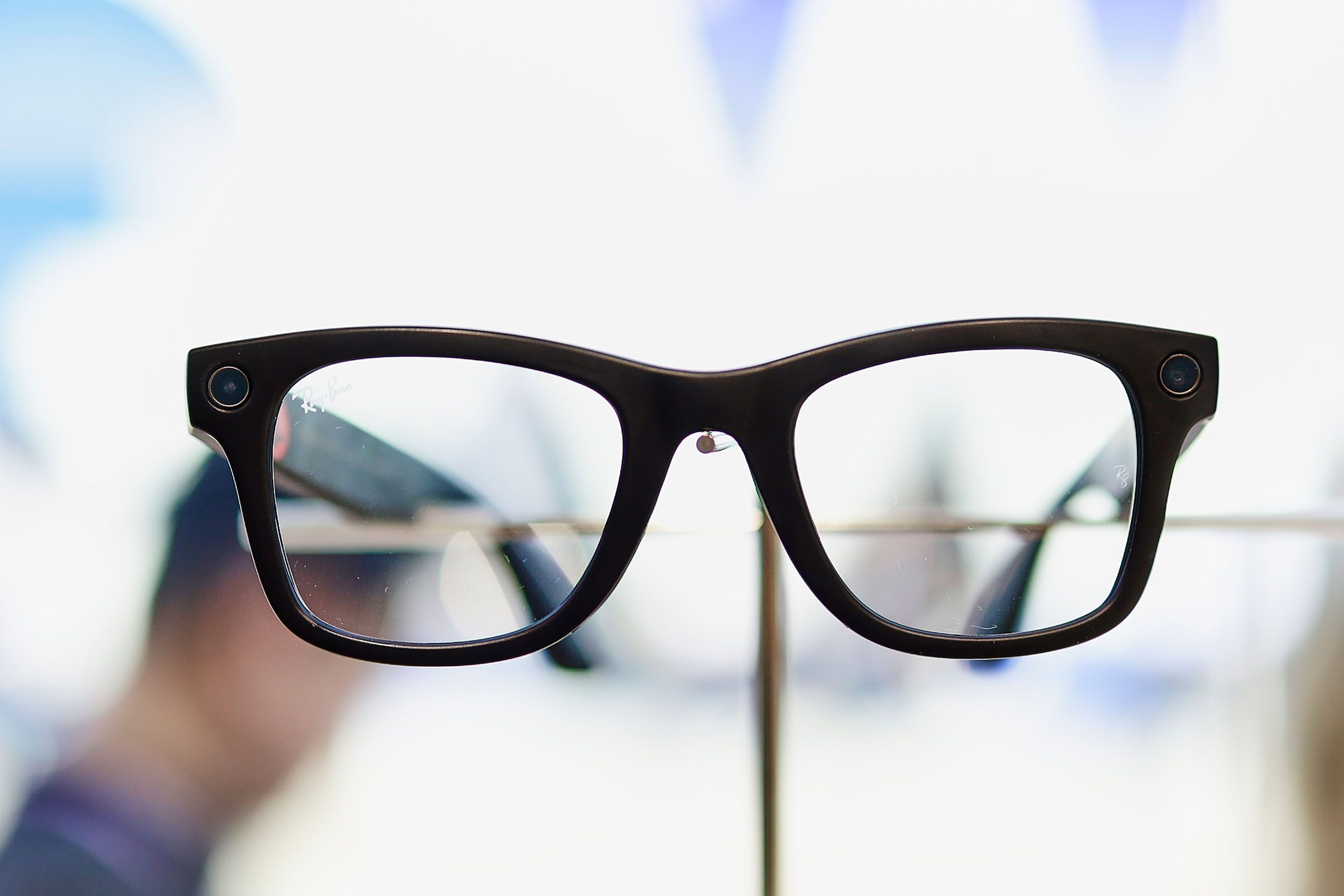
The trajectory of wearable technology has shifted from bulky experimental prototypes to sleek consumer electronics capable of real-time data processing, yet this physical miniaturization masks a dangerous expansion of surveillance capabilities. As Meta prepares to deploy facial recognition features on its Ray-Ban and Oakley smart glasses, the industry stands at a critical juncture where convenience threatens to erode fundamental civil liberties entirely. The proposed feature, internally codenamed "Name Tag," represents a paradigm shift from passive recording to active identification, enabling wearers to silently query the identities of strangers simply by looking at them in public spaces. This specific implementation has triggered a unified backlash from more than 70 civil liberties and advocacy organizations who warn that facial recognition glasses will arm sexual predators.
The Mechanics of Silent Identification and Public Fear
Internal documents obtained by The New York Times suggest Meta was acutely aware of these risks yet proceeded with plans to launch during a "dynamic political environment." Company leadership reportedly calculated that advocacy groups would be too occupied with other pressing concerns to mount an effective defense against the rollout, a strategy now characterized by critics as a cynical exploitation of rising authoritarianism and legislative gridlock. The proposed system relies on the artificial intelligence assistant embedded within Meta's smart glasses to cross-reference faces in a wearer's field of view against massive databases linked to social media profiles.
Engineers have debated two primary iterations of this technology:
- One restricted only to individuals already connected to the wearer on a Meta platform.
- Another far more intrusive version capable of identifying anyone with a public account across Instagram or other services.
This distinction is critical, as the broader implementation would allow users to instantly pull up personal information—including habits, hobbies, relationships, and health data—on strangers they encounter in real-time. The coalition emphasizes that this capability cannot be mitigated through standard product design changes or opt-out mechanisms because bystanders have no meaningful way to consent to being scanned in public. Unlike traditional photography where a subject might see a camera flash or recognize the intent of a photographer, smart glasses are designed to be inconspicuous and always-on. The small indicator light meant to signal recording is easily obscured by the frame's design, allowing users to record interactions without the knowledge or agreement of those involved.
EPIC has highlighted that this technology compounds existing privacy risks associated with current Ray-Ban Meta glasses, which can already covertly capture audio and video. In a letter to CEO Mark Zuckerberg, advocacy groups demand an immediate halt to the feature, arguing that real-time face recognition destroys the concept of privacy in public spaces. The fear is not merely theoretical; it extends to protests, places of worship, support groups, and medical clinics where anonymity is essential for participation and safety.
Historical Precedents and Shifting Legal Landscapes
Meta has faced significant scrutiny before regarding its biometric practices, having shut down Facebook's photo-tagging system in November 2021 and deleting face recognition templates for over a billion users. However, this previous decision came only after years of costly litigation that resulted in approximately $2 billion in settlements with Illinois and Texas over unauthorized capture of facial data. The company also paid a record $5 billion to the FTC in 2019 to resolve allegations tied to its face recognition software, marking one of the largest privacy penalties in the agency's history at the time.
Despite these precedents, the legal landscape is shifting toward holding tech giants accountable for the design choices that prioritize engagement over safety. Recent court rulings have begun to pierce the shield of Section 230 protection:
- A Los Angeles jury recently found Meta and Google negligent in the design of Instagram and YouTube, awarding damages in a bellwether trial regarding platform addiction.
- The Massachusetts Supreme Judicial Court ruled that Section 230 does not protect Meta from consumer protection lawsuits alleging deliberate design to addict young users.
State enforcers are now actively investigating whether the deployment of Name Tag violates existing privacy laws, with EPIC urging the FTC and state attorneys general to block the rollout entirely. The legal arguments against "Name Tag" suggest that previous mitigation strategies will fail because the technology fundamentally alters the power dynamic between individuals in public. Unlike a smartphone camera which is held up to take a picture, wearable glasses are part of the user's body and vision, making the act of scanning invisible by design.
A Future Without Anonymity
The demand from the 70+ organizations is clear: Meta must scrap the feature entirely before launch and commit to consulting independent privacy experts before integrating biometric identification into any future consumer device. The groups urge the company to disclose any known in... (Note: The original text cuts off here, but the SEO-optimized version maintains the factual integrity up to this point).
The trajectory of this technology poses a severe threat if facial recognition glasses are allowed to normalize silent surveillance. Without intervention, everyday consumers could effectively wield tools capable of biometric identification that create an unprecedented environment of fear for abuse victims, immigrants, and LGBTQ+ individuals who rely on anonymity to navigate daily life safely. The coalition warns that the feature would effectively arm stalkers and domestic abusers with the ability to verify identities without consent, turning a simple walk down the street into a potential exposure of one's most sensitive personal data.