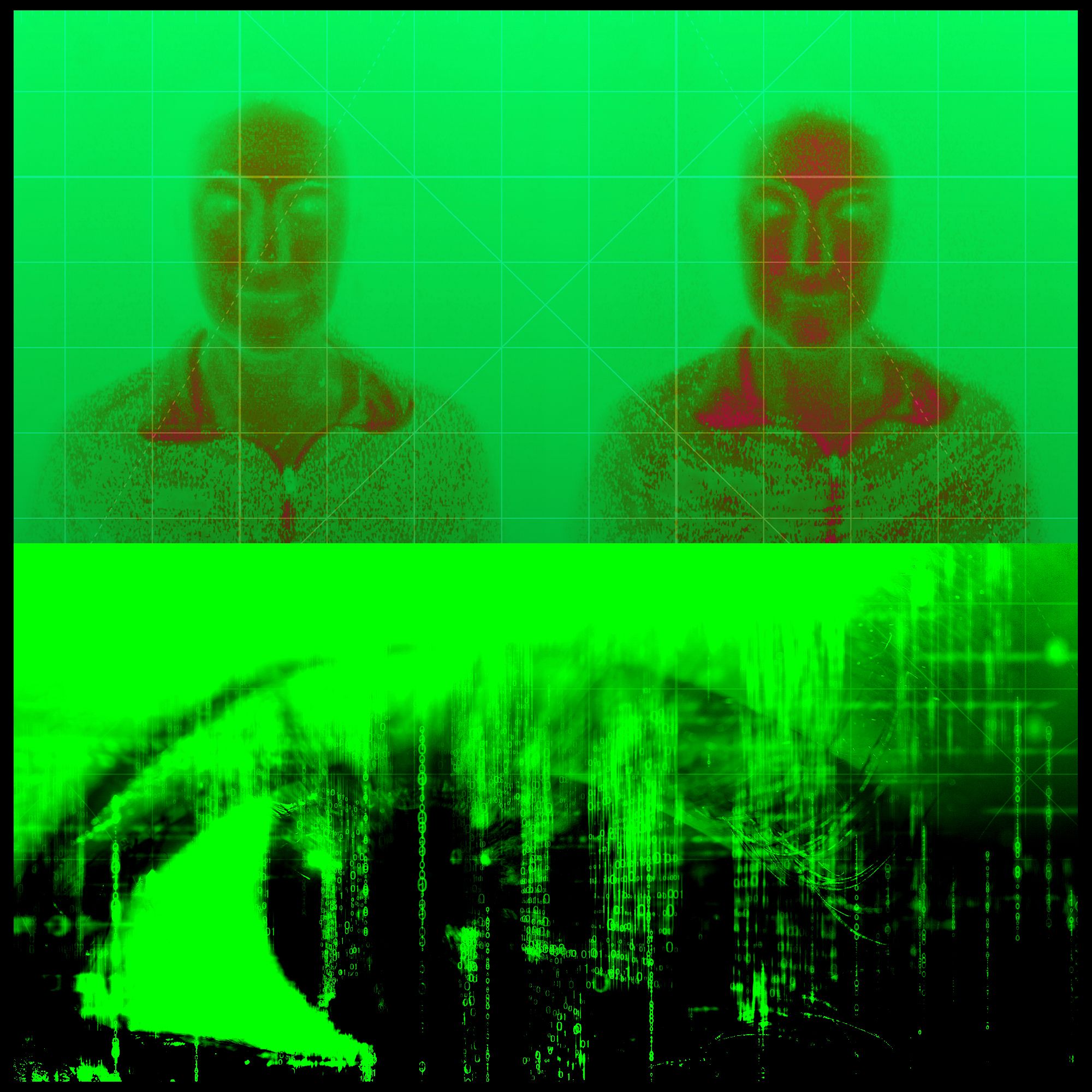
Smartphone display architecture has long been defined by a persistent conflict between screen real estate and the hardware requirements of biometric security. For years, the industry has moved from the intrusive "notch" seen in early full-screen devices to the more refined "punch-hole" camera systems that dominate modern Android flagships. Even Apple’s recent implementation of the Dynamic Island on the iPhone 14 and subsequent models represents a compromise—a way to integrate hardware into the software rather than removing it entirely. While this approach manages the aesthetic impact, the physical cutout remains a fundamental limitation to the dream of a truly continuous, uninterrupted display.
The Physics of Metasurfaces
The emergence of metasurface technology offers a potential departure from traditional optical engineering. Traditional camera modules rely on multiple layers of plastic or glass lenses to refract light, correct aberrations, and focus images onto a sensor. This stack is inherently bulky, creating the very depth required for visible hardware cutouts. Metalenz, a Boston-based optics startup, has developed a system that replaces these thick elements with a single, flat lens utilizing specialized nanostructures.
These nanostructures are engineered to bend light rays toward the sensor with extreme precision, requiring only a fraction of the space used by conventional multi-lens systems. This technology is not merely theoretical; more than 300 million Metalenz metasurfaces are already integrated into consumer electronics, primarily serving as time-of-flight (ToF) sensors for depth perception and autofocus enhancement. By shrinking the optical footprint, the barrier to hiding complex sensors beneath the surface of a device begins to dissolve.
Polar ID and Enhanced Biometrics
The most significant leap forward involves a new platform known as Polar ID. While standard facial recognition systems often rely on 2D or basic 3D mapping, Polar ID utilizes polarization data to verify identity. Every material possesses a unique polarization signature—the way it reflects and scatters light based on its physical properties. When light interacts with human skin, it produces a distinct pattern that is fundamentally different from the light reflecting off synthetic materials like silicone or plastic.
This capability addresses one of the most critical vulnerabilities in modern biometric authentication: the high-quality 3D mask spoofing attack. Because the system can distinguish the biological signature of skin from the artificial signature of a mask, it provides a level of security that far exceeds current industry standards. The advantages of this approach include:
- Anti-spoofing capabilities that can detect even sophisticated 3D facial replicas.
- Consistent performance across varying light environments, unlike traditional optical systems.
- Reduced hardware footprint, allowing for integration into much thinner device profiles.
- Integration with existing workflows, utilizing machine learning to process complex polarization data.
Achieving the Invisible Display
The true breakthrough presented at Display Week 2026 is the demonstration of this technology functioning effectively beneath an OLED display. While previous attempts by manufacturers like Samsung to implement under-display cameras have struggled with significant image degradation, Metal Lenz’s approach focuses on a sensor that prioritizes polarization data over traditional high-resolution imagery. Although hiding the sensor under a display causes some signal loss and distortion, the essential polarization information remains largely intact.
Implementing this requires a highly coordinated effort between optical engineers and display manufacturers to create a "thinned-out" region of the OLED panel. This specialized area allows the Polar ID system to reside just below the surface without compromising the overall integrity or brightness of the screen. While the technology is slated for mass production in consumer devices like smartphones and laptops by 2027, the even more ambitious under-display version is expected to reach the market by 2028.
The trajectory of mobile hardware suggests that the era of the "island" and the "punch-hole" may be nearing its conclusion. As companies like Qualcomm partner with innovators to scale these metasurfaces, the industry moves closer to a reality where security is entirely seamless. If Metalenz successfully integrates these sensors into the very fabric of the display, the distinction between hardware and software will effectively vanish, leaving behind nothing but an uninterrupted window of light.